

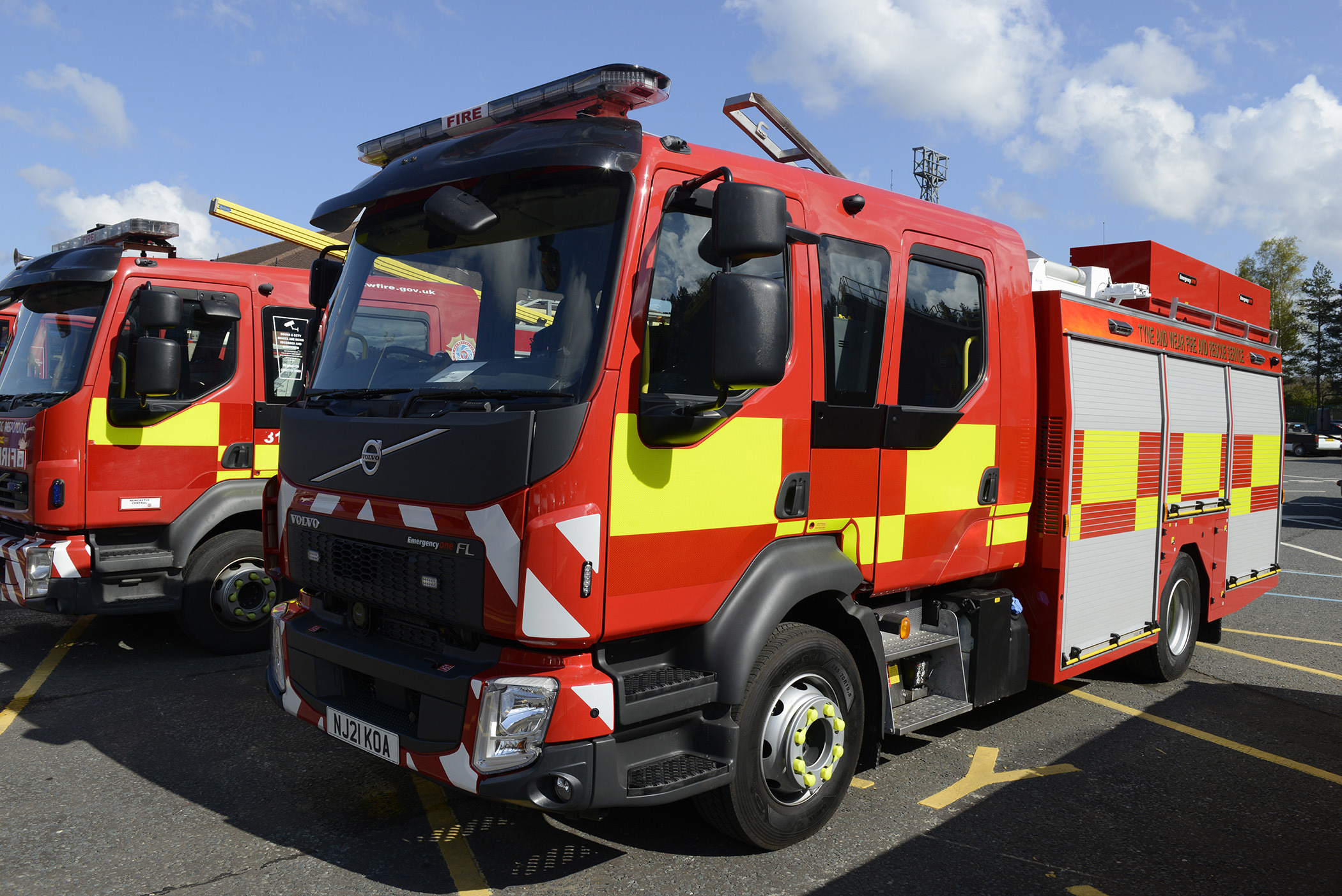
Fire brigade chiefs stressed work is taking place to tackle deliberate fires across the Tyne and Wear region after the latest figures showed incidents rose by a third compared to the previous year.
A Tyne and Wear Fire and Rescue Service report outlined how from 1 April, 2025 to 30 September, 2025 they recorded 3,610 deliberate fires, up around 33% from 2,709 during the same period 12 months prior.
It is also higher than the 2,734 deliberate incidents registered in the period in 2023/2024, according to figures which went to the latest meeting of the fire authority’s policy and performance committee.
The report outlined how all districts across the fire service area recorded more deliberate blazes than during the same period the previous year.
Sunderland was the region with the highest number of deliberate fires during the six month spell in 2025/26 with 1,130 incidents, an increase of around 54% compared to the 732 previous year.
Newcastle saw the second highest level of deliberate fires with 904 recorded, up around 30% from 695 in 2024/25, followed by Gateshead, with 629, which also increased by around 54% from 408.
South Tyneside saw a small rise in the number of incidents, with 538 recorded compared to 507 the previous year, while North Tyneside saw an increase from 367 incidents in 2024/25 to 409 in 2025/26.
Reports from fire services bosses noted deliberate fires are an “ongoing concern” and it is an issue which has therefore “been a focus of prevention and education work” with partner agencies.
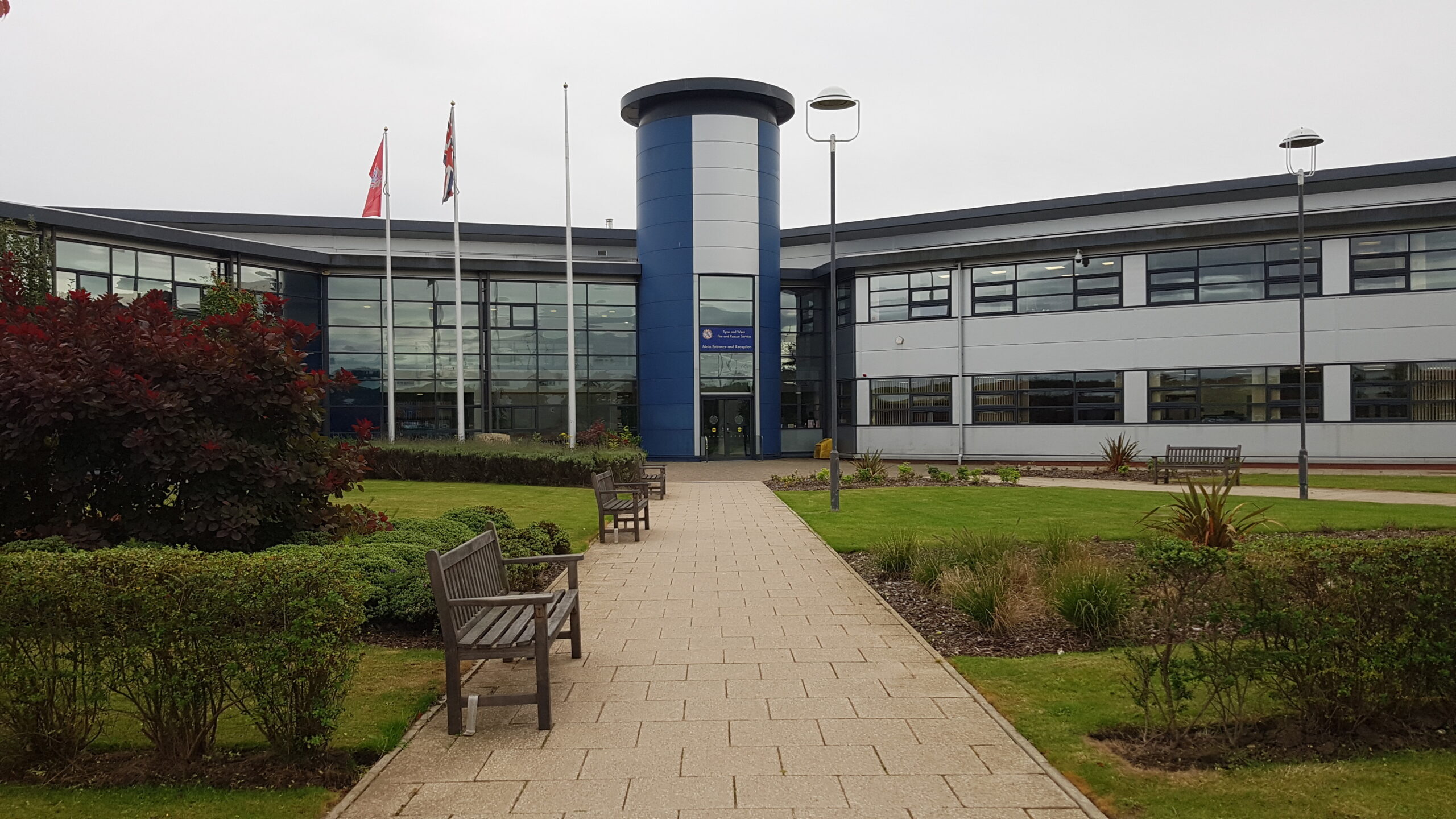
Image: LDRS
In Sunderland there has been a localised plan put in place to carry out initiatives, including identifying hotspot areas and carrying out coordinated actions within the zones in question – which has led to positive results.
Work included walkabouts engaging with local youths and the community, additional patrols by police neighbourhood teams, positive action and intelligence gathering on anti-social behaviour from council officers, along with work to tackle fly-tipping.
In South Tyneside similar successful action has been taken to tackle issues in the Cleadon Park and Beacon and Bents wards.
Another example of steps to tackle such blazes includes work in the Arthur’s Hill area of Newcastle following an increase in secondary fires, which led to a day of action taking place and incidents declining.
In total across Tyne and Wear 87% of deliberate blazes over the period were classed as secondary fires, which are small outdoor fires not involving property, while 13% were primary fires, which are larger incidents which cause damage to a person or property.
The most common type of deliberate fire across Tyne and Wear was those involving grass, woodland and crops, which accounted for 1,467 of the recorded blazes, followed by other outdoor incidents, including land, with 1,007.
Meanwhile there were 677 deliberate fires involving outdoor structures and 200 involving cars.


