

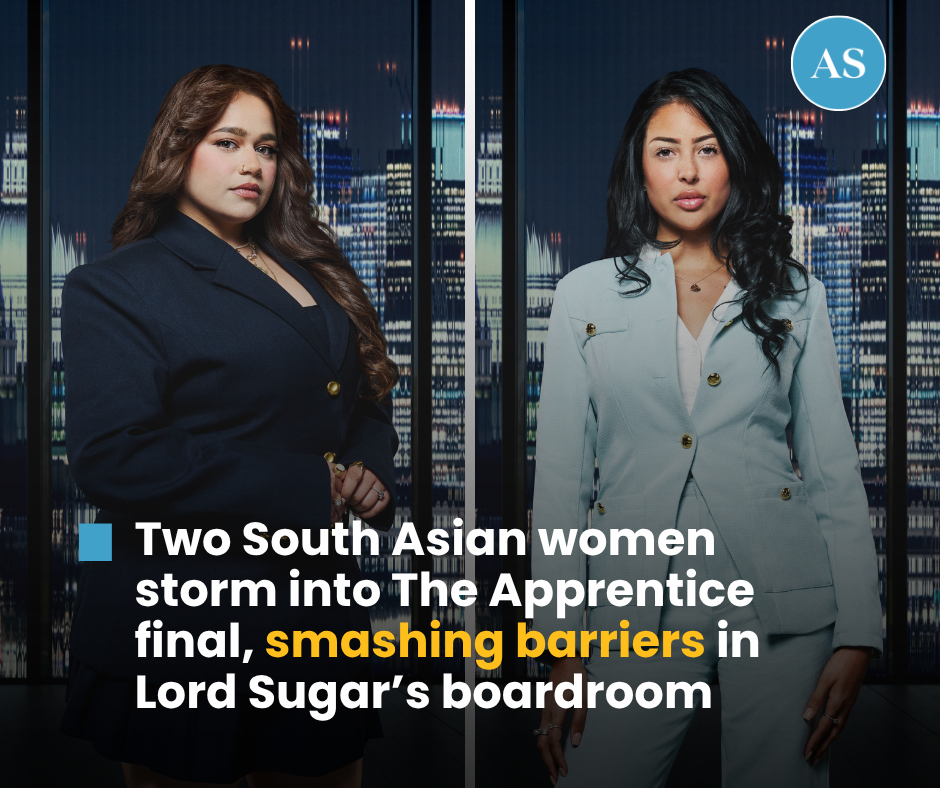
Two women of South Asian heritage have secured their place in the final of The Apprentice 2026, marking a powerful moment of representation as they prepare to face Lord Alan Sugar in one of television’s toughest boardrooms.
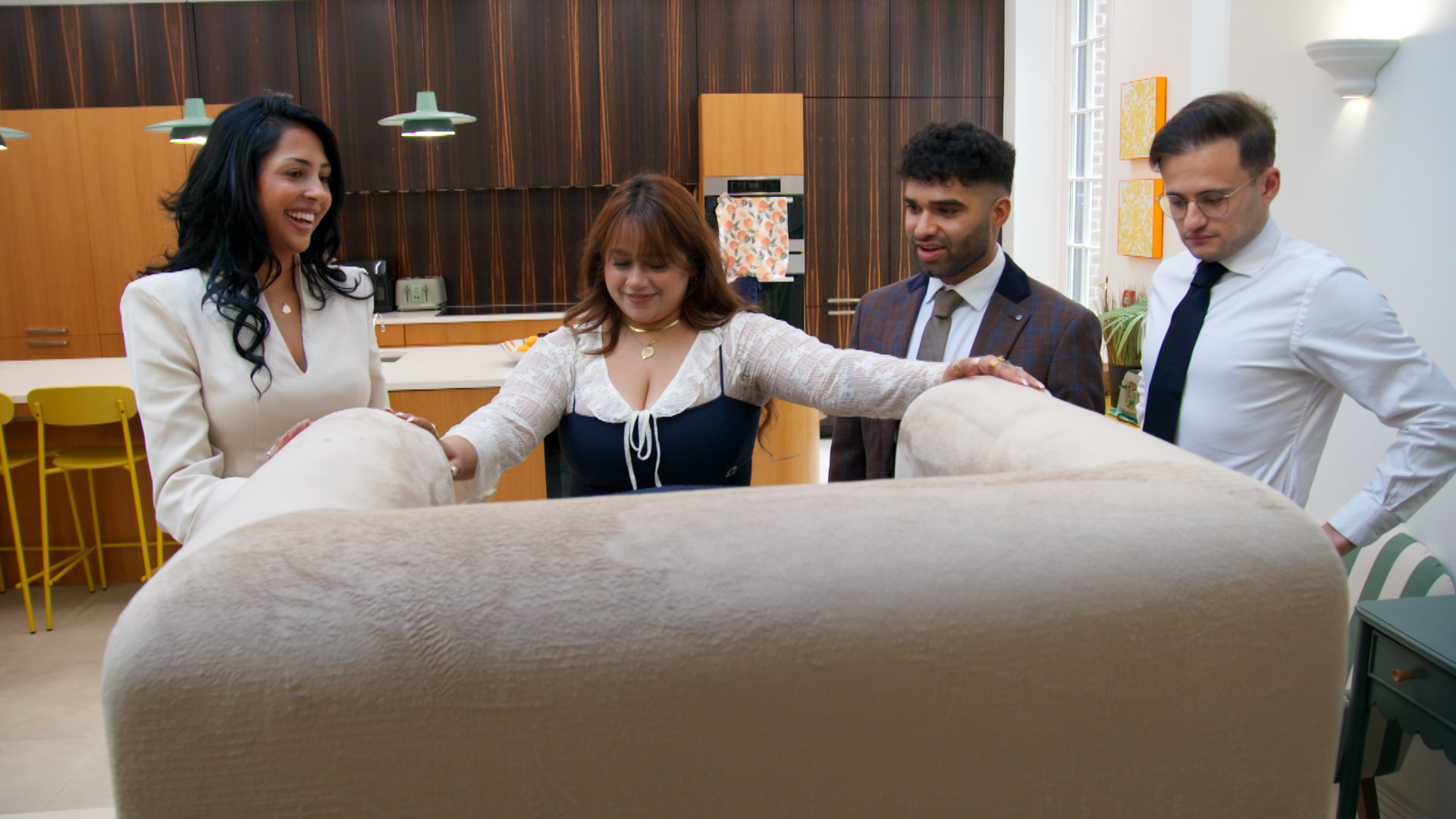
After 10 demanding tasks and a bruising interview stage, finalists Karishma Vijay and Pascha Myhill emerged as the last candidates standing, an outcome that has not only surprised viewers but also signalled a significant cultural milestone.
For many, seeing two brown women reach the pinnacle of the competition is about more than business acumen, it is about visibility, progress and rewriting long-standing narratives around who gets to lead, succeed and be taken seriously at the highest level.
Breaking barriers on primetime television
In a series often defined by high-pressure negotiations, sharp decision-making and relentless scrutiny, both finalists have demonstrated resilience and determination, qualities that have seen them outlast a competitive field.
Their success carries particular weight for South Asian communities, where representation of women in mainstream business spaces,
especially on national television, has historically been limited.
Now, millions of viewers are watching two women of colour not just participate but dominate.
Karishma Vijay: Beauty boss with a bold vision
At 28, Karishma Vijay has emerged as the frontrunner following a strong showing during the interview, where candidates faced intense questioning from some of Lord Sugar’s most trusted advisers.
Founder of skincare brand Kishkin, she impressed industry heavyweights including Claudine Collins, Mike Soutar, Linda Plant and Claude Littner, holding her own under sustained pressure.
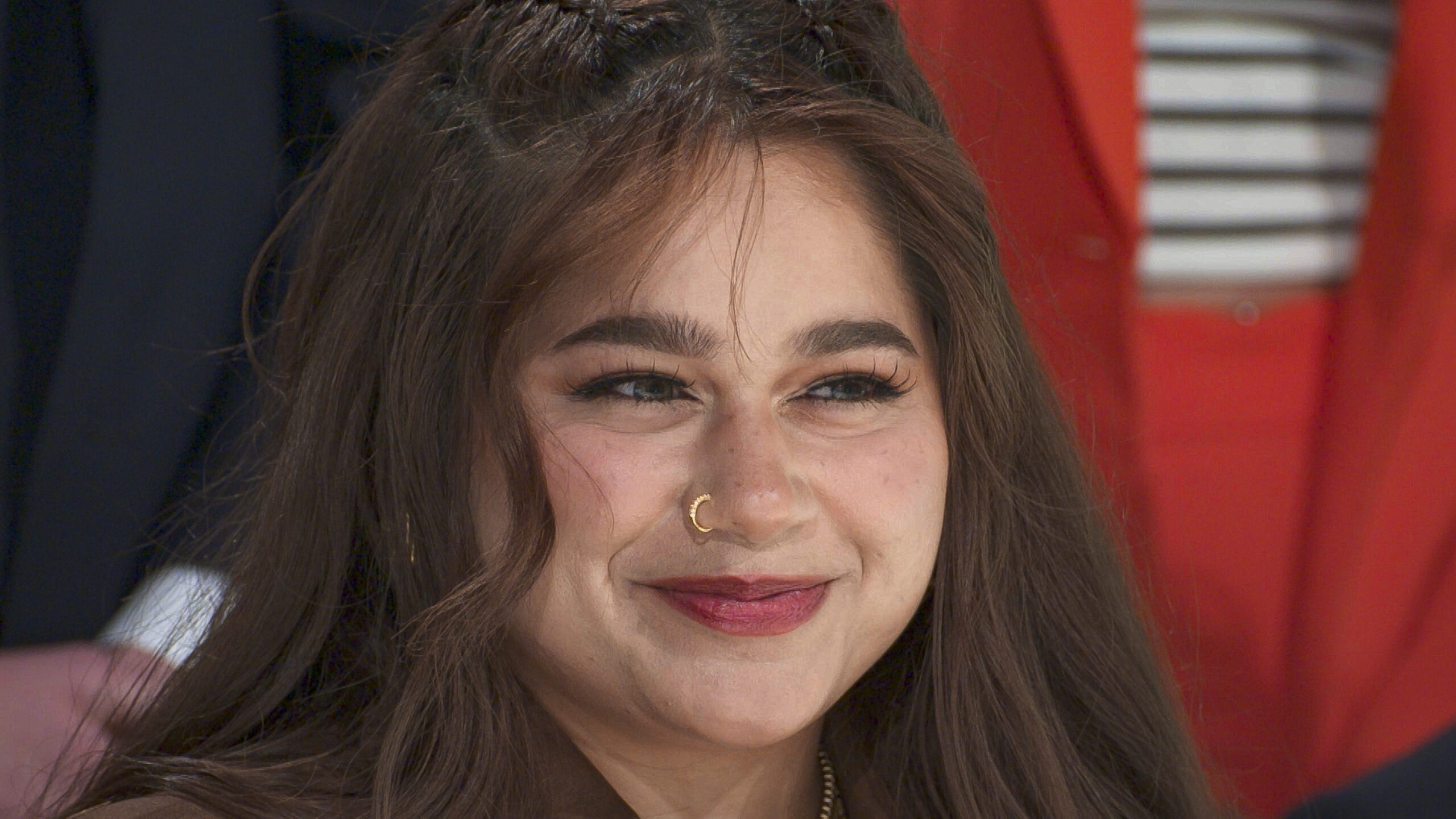
Her journey has also resonated on a personal level. Sharing a childhood photo with her father on social media, she wrote: “Papa, this one’s for you” a moment that struck a chord with her 850,000 followers and highlighted the role of family, heritage and sacrifice behind her success.
Pascha Myhill: The underdog rewriting the narrative
In contrast, 22-year-old Pascha Myhill has been the surprise contender of the series.
The Reading-based entrepreneur, who is seeking investment for her private healthcare recruitment business, faced early criticism, particularly around her understanding of financial fundamentals and the depth of her business plan.
But what she may have lacked in polish, she has made up for in grit.
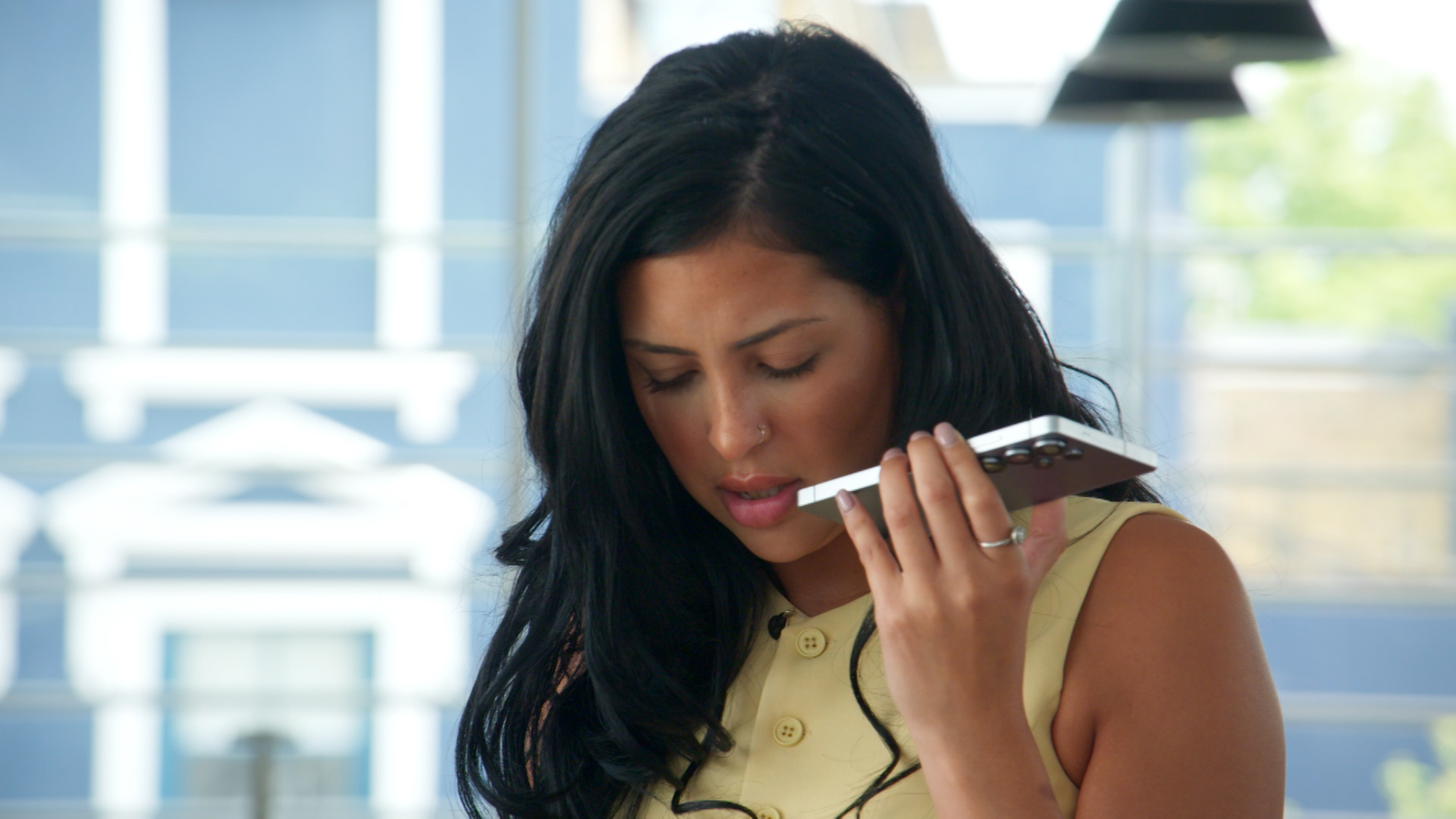
Reflecting on her journey, she said: “This journey has pushed me in ways I never expected… long days, intense challenges, and plenty of moments that tested every bit of resilience I’ve got… but I wouldn’t change a second of it.”
Her rise to the final underscores a broader narrative: that success is not always linear, and determination can be just as powerful as experience.
A brutal boardroom clears the path
The road to the final was far from easy. The interview stage proved unforgiving, with candidates’ business plans dissected in detail.
Priyesh Bathia was the first to be dismissed, followed by PR professional Lawrence Rosenberg, whose ambitious funding ask raised eyebrows.
However, the biggest shock came with the firing of Dan Miller, widely tipped as a favourite, after concerns were raised about the financial health of his business.
With the field narrowed, the spotlight now firmly rests on the final two.
A defining moment for representation
An all-female final is notable in itself, but the presence of two South Asian women elevates this moment further.
For young brown women watching from living rooms across the UK, this is more than entertainment. It is a reflection of possibility.
It challenges outdated perceptions, disrupts stereotypes, and reinforces that talent, ambition and leadership know no boundaries of race or background.
As the final approaches, one thing is certain, regardless of who secures Lord Sugar’s investment, both finalists have already made their mark.
They have not just reached the boardroom. They have redefined who belongs in it.


