

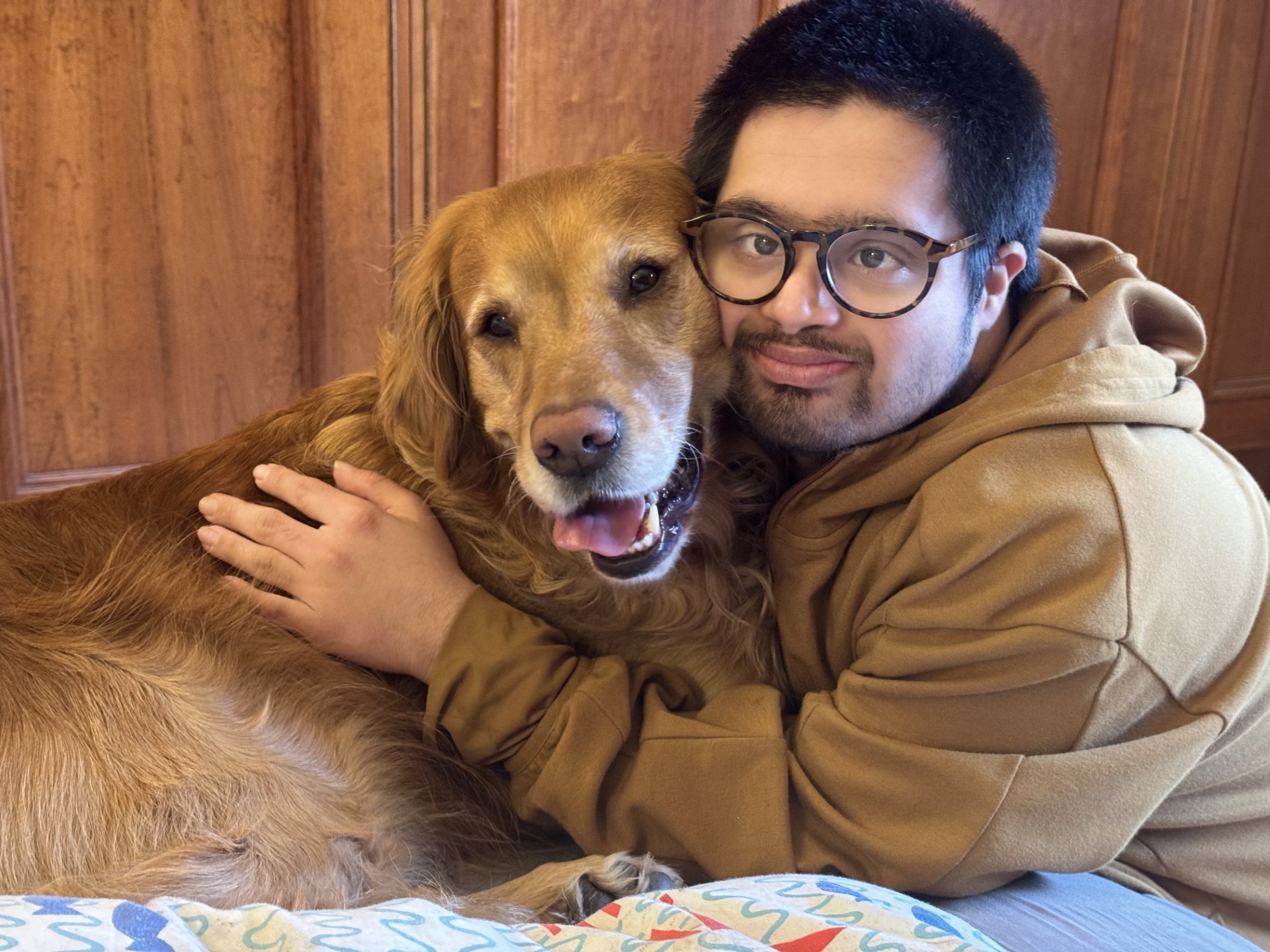
For most of his life, helping other people came naturally to Eashan Madan.
Whether volunteering at a food bank during the pandemic, working at Sheffield Railway Station, performing as a DJ, or simply making time for friends, his family say kindness was never something he switched on for special occasions.
“It was simply who he was,” his mother, Dr Suvira Madan, says.
So when Eashan died aged 27 after complications following surgery for a rare heart condition last year, his final act reflected the kindness he was known for.
He decided to give others life by donating his organs. His kidneys saved the lives of two women in their 20s and 30s. His liver gave a man in his 40s a second chance at life. His pancreas was donated for research that could help future patients.
Now, as Suvira and Sanjeev prepare to attend this year’s Westfield Health British Transplant Games, happening from 31 July, his parents hope that Eashan’s story can encourage Asian families to have conversations about organ donation long before they are ever needed.
Organ donation never felt like choice to him
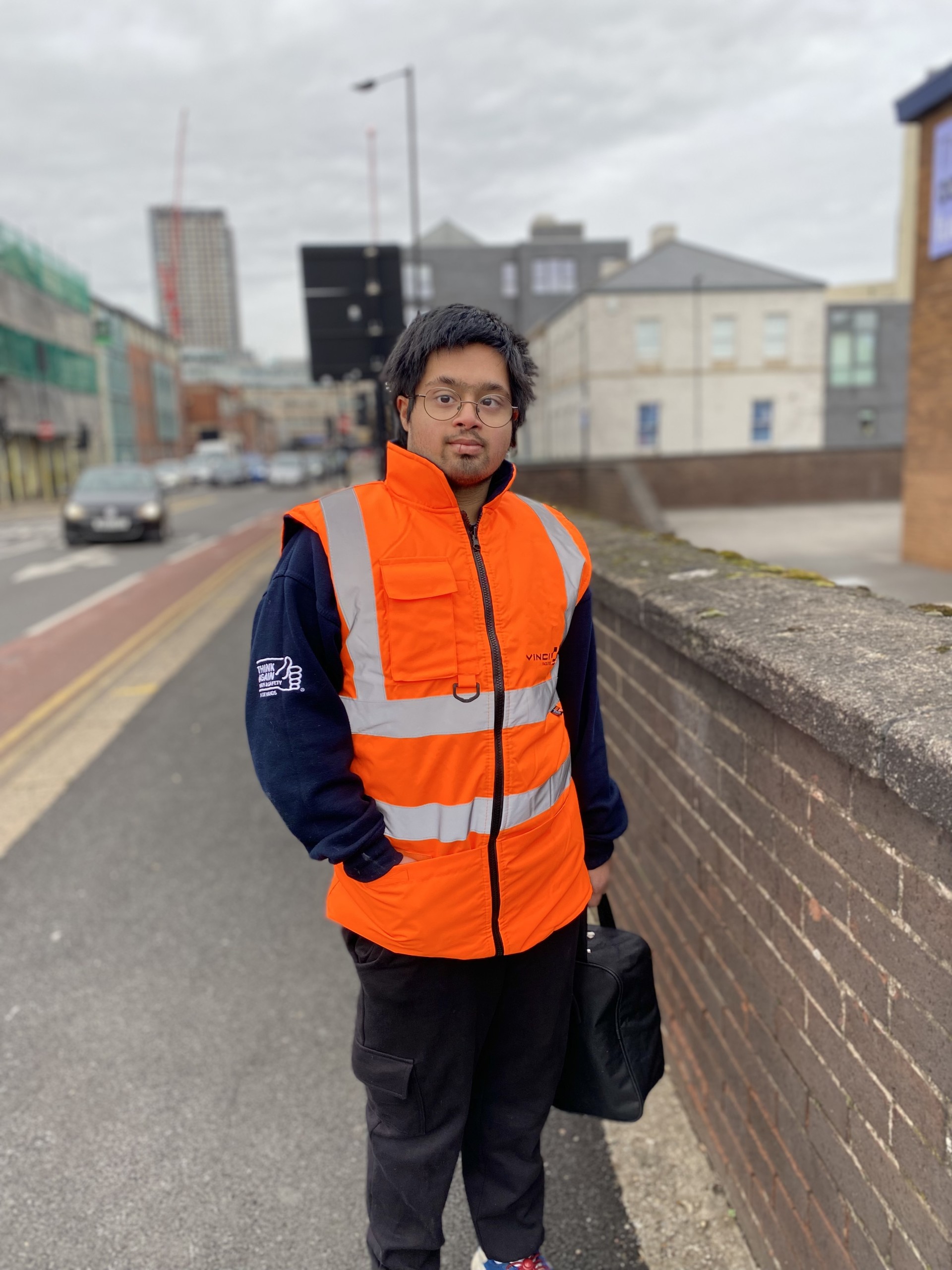
In 2018, Eashan registered on the NHS Organ Donor Register. He was already going through difficult times living with Down’s syndrome.
His parents, both hospital consultants in Sheffield, say that he was always determined about what he wanted to do.
“Eashan was very open with us about his willingness to donate his organs if anything ever happened to him, so there was never a second thought when we were asked the question about organ donation at what was such a traumatic time,” said Dr Suvira Madan.
While the loss of Eashan has deeply affected his parents, it is his selflessness that they find comfort in.
“We take enormous comfort from the fact that his selflessness and desire to help others lives on in the people whose lives he saved.”
A life that challenged assumptions
It is common for people to think that disabled people are incapable of donating organs.
However, Eashan’s life has proved them wrong and definitely challenges the way people perceive disability.
He had Down’s syndrome, but he never let that define his life. Full of compassion, his independent life has broken the perception of disability being in shackles.
He served twice on his school council, completed his Silver Duke of Edinburgh Award, gained qualifications in maths, English and catering, worked at Sheffield Railway Station and Chatsworth House, volunteered during Covid, created animated films, played in a band, and regularly DJed at Sheffield’s Leadmill music venue.
With support from the Down’s Syndrome Association’s WorkFit programme, he worked at Sheffield Railway Station and the Carriage House Café in Chatsworth. During the Covid pandemic, he volunteered at a local food bank, further underlining the generosity that defined him.
His father, orthopaedic surgeon Dr Sanjeev Madan, believes those achievements matter just as much as his final gift.
“Adults with Down’s syndrome can lead independent lives and contribute meaningfully to society,” he said.
“Nothing ever stood in his way… We also want people to understand that disability is no barrier to organ donation and the ability to give life to others.”
A conversation that could save lives
For the Madan family, Eashan’s legacy extends beyond the three people whose lives he saved. But there is a bigger picture that they are trying to address.
Across the UK, demand for organ transplants remains at record levels, with more than 8,200 people currently waiting. Around a third of those waiting are from ethnic minority backgrounds, yet donation rates remain significantly lower among those communities. Asian and Black patients are around twice as likely to need a transplant but are much less likely to receive one because of the shortage of suitable donors.
Matching organs is often more successful when donor and recipient share similar ethnic backgrounds. This is the reason why ethnic communities sometimes have to wait more than six months to receive an organ compared with white people, who have to wait for a relatively shorter period of time.
“We feel it’s our duty to continue his legacy by urging more people, especially those in ethnic minority communities where there is such a critical need, to have open conversations about consenting to organ donation because this act of compassion, in life and death, can save and change so many lives,” believes his father.
For Suvira and Sanjeev, nothing will fill the space Eashan left behind. But knowing that a part of him lives on in others has brought comfort amid unimaginable loss and they hope his kindness will inspire many more families to say “yes” to organ donation.


