

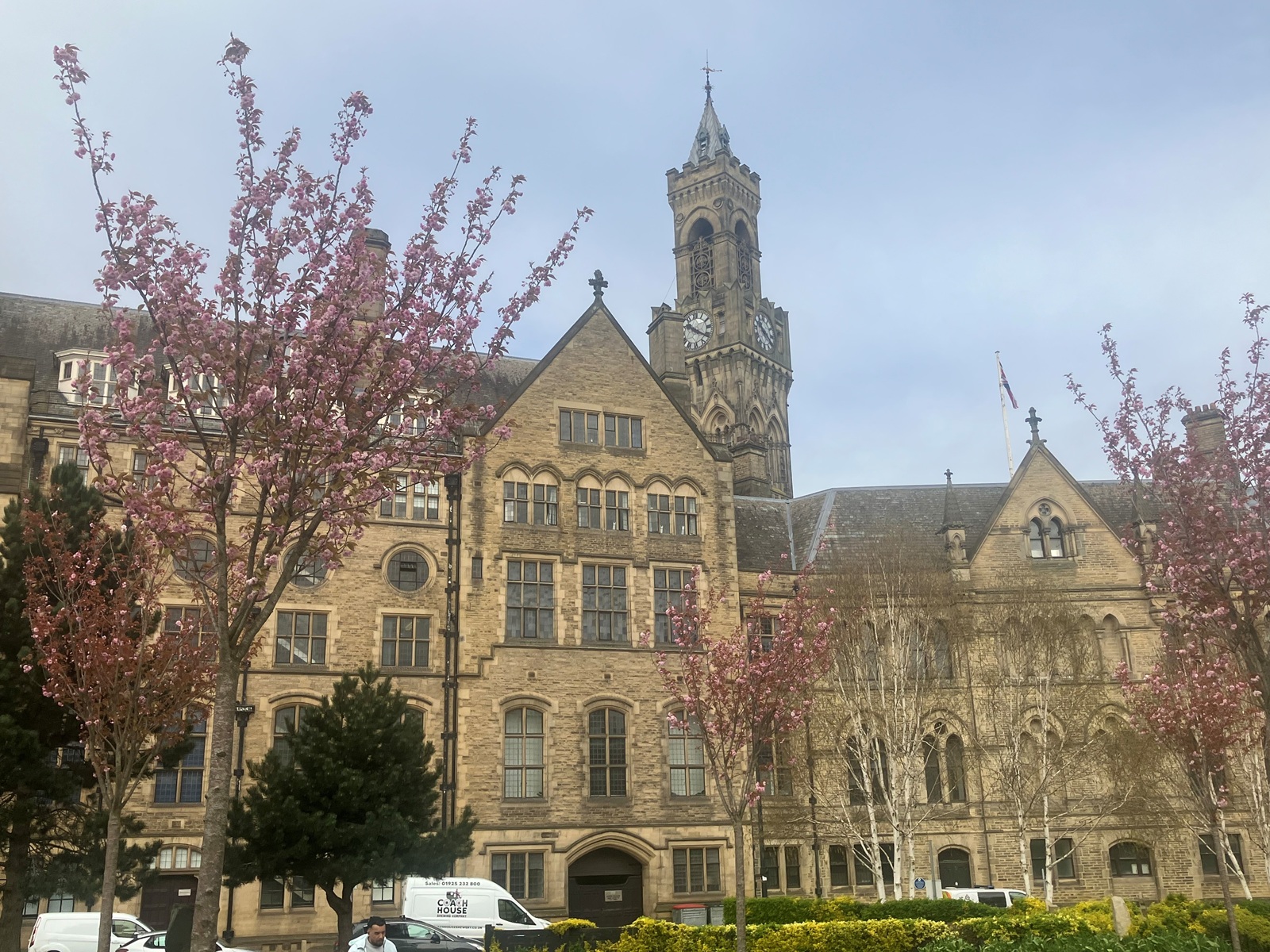
Bradford Council leader Stephen Place has ruled out freezing Council Tax next year, saying the authority’s financial recovery depends on future increases of 4.99%.
Speaking during his first Leader’s Report at last week’s full council meeting, the Reform UK leader said he would “love to reduce Council Tax” but insisted a freeze was not possible while the council remained under Exceptional Financial Support (EFS).
Bradford Council was forced to seek EFS from the Government in 2024 after warning it could no longer balance its budget.
The support allowed the authority to borrow money to fund day-to-day services, but came with strict conditions, including the sale of millions of pounds worth of financial assets to reduce borrowing and annual Council Tax increases.
The council had originally estimated it would require £570 million in EFS until 2030.
However, changes to Government funding announced in a recent financial settlement significantly increased Bradford’s central funding allocation, reducing the expected EFS requirement to £395 million and allowing the authority to exit the programme in 2028, two years earlier than planned.
Last month, members of the council’s Governance and Audit Committee were told the improved financial outlook was based on the assumption that Council Tax would continue to rise by 4.99% in future years.
During last week’s meeting, Labour cllr Suhail Choudhry questioned whether the improved financial position meant residents could expect a Council Tax freeze.
He asked: “Given that we will be coming out of exceptional financial support two years early, and given that we have been given a significant increase in funding from the Labour Government, will you be proposing a 0% increase in Council Tax over the next two years, and what cuts will you be making to balance the books?”
Cllr Place replied: “I would love to reduce Council Tax, we all would wouldn’t we? But unfortunately under the EFS (Exceptional Financial Support) we’re not allowed to. It wouldn’t work, it’s not going to happen.”
“We’re coming out of EFS two years early, that is a really good signal for us that things can get better and things can improve, and at budget time rather than go against each other all the time, if we come together and work on a budget, that would be marvellous.”
His appeal for cross-party cooperation reflects Reform UK’s position in the council chamber. The party currently holds 28 of the council’s 90 seats, meaning any future budget will require support from opposition councillors to secure the 46 votes needed for approval.
The authority’s 2027/28 budget will therefore require backing beyond Reform’s own group if it is to pass.


