

What began with an examination controversy and a satirical name has become something few could have predicted: one of the most consequential youth protest movements India has witnessed in years.
The Cockroach Janta Party (CJP), driven largely by students and Gen Z Indians, has taken hundreds of thousands onto the streets, challenged the government of Prime Minister Narendra Modi, forced the resignation of Education Minister Dharmendra Pradhan and generated a wave of political conversation across India.
But the movement is no longer confined to India.
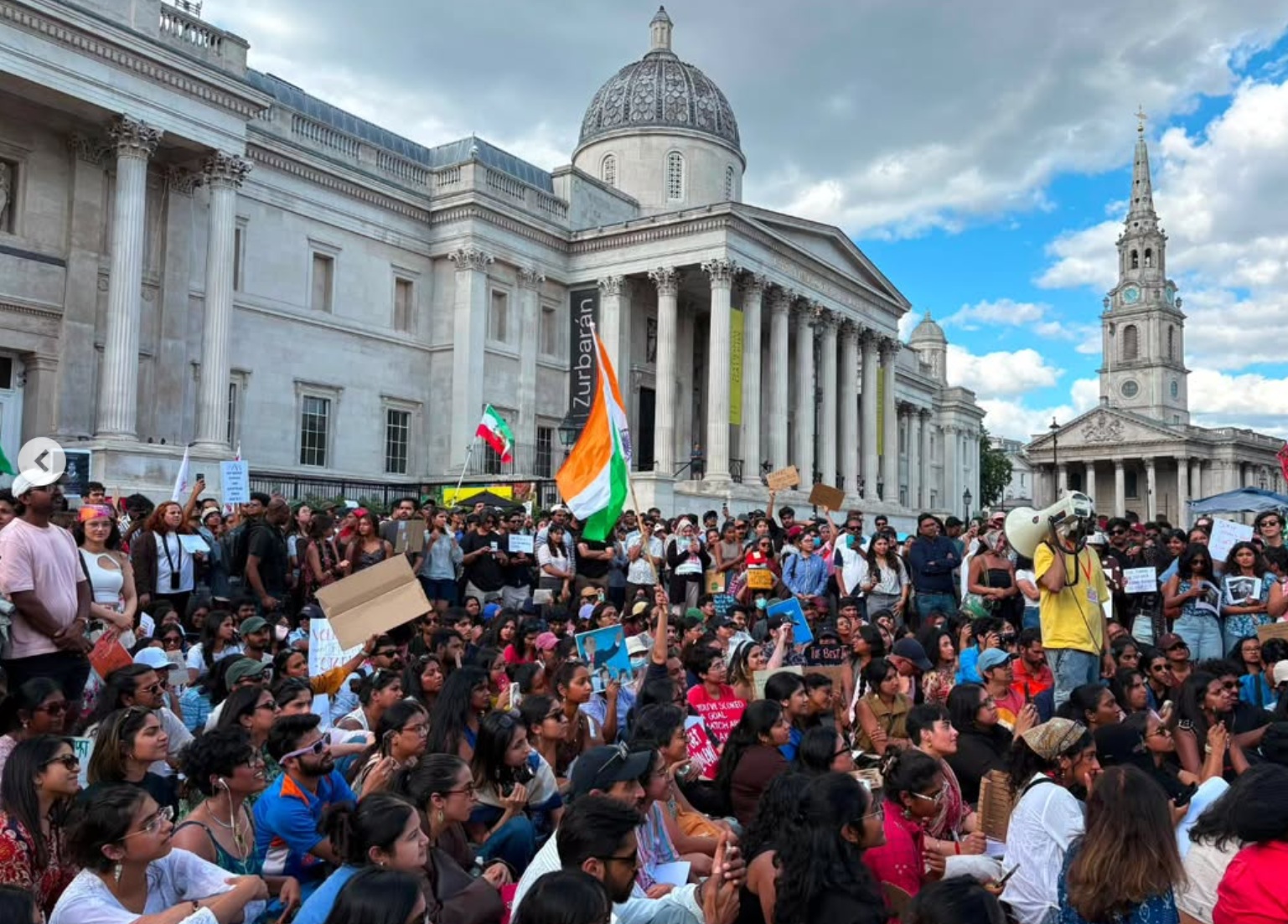
Thousands of miles away, young Indians and members of the diaspora have been gathering here in cities across the UK in solidarity.
Demonstrations were held in Manchester, Leeds and outside the Indian High Commission in London on 20 July, organised by the Student Federation of India UK (SFI UK), with gatherings also reported elsewhere in Britain.
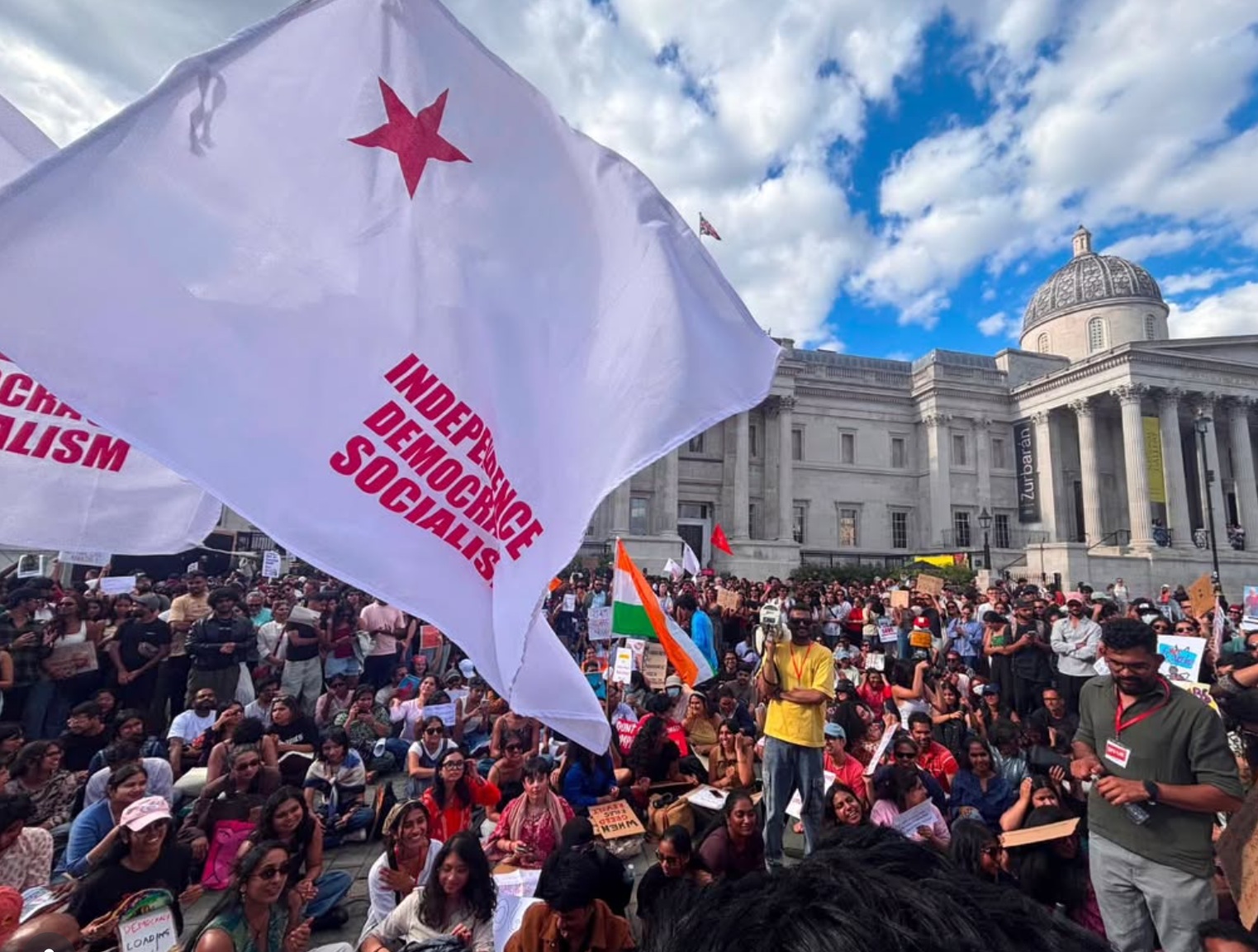
Last weekend, protesters returned to London, gathering in Trafalgar Square on Sunday 26 July, as well as across Leeds, Manchester and other parts of the country.
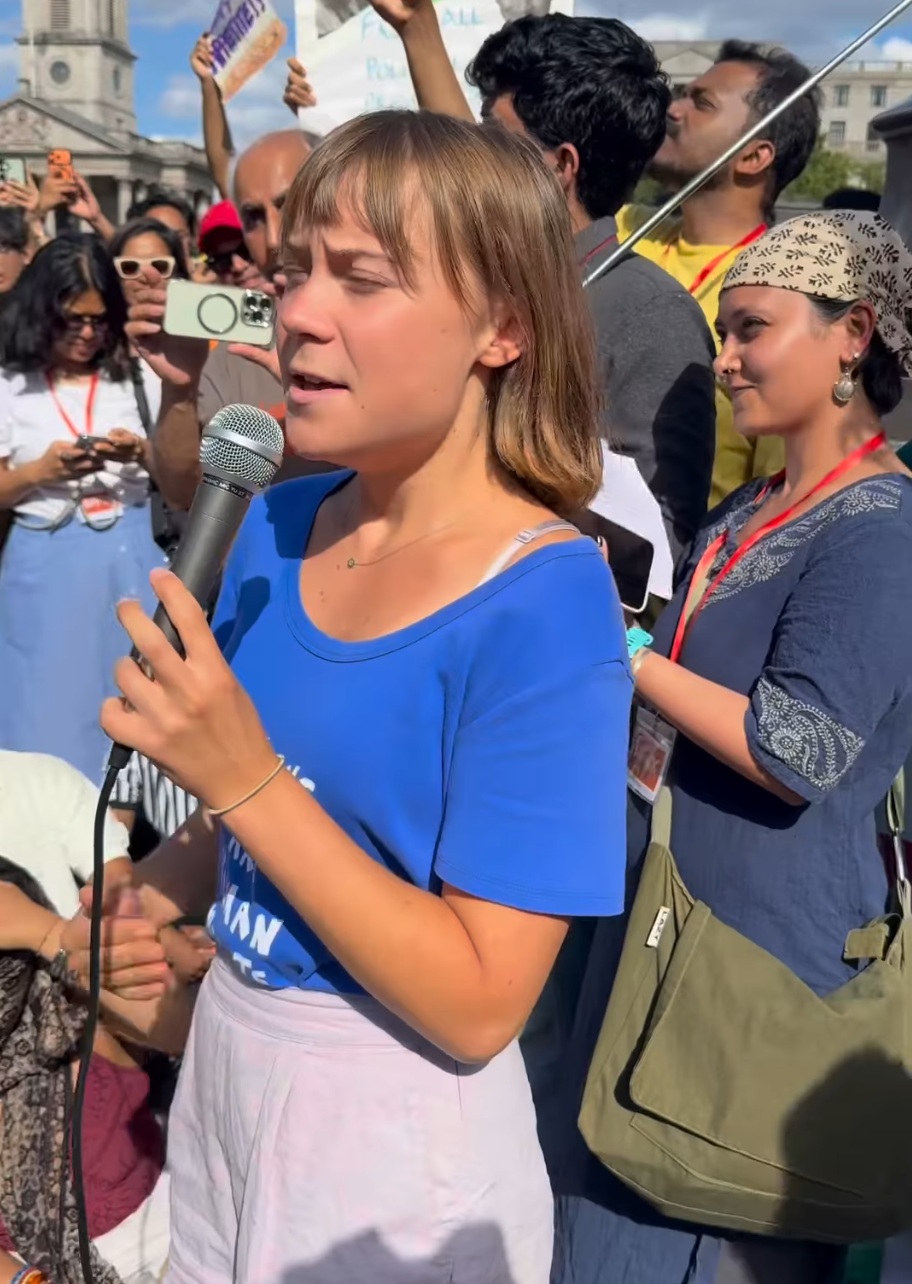
Among those joining them, at the London protest was climate activist Greta Thunberg, who told demonstrators that India’s students had given people hope and demonstrated what could be achieved when people came together and resisted.
Their struggle for justice and the wider fight for democracy and liberation, she argued, required international solidarity.
Her appearance represents another extraordinary development for a movement which only weeks ago was principally an Indian domestic story.
For Britain’s Indian diaspora, however, it raises another question.
What exactly are they watching happen in India?
From examination anger to a national movement
The CJP emerged amid outrage over alleged irregularities surrounding India’s NEET examination, the national entrance test used for medical education.
Millions of young Indians compete through an education system in which examinations can determine not simply university places but careers, income and family aspirations.
When allegations emerged that an examination paper had been compromised, the anger therefore went far beyond the mechanics of having to sit another test.
For students who had spent years preparing, it became a question of fairness and whether India’s institutions could be trusted to protect
merit.
That anger intensified amid reports of student suicides associated with the crisis.
The CJP transformed the frustration into protest.
What initially looked like an irreverent online movement, complete with cockroach imagery, satire, memes and ridicule of India’s political establishment moved onto the streets.
Then came 20 July.
Tens of thousands joined the “Chalo Sansad”, or March to Parliament, in New Delhi. Police used tear gas and batons as demonstrations escalated, while injuries were reported among protesters and police.
Images spread rapidly online.
And something important happened: instead of weakening the movement, the confrontation amplified it.
Where were India’s biggest stars?
The protests also triggered an uncomfortable debate around India’s celebrity culture.
Some of Bollywood and cricket’s biggest names faced fierce criticism for remaining silent while the young audiences who watch their films, buy the products they endorse and follow them online were protesting on the streets.
The criticism became particularly potent because many celebrities have previously spoken about international humanitarian and social issues.
Protesters asked why similar voices appeared more cautious when the issue involved their own government.
Some eventually spoke.
Actors such as Shabana Azmi, Imran Khan, Huma Qureshi, Prakash Raj and Jim Sarbh joined protesters, while Naseeruddin Shah criticised Bollywood’s silence. Diljit Dosanjh, Sonakshi Sinha, Aditi Rao Hydari and Pooja Bhatt were among figures expressing solidarity with the movement.
Others were criticised for responses protesters considered overly cautious or non-committal.
The controversy points towards a deeper question about modern India: how freely can its most influential cultural figures criticise those in power?
For actors, particularly those who have previously faced boycotts, trolling or political campaigns, speaking out can carry commercial consequences.
Yet protesters have effectively turned that argument around: if fame provides influence, does it also carry a responsibility to use it?
The defining moment came when Pradhan resigned.
His departure represented far more than the loss of an education minister. He was a longstanding Modi loyalist and his resignation followed sustained pressure from outside India’s traditional political establishment.
The CJP subsequently called off its five-week agitation after the government accepted key demands, while Modi announced a taskforce on examination reforms.
That matters.
Modi has dominated Indian politics since 2014 and built an image of political authority that has survived elections, opposition campaigns and mass demonstrations.
Yet this time, a youth movement secured a tangible concession.
Political analysts are therefore examining whether something more fundamental has shifted.
For perhaps the first time in years, the government appeared to lose control not merely of the streets, but of the narrative surrounding them.
The CJP did not depend upon India’s established political parties or traditional television networks to build its audience.
Its battlefield was the smartphone.
Memes, reels, videos and satire flooded social media, allowing protesters to communicate directly with millions of Indians.
Attempts to dismiss or discredit the movement were themselves turned into content.
That represents a potentially significant challenge for any government accustomed to fighting political battles through conventional media.
Analysis following Pradhan’s resignation has suggested the protests temporarily disrupted the BJP’s formidable ability to dominate India’s political narrative, while also reinvigorating an opposition that had struggled to find momentum.
Reuters Breakingviews has meanwhile linked the unrest to a deeper economic challenge facing India: whether the country can provide sufficient opportunity for its enormous young population.
Because underneath the anger about examinations sits something larger.
Jobs. Wages. Opportunity. Merit. And whether India’s young people believe the system is delivering for them.
Why Britain matters
That brings the story back to Trafalgar Square.
Britain’s relationship with India is not merely diplomatic. It is personal.
Millions of people here have family, cultural, business and emotional connections with India. Younger British Indians can watch events in Delhi unfold instantaneously while judging them through their own experiences of democracy, protest and political accountability in Britain.
That makes the emergence of UK solidarity particularly significant.
The movement has also begun attracting support beyond the Indian diaspora.
Former Labour leader and Islington North MP Jeremy Corbyn publicly condemned the police response to protesters in India and sent a message of solidarity to the CJP victory gathering in Trafalgar Square on 26 July.
Climate activist Greta Thunberg went further, appearing at the London gathering organised by the Students’ Federation of India and praising the movement as an example of what can happen when people come together and resist.
“The Indian Student Protest has made us all proud,” Thunberg told the gathering, adding that the movement had demonstrated “the true meaning of people power”.
The presence of Thunberg and support from a senior British political figure such as Corbyn mark an important evolution in the movement.
What began as anger among Indian students over an examination scandal has crossed borders and entered Britain’s political and activist conversation.
It does not mean Britain’s Indian diaspora speaks with one political voice. Far from it. Nor should international support be allowed to obscure the fact that this remains a movement led by young Indians over grievances rooted in India.
But it demonstrates how quickly political conversations in India can now travel beyond its borders, particularly when millions of people across the diaspora remain connected to the country socially, culturally and digitally.
For British Indians, that presents an interesting question: when young people in India challenge their government over accountability, democracy and their future, how should those watching from Britain respond?
A warning for Modi – or something bigger?
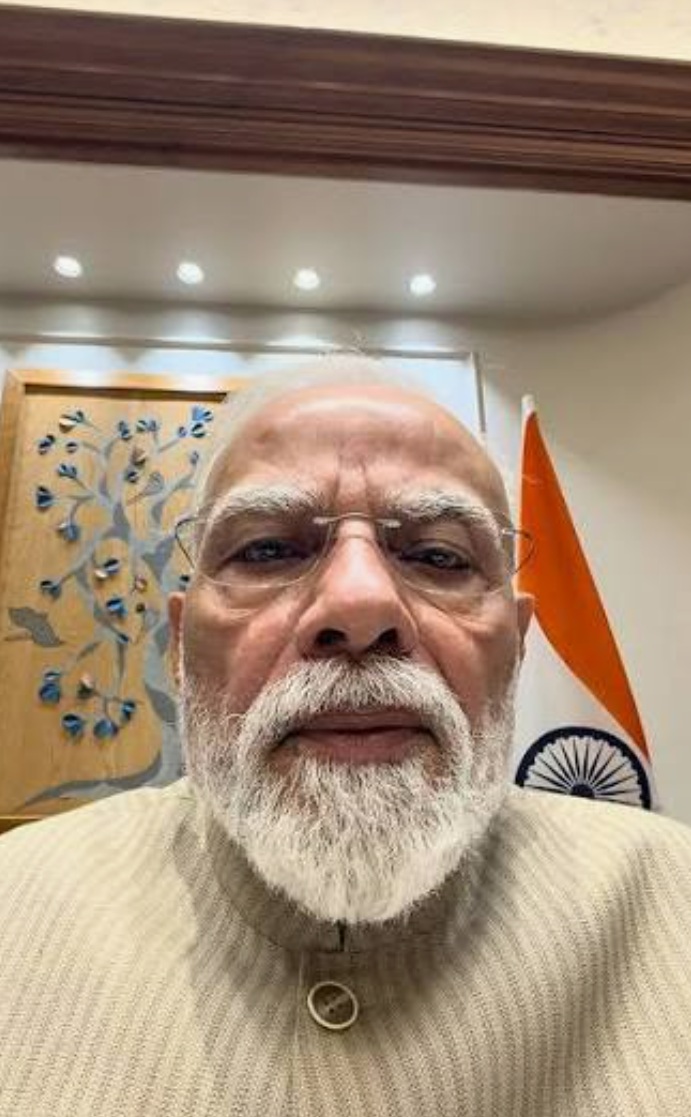
It would be premature to describe the CJP movement as an existential threat to Modi.
The BJP remains India’s dominant political force, and one ministerial resignation does not overturn more than a decade of political power.
But something has changed.
Young protesters demanded accountability and, eventually, got it.
They demonstrated that social media could circumvent traditional political communication. They drew India’s celebrities into a debate many appeared reluctant to enter. They revived opposition activism. And they took a movement born from examination anger from Delhi to the streets of Britain.
The next question is whether the Cockroach movement disappears having secured its immediate victory, or whether it has awakened something much harder to contain.
CJP figures are already encouraging greater youth participation in politics, arguing that India’s younger generations need political representation capable of understanding their concerns.
For British Indians watching from thousands of miles away, perhaps that is the most important part of this story.
This is no longer simply about a leaked examination paper.
It is about what happens when young people stop believing they have to accept the system they inherited and discover that they may have the power to change it.


