

Ministers are being urged to hand Transport for London (TfL) full control over driverless taxi trials, amid concerns the Government is overriding the capital’s devolved transport powers.
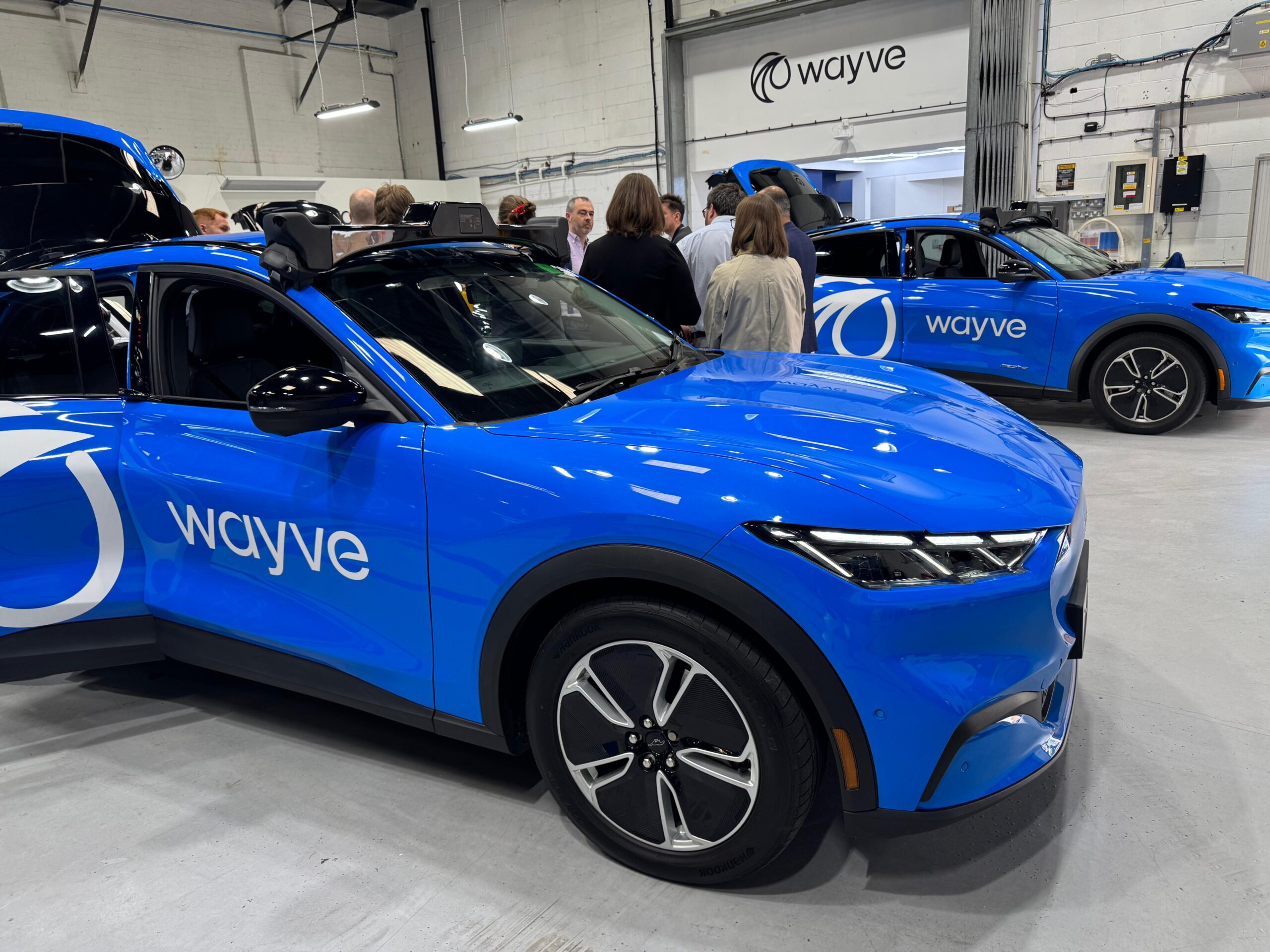
The call comes as several firms, including Uber and Wayve, seek approval to begin transporting passengers in autonomous vehicles in London this year, while Waymo is already testing a fleet of 100 vehicles on the city’s roads.
The Department for Transport (DfT) announced last year that it would fast-track trials of small-scale driverless taxi and bus-style services without a safety driver in 2026, ahead of a wider rollout expected in 2027.
With London likely to be the first city where so-called “robotaxis” operate commercially, London Assembly Transport Committee chair Caroline Russell has argued that TfL should be given greater authority over the technology. She said the Government appeared to have “stepped in on London’s devolved powers”, adding that driverless vehicle trials were currently being authorised by ministers without TfL having any say. The regulation of all of this is being controlled by the Government when TfL should have a licensing role in this,” she said.
“We’re all a bit surprised because this is a new technology, but the Government has been controlling these trials and giving permission for the trials without TfL having any say.
“They really should have a say in how the regulation works, what kind of data the companies have, and the rules around the way the vehicles work. There’s all sorts of issues around that London’s got to get on top of before anything gets unleashed on our streets.”
Under current arrangements, the DfT authorises driverless vehicle trials on public roads, while any commercial passenger service would also require TfL’s consent through an Automated Passenger Services permit.
TfL Commissioner Andy Lord has previously warned there is a risk the Government could undermine London’s devolved transport powers.
Speaking to the London Assembly’s Transport Committee earlier this year, he said TfL wanted to ensure any rollout did not cut across the Mayor’s responsibilities for managing London’s transport network. “We need to be really clear that this doesn’t cut across London’s devolution powers,” he said.
“There is currently no trial involving TfL. The trials are around how autonomous vehicles drive on the roads. There’s no trial around any form of commercial use that I’m aware of, or that we’re involved with.”
The Government passed the Automated Vehicles Act in 2024, creating the legal framework for autonomous vehicles. The legislation makes approved operators, rather than drivers, legally responsible for collisions involving self-driving vehicles. The Act is due to be fully implemented during the second half of next year.
In May 2026, the DfT opened applications for companies wishing to operate self-driving taxi services across Britain.
Roads and Buses Minister Simon Lightwood described the technology as a “transformative opportunity” that could create thousands of jobs and boost the economy.
However, concerns have also been raised about the potential impact on taxi and private hire drivers, particularly in London.
TfL said it is already in discussions with several potential operators and is preparing guidance for companies interested in running autonomous services in the capital.
A TfL spokesperson said: “Safety is our top priority and any new passenger carrying service would need the appropriate regulatory approvals. Vehicles that have automated features would need to seek an Automated Passenger Services permit from the Government, as set out in the Automated Vehicles Act 2024.”
“Further legislation must set a high benchmark and consider the impact on all road users, and in London the rollout of automated vehicles must support the aims of the Mayor’s Transport Strategy, including reducing congestion and achieving Vision Zero.”
The spokesperson added that any modifications to licensed taxis or private hire vehicles would still require TfL approval, with passenger safety remaining the overriding priority.
A Department for Transport spokesperson said: “Permits for Automated Passenger Services to operate in London cannot be issued without TfL’s consent. This requirement was set out in the Automated Vehicles Act 2024, which was fully scrutinised by Parliament before becoming law.
“We continue to work closely with TfL ahead of any future pilots.”


