

In the pursuit of finding peace, people today often spend thousands on mindfulness sessions, yoga retreats and wellness programmes that promise to calm the mind and ease the pressures of modern life. Once that sense of peace is finally found, many are left wondering how different life might have been had they learnt these lessons as children rather than adults.
Perhaps that answer is beginning to emerge.
As schools across Britain continue searching for new ways to support children’s wellbeing alongside academic achievement, spirituality is quietly becoming part of the conversation. While many schools have introduced mindfulness and wellbeing sessions over the past decade, one education trust has gone further by making spiritual development part of everyday learning.
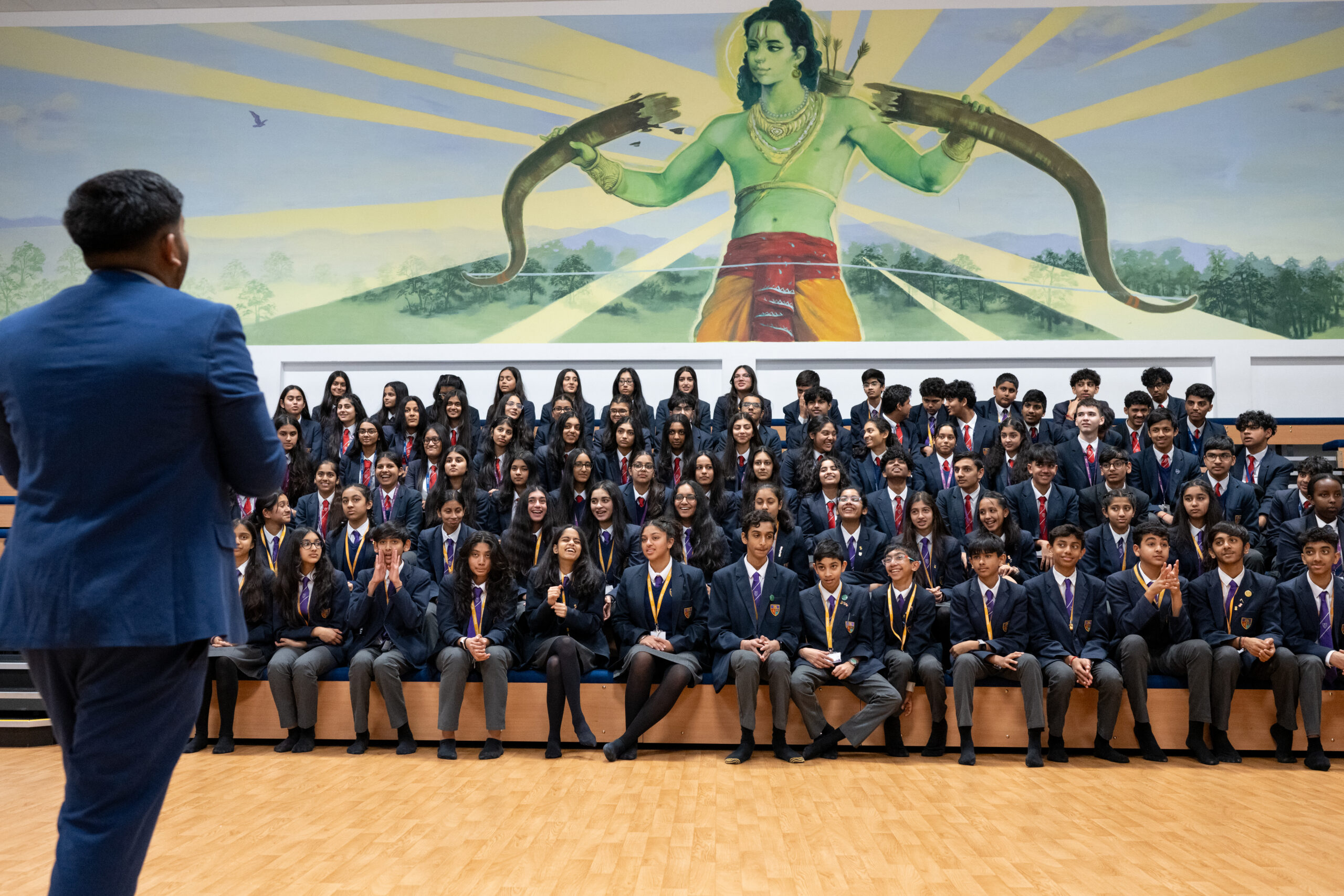
The Avanti Schools Trust, one of Britain’s largest Hindu-inspired multi-academy trusts, has built its educational philosophy around the idea that education should nurture the whole child, not just academic ability.
Its approach, known as the Avanti Way, combines the national curriculum with practices including yoga, meditation, mindfulness and Sanskrit. Rather than treating spirituality as a separate subject, it is woven into everyday school life through a framework known as the Tree of Life, which encourages pupils to grow intellectually, emotionally, physically and spiritually.
The concept is not entirely new. Across the UK, schools have increasingly adopted mindfulness programmes in response to growing concerns around children’s mental health. However, the introduction and positive reinforcement are different things. Avanti’s approach is distinctive because it integrates spiritual values throughout its curriculum instead of treating wellbeing as an additional activity.
That philosophy has now earned recognition beyond the classroom.
Alongside operating schools, Avanti has established itself as one of the country’s leading providers of teacher training and careers development. Its apprenticeship programme was recently recognised with a Multicultural Apprenticeship Award, acknowledging its work in helping students from diverse backgrounds access professional careers.
According to the trust, students have progressed into apprenticeship opportunities with organisations including Google, Deloitte, PwC and the BBC, while its teacher training pathways have helped hundreds of aspiring educators enter the profession.
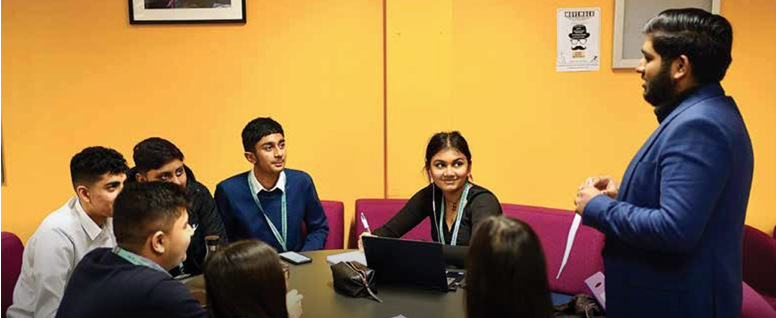
Simon Arnell, Principal of Avanti House, said preparing students for life after school was just as important as preparing them for examinations. “I am incredibly proud that Avanti House has been nominated and shortlisted for this very prestigious award. Enabling students to navigate the complex careers landscape is central to our work throughout the school.”
“The route towards apprenticeships is invaluable, and the careers team and staff at Avanti have worked tirelessly to create opportunities for students at all key stages. All students have been exposed to a wide array of professionals, from pilots to leaders in venture capital investment, and these encounters have empowered them to develop the soft skills that so many future employers are looking for. The students who have progressed onto apprenticeships are breaking barriers for our school and will go on to become the next generation of inspirational leaders.”
Students say the opportunities have changed how they think about their futures.
Reflecting on one of the school’s careers events, a Year 12 student said: “I have many more options than I had previously thought. Today’s visit opened up paths I didn’t know existed.”
For many educators, the debate is no longer whether schools should care about children’s wellbeing, but how they should approach it. Avanti’s model suggests that emotional resilience, self-awareness and academic excellence do not need to compete with one another. Instead, they can develop side by side.
Education shapes the mind. But when it fails to nurture what exists within us, finding clarity in the world becomes far more difficult. When the art of navigating life is overlooked in childhood, its absence often stays with people for years, quietly passing from one generation to the next.
Perhaps the real question has never been about examination scores, packed timetables or the race to academic success. Perhaps it is about helping children understand who they truly are at an age when education should offer not only knowledge, but wisdom. And when education is approached in such a way, it’s worth asking: If adults spend years searching for balance and inner peace, should schools begin teaching those lessons much earlier?


