

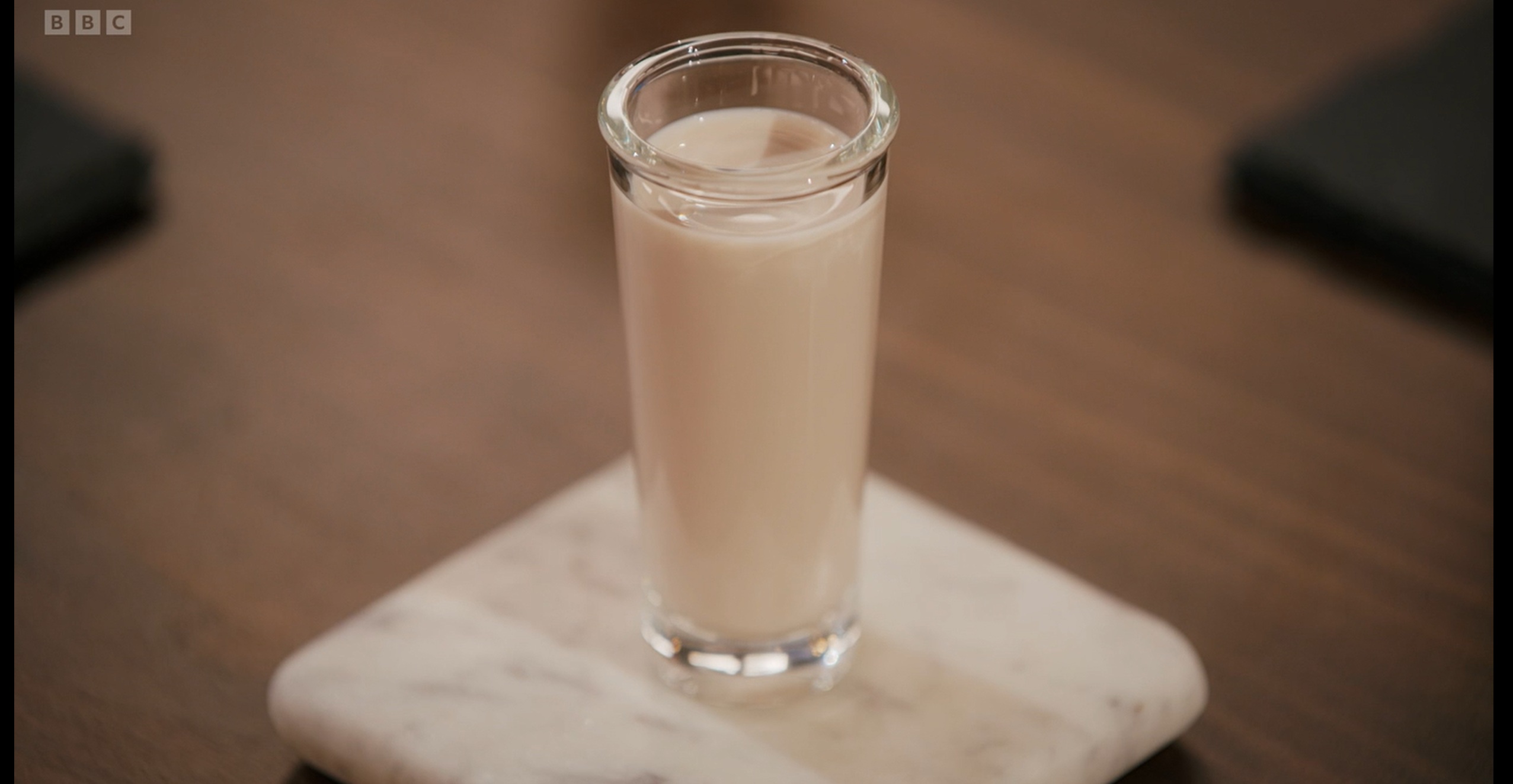
It is a drink made in millions of South Asian homes every day, but when Celebrity MasterChef asked a contestant to identify a glass of chai, some viewers were left questioning whether the programme itself knew what chai was supposed to be.
A blindfolded tasting challenge on Celebrity MasterChef UK has sparked a cultural food debate after one of the mystery drinks presented to contestants was identified by the programme as chai.
Celebrity contestant Sue Cleaver failed to recognise the drink, instead describing it as something resembling “cinnamon milkshake”.
But rather than laughing at the contestant for failing to recognise one of South Asia’s most familiar drinks, some viewers have come to her defence.
Their argument is simple: what appeared on screen did not look like the chai they know either.
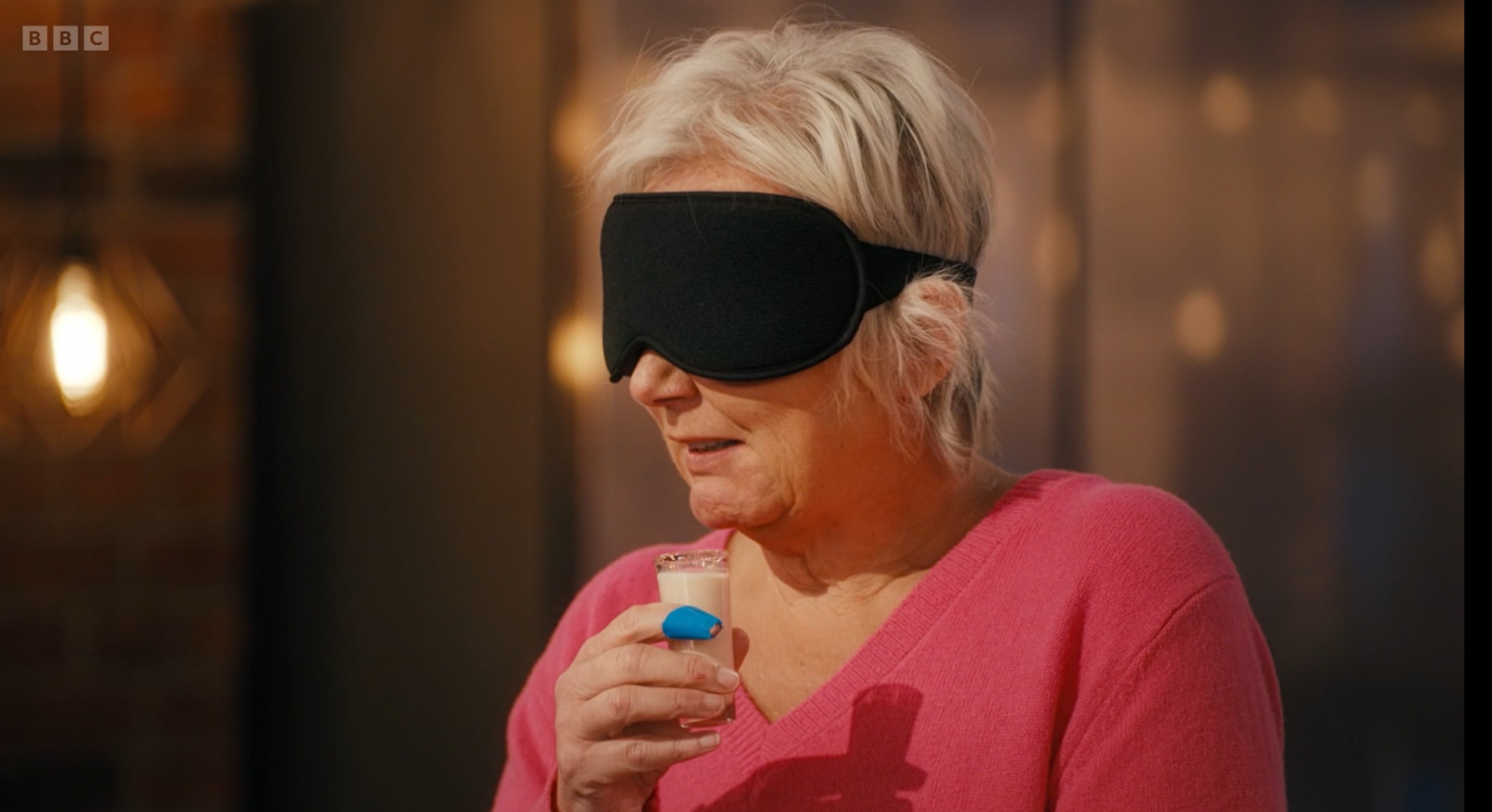
Clips from the episode, which aired on 31 August, have prompted discussion on social media, with users questioning whether the pale, milky drink was closer to the Western café interpretation of a “chai latte” than traditional South Asian chai.
Instagram creator @majidrinks was among those to highlight the moment, arguing the contestant had been “gaslit” by being told the drink was chai.
One social media user commented: “Sue shouldn’t have been knocked out that round as it was chai tea latte aka cinnamon milk, and not what South Asians know as chai.”
Others simply described what appeared on screen as “coloured milk”.
The reaction touches on a much bigger conversation about what happens when foods and drinks with deep cultural roots become adapted for mainstream Western audiences.
For millions of South Asians, chai is not simply milk flavoured with cinnamon.
There is no single recipe, preparations vary enormously between India, Pakistan, Bangladesh and other parts of South Asia, and even from household to household.
But chai commonly involves tea leaves brewed with milk and water, often with sugar, while masala chai can include spices such as cardamom, ginger, cloves and cinnamon.
That distinction is important to some of those watching the MasterChef challenge.
A café-style “chai latte” often made using concentrates, powders, syrups or heavily spiced milk, may take inspiration from South Asian chai, but it is not necessarily the drink generations of South Asian families would recognise when someone simply says: “chai”.
And for some viewers, calling the MasterChef drink “chai” before marking a contestant on her ability to identify it was therefore unfair.
Instagram user @tere.rodmor compared the reaction to the protectiveness other cultures feel towards their best-known dishes.
“That’s why Spaniards we get dramatic with our paella, Italians with bolognese and carbonara and now this,” they wrote. “Foods are part of our heritage and culture and should be respected and honoured.”
It is a sentiment likely to resonate across Britain’s South Asian communities.
Chai is more than a hot drink in many households.
It is offered when someone enters the home. It accompanies family conversations, celebrations and difficult conversations alike. A request to “put the chai on” can be as much about sitting together as it is about drinking tea.
And Britain’s relationship with chai is changing.
Across cities with large South Asian populations, dedicated chai cafés have increasingly become social spaces in their own right, particularly among younger British Asians and Muslims.
That makes the debate about what constitutes “real chai” more than culinary pedantry.
It raises a question familiar to many communities whose food has crossed into the mainstream: when does adaptation become something sufficiently different that it should be called something else?
The controversy also recalls one of the most notorious food rows in MasterChef UK history.
In 2018, Malaysian-born contestant Zaleha Kadir Olpin served nasi lemak accompanied by chicken rendang during the competition.
Judge Gregg Wallace praised aspects of its flavour but criticised the chicken skin because it was not crispy, while fellow judge John Torode also criticised the texture and flavour of the chicken.
Zaleha was subsequently eliminated from the competition.
The comments triggered outrage across Malaysia and Indonesia because rendang is traditionally slow-cooked with coconut milk and spices and is not a dish whose chicken skin would ordinarily be expected to remain crispy.
The controversy became international news, with Malaysians questioning whether judges sufficiently understood the dish they were assessing. Zaleha herself stood by the traditional way she had prepared it.
Even Britain’s then High Commissioner to Malaysia, Vicki Treadell, joined the discussion, pointing out that rendang is “never crispy”.
Eight years later, a glass of chai has prompted a similar, albeit smaller question.
The issue is not whether food and drink should remain frozen in time. Recipes travel, cultures mix and dishes evolve. British South Asian food itself is full of adaptation.
Nor is there one South Asian authority capable of declaring precisely what constitutes the perfect cup of chai.
But viewers questioning the MasterChef challenge are making a different point: if a television programme is going to test somebody’s ability to recognise a culturally significant food or drink, the item presented should reasonably represent what it claims to be.
And perhaps Sue’s description of “cinnamon milk” was not quite as far off the mark as the challenge suggested.
For Britain’s chai drinkers, the debate is now brewing: was it really chai, or was MasterChef serving something else entirely?
BBC’s Masterchef team have been contacted for comment


