

Behind every headline about conflict are individual lives, families, memories and stories that rarely find space in the daily news.
This November, the London Palestine Film Festival will bring some of those stories to the big screen, offering audiences a window into Palestinian life through documentaries, fiction, archival films and conversations with filmmakers.
Running from 13 to 27 November 2026 across London, the festival will explore experiences from Gaza, the West Bank and the Palestinian diaspora, with a programme that moves between personal testimony, cultural identity and the everyday realities of life.
The festival opens at the Barbican on Friday, 13 November, with the UK premiere of Who Is Still Alive, directed by Nicolas Wadimoff.
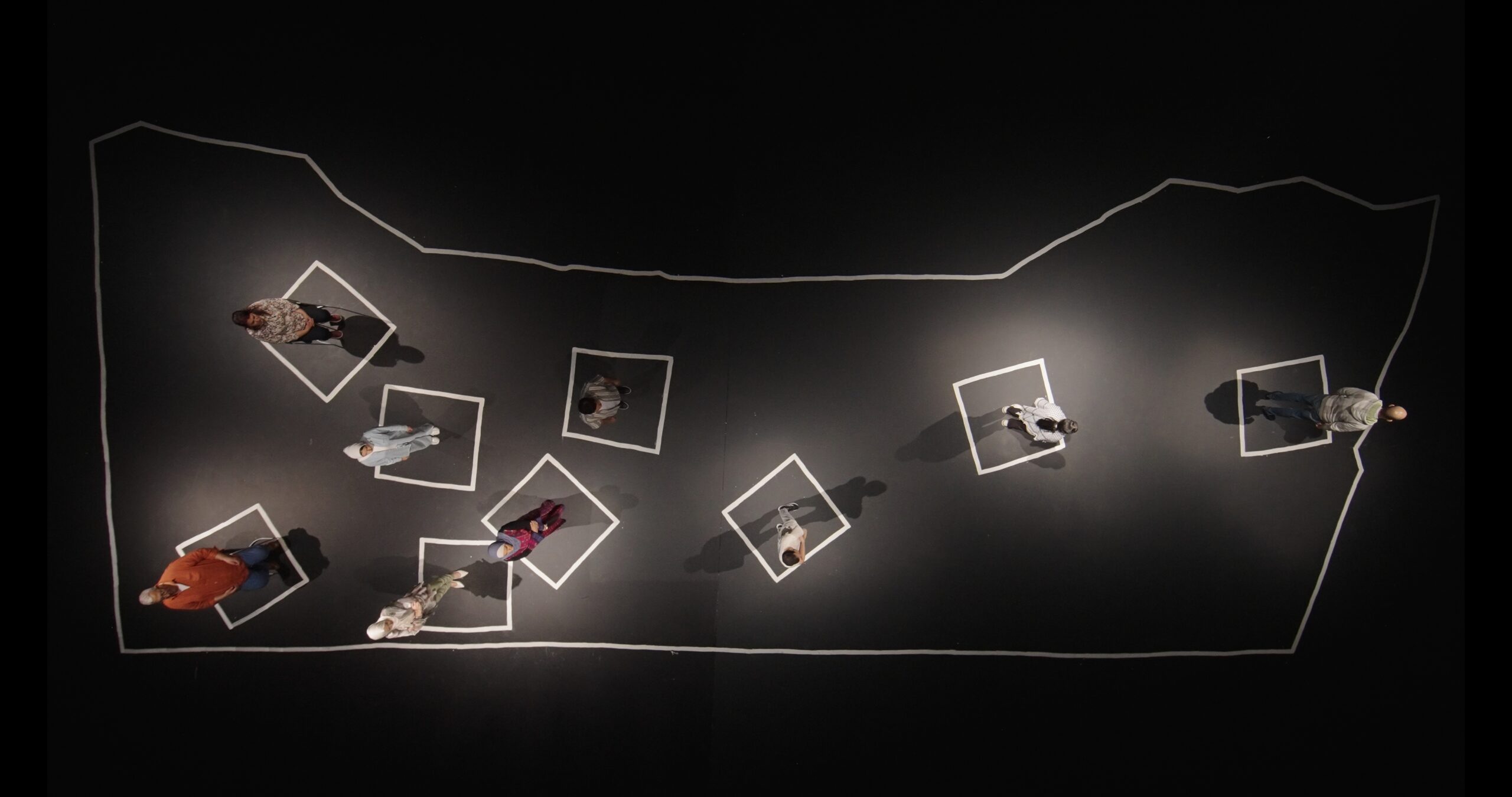
The documentary brings together nine voices from Gaza, each reflecting on loved ones they have lost and the lives they knew before and during the destruction around them.
In a striking visual approach, participants draw the outlines of their neighbourhoods in chalk on the ground, reconstructing places that remain vivid in memory even as their physical surroundings have changed.
The opening screening will be followed by a conversation with Wadimoff and Jawdat Khoudary, one of the film’s participants and founder of Gaza’s Al Mat’haf archaeology museum. A second screening will take place the following afternoon.
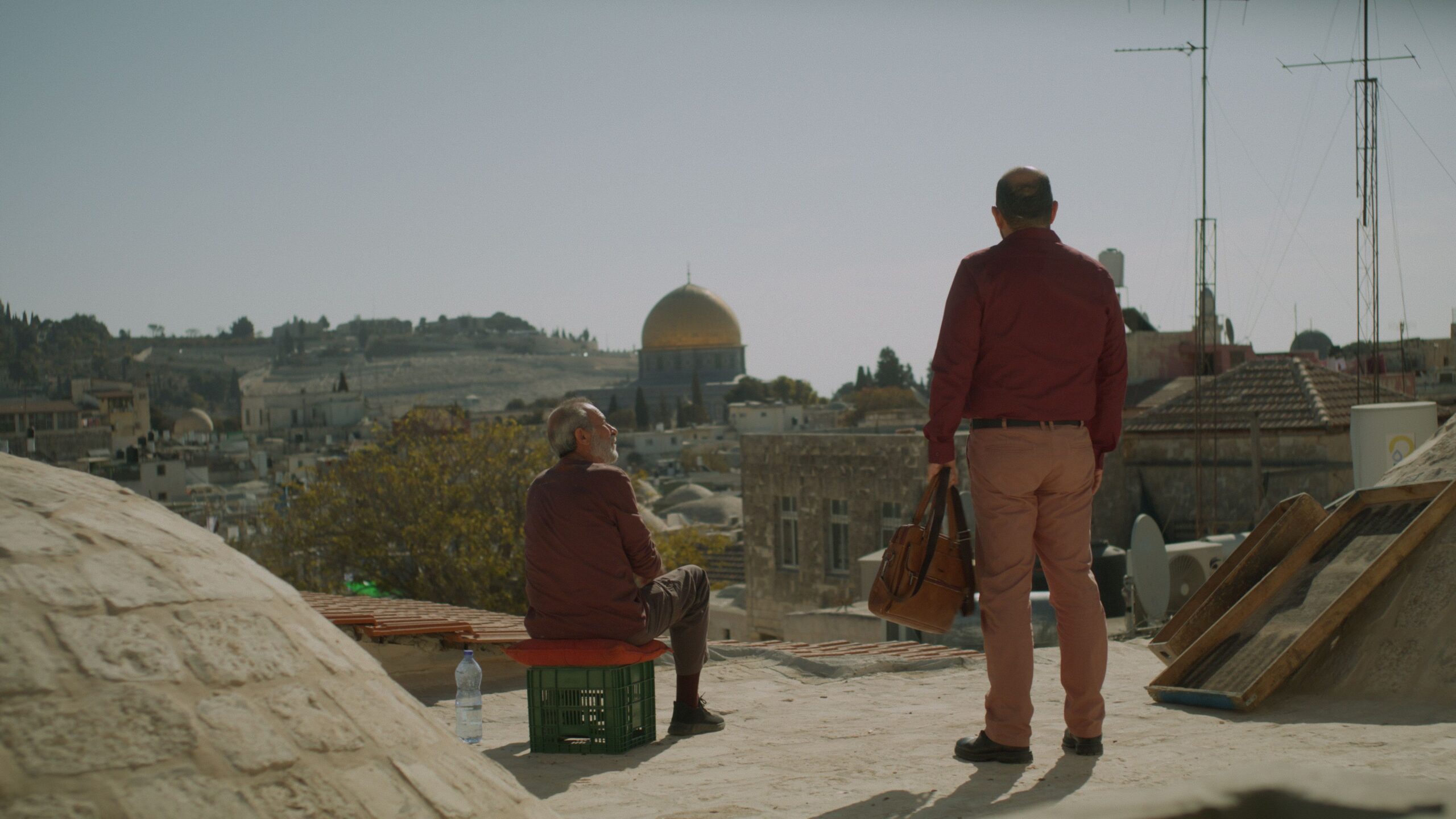
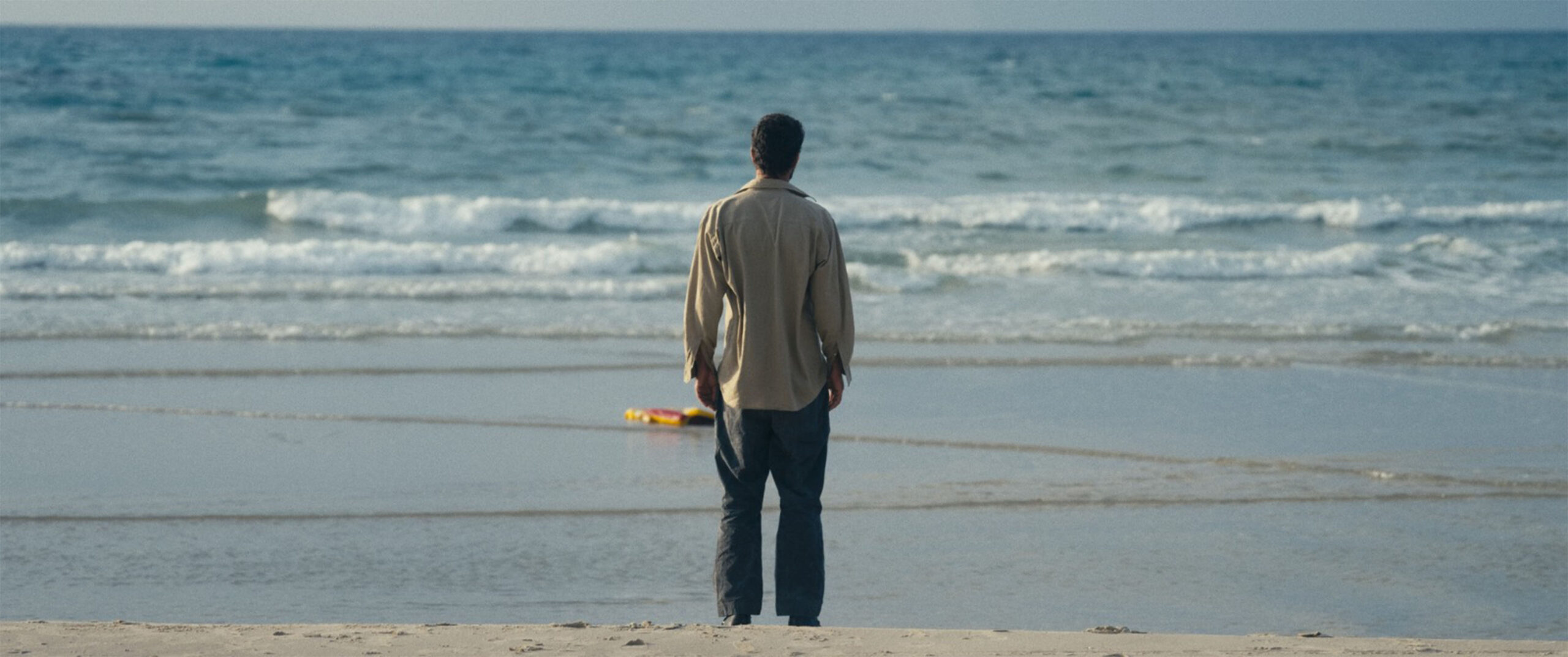
The festival will close on Friday, 27 November, at Curzon Mayfair with Conversation with the Sea, directed by Muayad Alayan.
Following its North American premiere at the Toronto International Film Festival, the film tells the story of a father in Jerusalem searching for the truth about his son, who was believed to have drowned 20 years earlier.
Through its exploration of loss, uncertainty and the passage of time, the film offers another deeply personal perspective within the festival’s wider programme.
Among the other highlights is a tribute to Palestinian filmmaker Mohammad Bakri, with screenings at Rio Cinema and Riverside Studios.
His son, actor Saleh Bakri, will join audiences for discussions following the screenings, offering an opportunity to reflect on his father’s contribution to cinema and theatre.
The programme also turns its attention to one of the most influential Palestinian intellectuals of the modern era.
Edward Said: Between Worlds, directed by Maiken Baird, traces the life of the writer and scholar from Jerusalem to New York, drawing on access to the Said family archives.
The documentary, which had its world premiere at the Toronto International Film Festival, explores themes of exile, identity and belonging that shaped Said’s life and work.
It will screen twice during the festival, with Baird joining a conversation following the 15 November screening at Ciné Lumière.
Cinema history also features in the programme, with the Institute of Contemporary Arts hosting a double bill of Here and Elsewhere (Ici et Ailleurs) and Godard in America, revisiting Jean-Luc Godard’s unfinished film project concerning Palestinian resistance.
Other screenings examine the relationship between people, place and everyday life.
Maggie Lemere’s documentary Land of Canaan, presented in partnership with Zaytoun, focuses on Palestinian olive farmers, while Life Support is presented in partnership with Health Workers for Palestine.
The line-up also includes Gaza’s Twins, Come Back to Me, the UK premiere of Who Killed Alex Odeh? and three programmes of short films featuring work from Gaza, the West Bank and the diaspora.
Together, the films reflect the breadth of Palestinian storytelling, extending beyond any single genre or subject to explore the experiences of communities both at home and abroad.
Khaled Ziada, founder and director of the London Palestine Film Festival, said the event continues to provide a space for cinema and
discussion.
“Founded in the late 90s, the annual two-week film festival continues to create spaces of discussion,” he said.
“Each edition spotlights stories of political realities as experienced by Palestinians, both at home and in the diaspora, through the creative lens of cinema.”
He added that Gaza remains central to this year’s programme, alongside films examining the legacy of Edward Said and celebrating Mohammad Bakri’s career.
For audiences, the festival offers an opportunity to encounter Palestinian stories through the voices of filmmakers, artists and individuals whose experiences are at the heart of the work.
At a time when images of Gaza are frequently encountered through news coverage, the festival’s programme also asks viewers to consider the memories, relationships and cultural histories that exist beyond the immediate headlines.
London Palestine Film Festival 2026 runs from 13 to 27 November at venues across London. Full programme and screening details are available at www.palestinefilm.org.uk.


