


Cycling in London has become significantly safer in recent years, but nearly half of riders still do not feel secure on the capital’s roads, according to new polling.
Figures seen by the Local Democracy Reporting Service (LDRS) show that 43 per cent of cyclists in London continue to feel unsafe, despite major investment in cycling infrastructure and a surge in usage.
Transport for London (TfL) data reveals that around 1.5 million cycle journeys are now made daily across the capital a 13 per cent increase since 2024 and up 43 per cent compared to 2019. The city now boasts more than 435 kilometres of dedicated cycle routes, many of which are segregated from traffic.
However, campaigners say progress remains uneven, with gaps in infrastructure continuing to deter would-be cyclists.
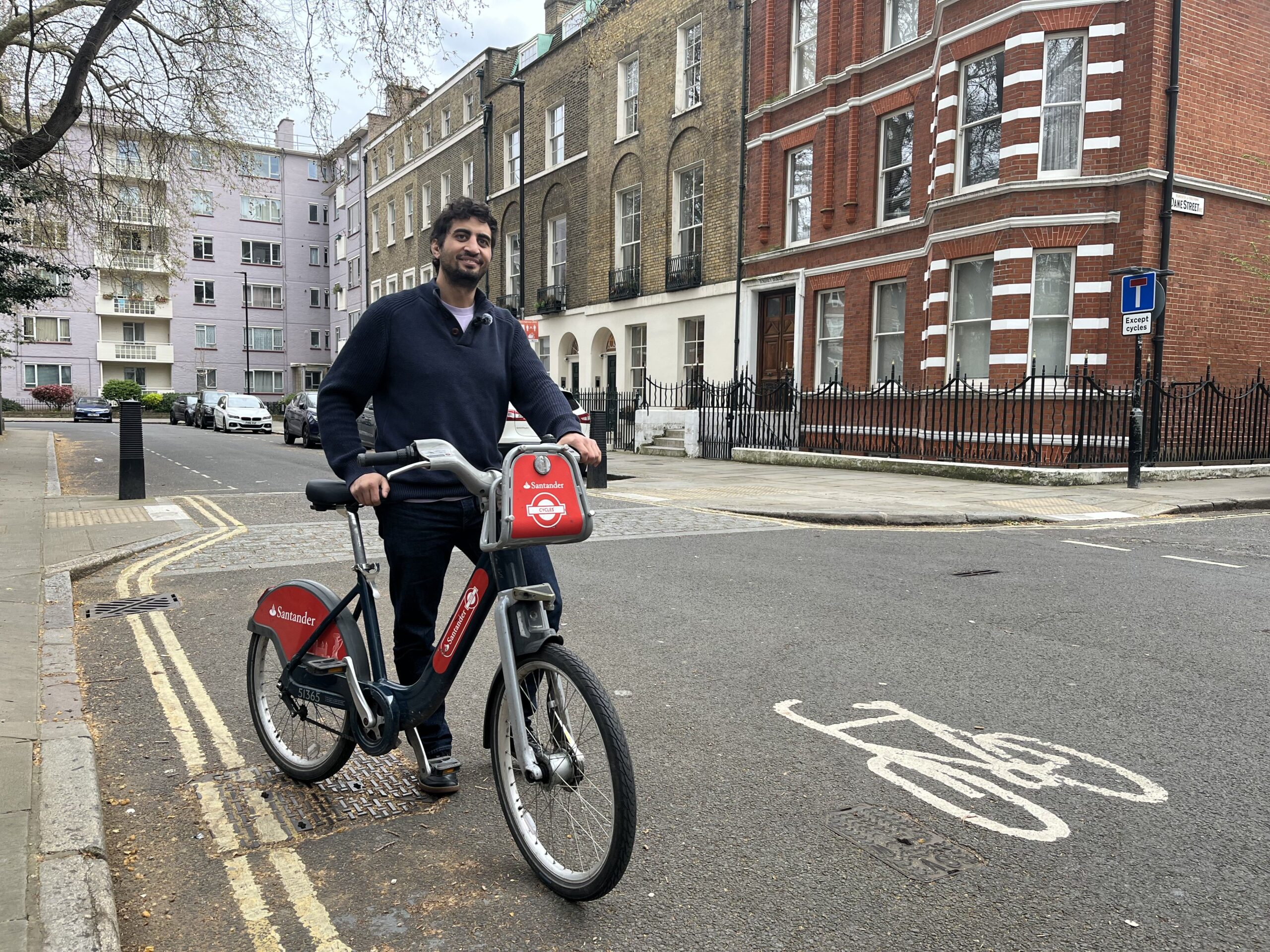
Yahia Abaza, Tower Hamlets borough coordinator for the London Cycling Campaign, said while the capital has undergone a “transformation” over the past two decades, there is still “plenty of room to grow”.
He highlighted the inconsistency of cycle routes as a key barrier.
“There’s a lot of people who will be nervous on London’s roads — they’re riding on a cycle path at one point and then suddenly it stops and they’re having to navigate with buses, taxis and mopeds,” he said.
“It feels overwhelming, and that prevents many people who would like to cycle from feeling safe enough to do so.
“We need a more complete cycle network. At the moment it’s a patchwork, where lanes start in one place and then stop or change design entirely.”
Despite these concerns, many cyclists say conditions have improved noticeably.
Phoebe Slack, 30, who regularly uses hire bikes to commute in south London, said increased cycle lanes have made a difference.
“I feel like it’s changed a lot now. Cyclists definitely have more right of way, and drivers are more aware,” she said.
For others, cycling has become a preferred alternative to public transport. Nico Nugee, 27, described switching from the Tube to
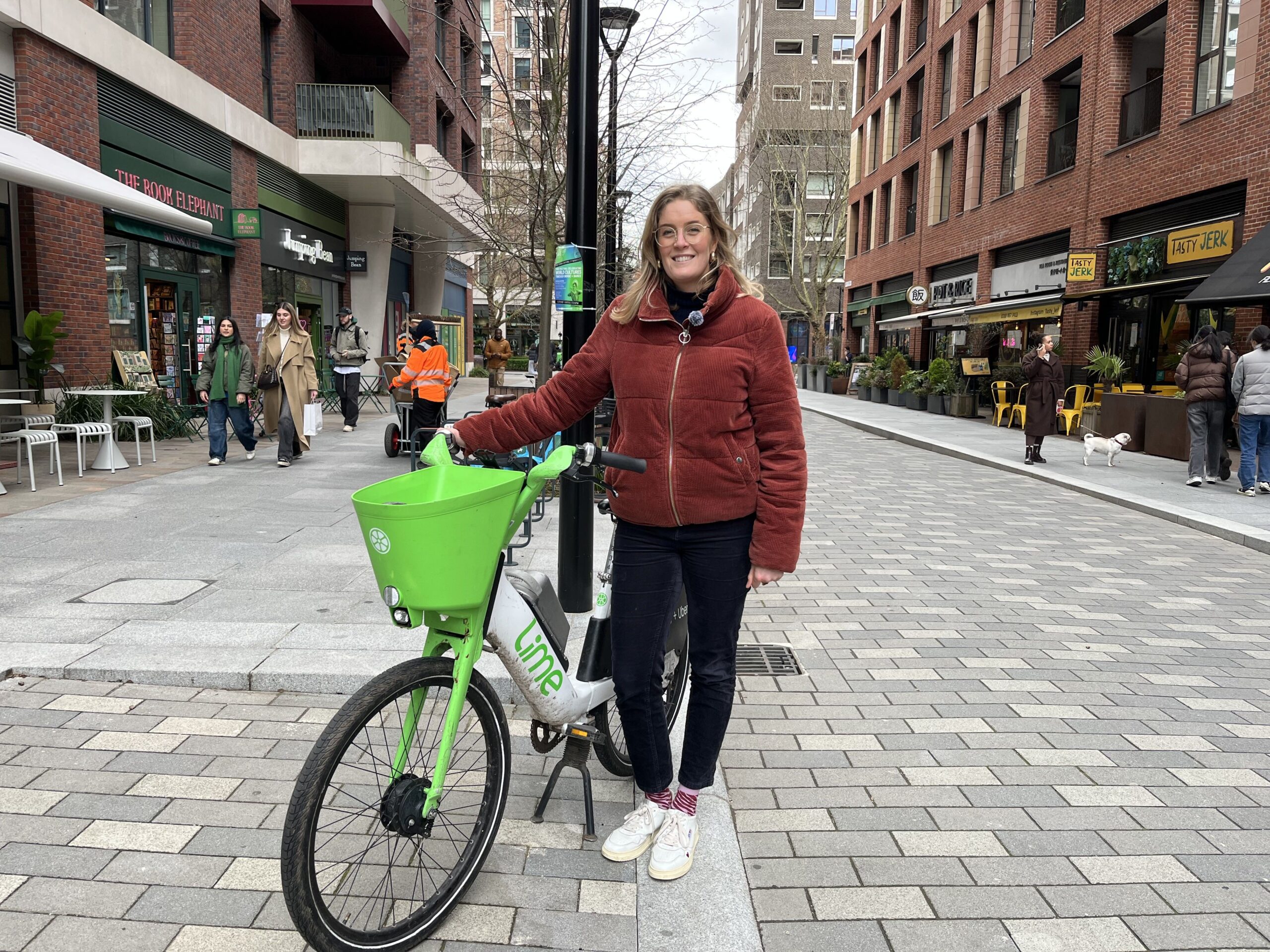
commuting by bike as a “game changer”, adding that London ranks among the safer major cities he has cycled in.
He encouraged new riders to build confidence gradually.
“I totally get the apprehension, but if you practise in quieter areas first, you’ll get comfortable quickly. It’s definitely the best way of getting around,” he said.
City Hall insists further improvements are on the way. Speaking to the LDRS, the Mayor of London, Sir Sadiq Khan, said the capital has quadrupled its network of safe cycling routes in recent years and seen cycling levels rise by almost 40 per cent.
While acknowledging that cyclist injuries have increased in absolute terms, he said the rate of incidents has fallen relative to the growth in cycling — though he admitted it remains “too high”.
“We’re determined to have more safe cycling in our city,” he said.
Plans include upgrading major junctions, targeting dangerous driving through increased use of AI by police, and introducing smarter traffic light systems aimed at improving safety for cyclists.
With cycling continuing to rise, pressure is mounting on TfL and City Hall to close the gaps in infrastructure and ensure safety keeps pace with demand.

