

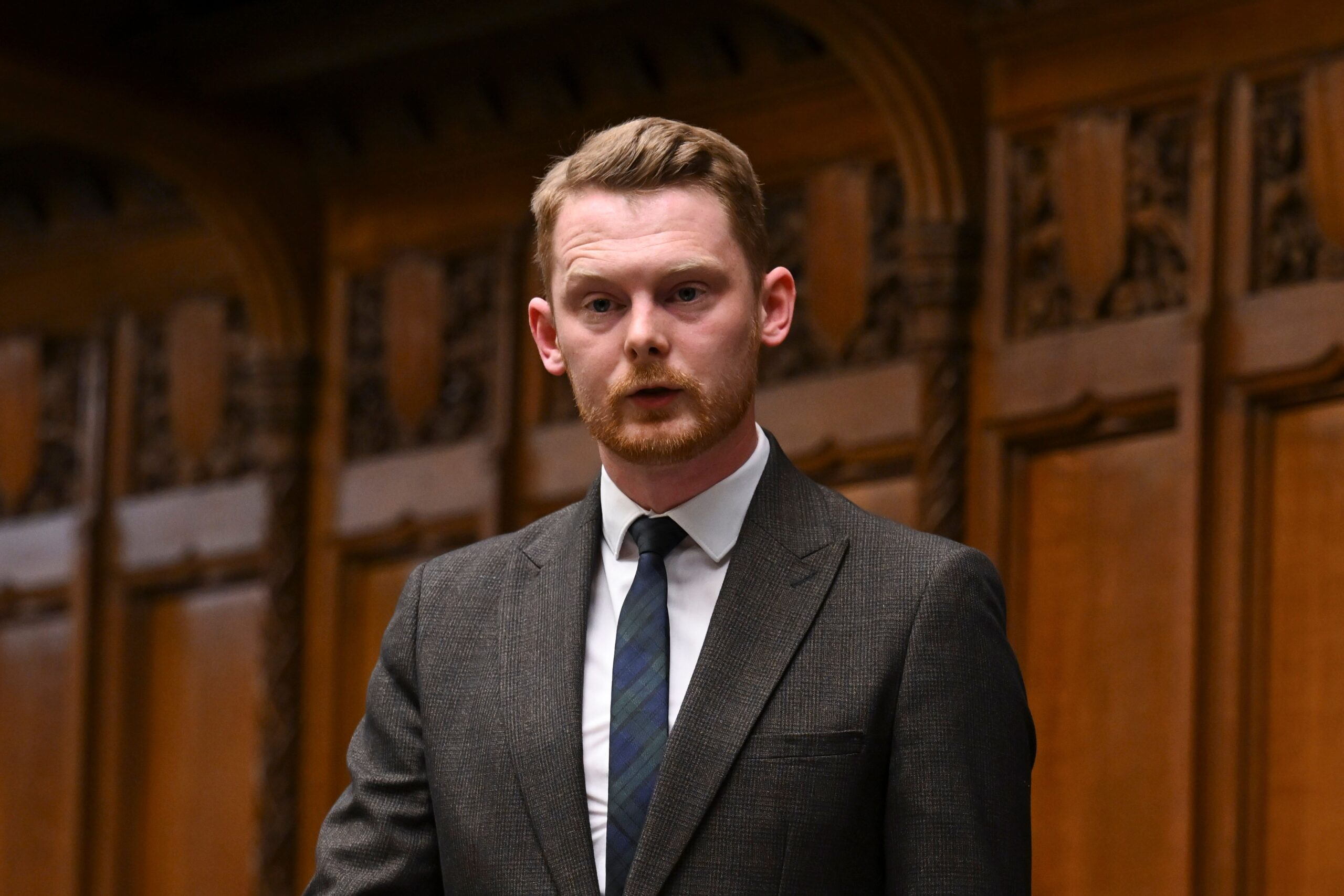
A Teesside MP wants to criminalise lying in politics. The law would be applicable to MPs and members of the House of Lords. Luke Myer, Labour MP for Middlesbrough South and East Cleveland, has set out his proposals, which have garnered support not just from his own party, but from across the political divide, including Conservative support right here in Teesside.
The change being put forward is part of the Public Office (Accountability) Bill, also known as the Hillsborough Law. The bill was due to be voted on in the House of Commons on 14 January, but has been delayed to next week. The Commons Speaker will decide if Mr Myer’s amendment is selected for a decision on 19 January.
In its present form, the bill would make it a crime for senior politicians like the prime minister and cabinet ministers to deliberately mislead the public. Mr Myer’s amendment would make sure the same rule applies to all politicians, including backbench MPs and members of the House of Lords, meaning that no one in Parliament would be above the law.
Mr Myer said: “People are tired of feeling like there is one rule for them and another for those in power. These amendments are a proportionate, safeguarded way to help rebuild trust. If politicians deliberately lie to the public, there should be consequences.” He is not alone in this view, with Redcar & Cleveland Conservative Councillor Peter Grogan saying on Facebook that he was in 100% agreement that politicians who deliberately lie to the public should face consequences.
Mr Grogan went even further than Mr Myer’s amendment, adding that the move should include all politicians from councillors to MPs, from mayors to prime ministers, citing the number of “mis-truths” that come from the mouths of politicians.
In Parliament, the amendment has the backing of MPs from numerous political parties, including the Greens, the Liberal Democrats and from within Mr Myer’s own party – Hartlepool’s Jonathan Brash is a local supporter. Front bench MPs are unable to sign in support.
If Mr Myer’s amendment is passed, MPs and Lords could, for the first time, face criminal charges if they deliberately lie to the public. Mr Myer’s office pointed to polling, showing that only one in ten people oppose the idea of politicians being punished for lying to the public.
Jennifer Nadel, CEO of think-tank Compassion in Politics, which has led a seven year campaign for a law to prevent political deception, said: “When lies travel faster than the truth, democracy becomes dangerously easy to game. This amendment is about drawing a clear line: deliberately deceiving the public in order to gain or retain power is not politics as usual, it is an abuse of trust. If we want to rebuild faith in democracy and bring disillusioned voters back into the system, honesty in public life has to mean something in law, not just in principle.”
Clarifications explain that the bill’s existing safeguards would apply to the amendment, meaning that a prosecution couldn’t be brought without the consent of the Director of Public Prosecutions, and would apply only in the most serious and egregious cases of deliberate deception.
When it comes to safeguards in the bill, it is also noted that the offence has a high legal threshold. The offence does not apply to political opinion, inadvertent error, everyday political debate, individual conversations with constituents, or journalism. On top of this, parliamentary privilege is preserved.


