

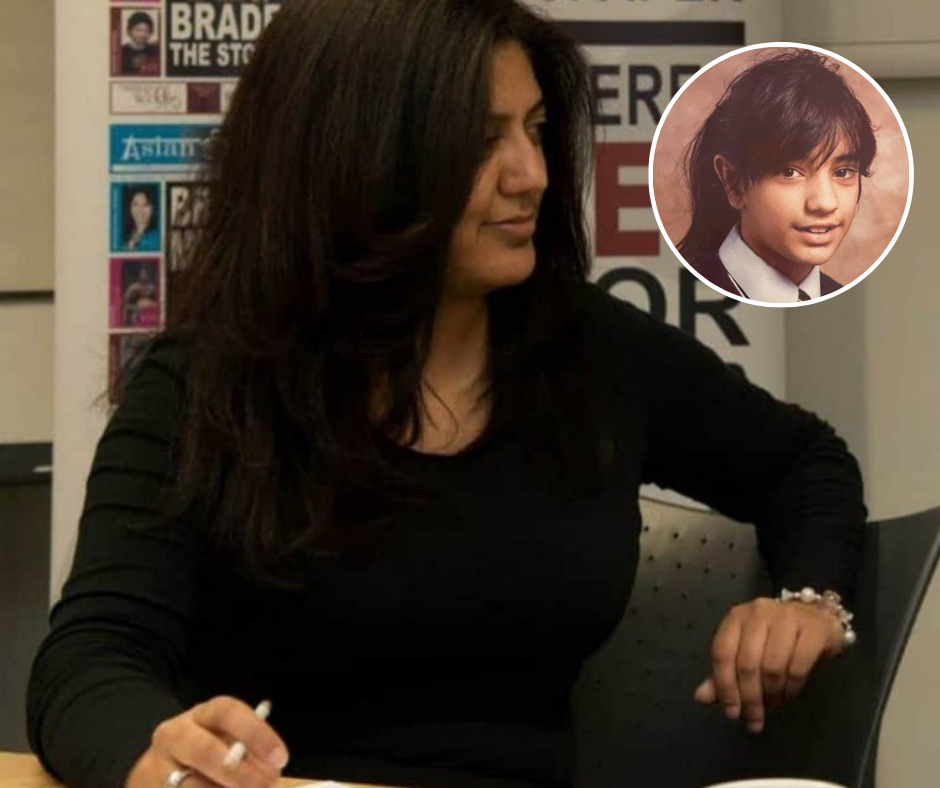
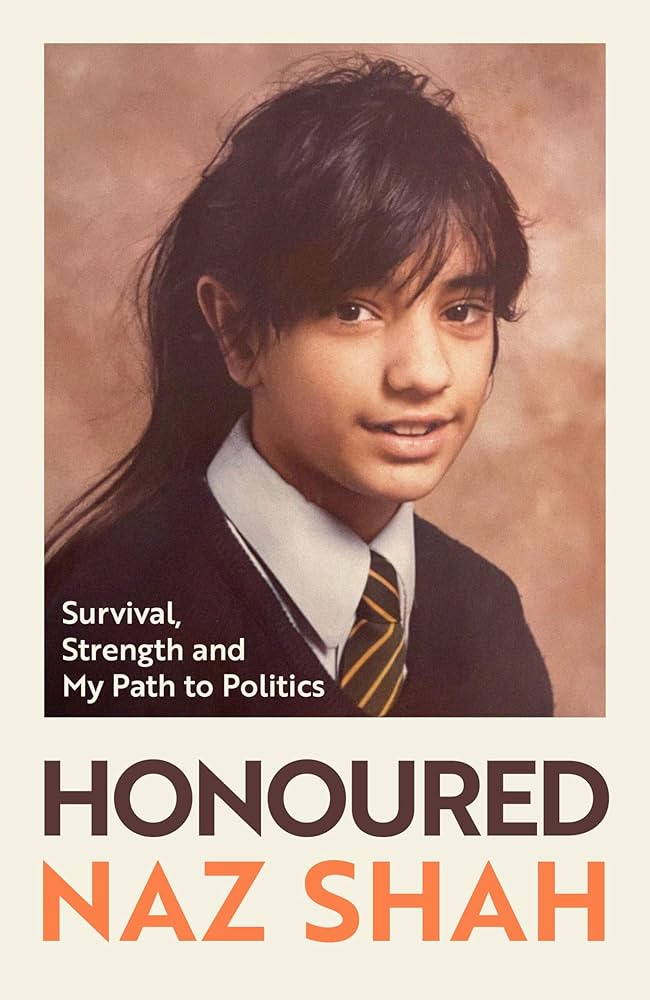
International Women’s Day in Bradford was marked with a powerful moment of reflection and celebration as the Bradford Literature Festival hosted a sold-out launch for Honoured, the deeply personal memoir of Naz Shah.
Held at the elegant Midland Hotel, the evening drew a packed audience from across Yorkshire, with people of different faiths, communities and backgrounds, all united by a desire to hear the story of a woman whose life has been anything but ordinary.
Described as an unflinching account of survival, faith and political awakening, Honoured traces Shah’s journey from a childhood marked by trauma to a seat in Parliament. By the age of five she had grown accustomed to witnessing domestic violence in the home. At six, her father left the family for a teenage neighbour. By twelve she had been sent to Pakistan for protection from her mother’s new abuser, only to be forced into marriage at the age of fifteen.
Within a few short years, the family would face another devastating chapter when her mother was imprisoned for the murder of the man who had subjected her to years of physical and sexual abuse. Shah and her younger siblings were left to fend for themselves.
For many, such a childhood would have broken any sense of hope. Yet Shah’s story is not defined by defeat. Instead, it is shaped by resilience.
For years she campaigned alongside the women’s rights organisation Southall Black Sisters for her mother’s release, helping to secure a reduction in her life sentence. Sustained by a deepening Islamic faith and guided by its values of justice and compassion, Shah began to find purpose in activism – speaking not only for her own family but for others whose voices had been silenced.
Her political breakthrough came in 2015, when she achieved one of the most dramatic victories of the general election, defeating George Galloway to reclaim Bradford West for the Labour Party.
It was a moment that captured national headlines. Yet for those who had known Shah long before Westminster, it represented something far more personal.
I have known Naz for more than two decades, both before and after her political career began. Whatever one’s politics, there is no denying that her early life was tumultuous. She was forced to grow up quickly, navigating circumstances few children could imagine.
Born in Britain but sent to Pakistan during her teenage years, just at the point when most young people are beginning to form their sense of identity, she endured a profound isolation. A childhood shaped by violence, displacement and instability meant she experienced little of the security or affection most children take for granted.
It raises an important question: when someone grows up without love, how do they learn to give it?
For Shah, the answer seems to have been to fight.
Throughout her life she has fought. First to survive, then to find her own path. In her early years she largely did as she was told, shaped by the expectations and pressures around her. But eventually she began to make choices for herself.
Her career path was not straightforward. She built a successful career within the NHS before taking the same employer to a tribunal. She later experimented with launching her own fitness business. None of it followed the neat trajectory we often expect from public figures.
What stands out about Shah is her willingness to acknowledge those twists and turns openly. She has never tried to present herself as flawless. Instead, she speaks candidly about the mistakes she has made and the lessons she has learned along the way.
When she first spoke to me about her ambition to enter politics, I will admit I was unsure. I wondered whether she possessed the traditional credentials we often associate with Parliament.
But that assumption raises a deeper question: what exactly are the “right” credentials for an MP?
For generations within South Asian communities, many of us grew up believing representation meant polished accents, prestigious degrees and an almost aristocratic command of English. Those were the qualities we thought our communities needed in order to be taken seriously.
Yet watching Shah’s journey forces you to reconsider that assumption.
Her lived experience, the adversity she has faced, the battles she has fought gives her something arguably far more valuable: relatability.
She understands struggle because she has lived it.
She understands injustice because she has fought against it.
And she understands the resilience of communities like Bradford because she is part of them.
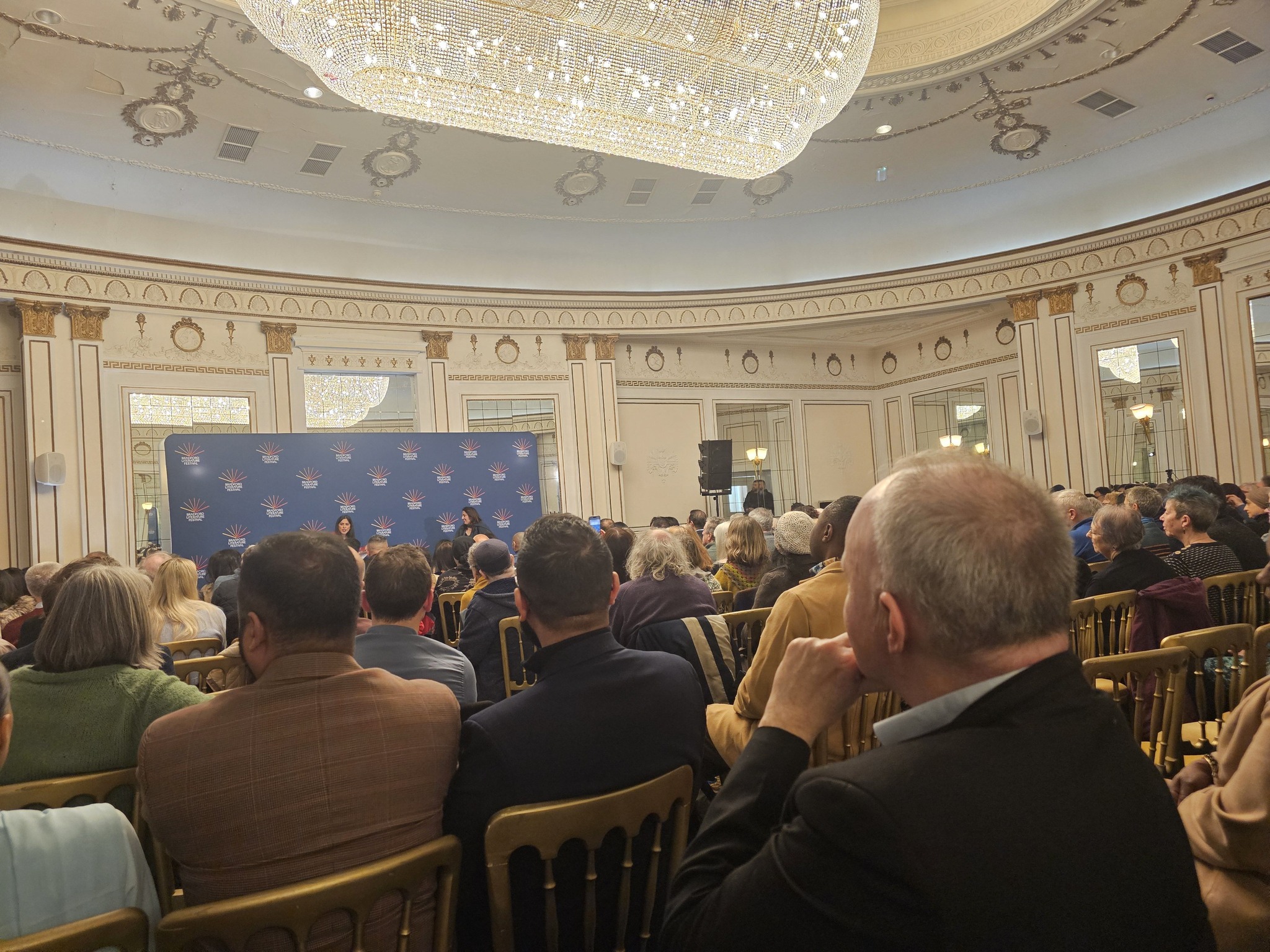
Seeing Shah during the fierce hustings and campaign battles of 2015, compared with the figure who addressed the audience at her book launch last night, reveals a remarkable transformation. The determination is still there, but it is now accompanied by a confidence and clarity that only time and experience can bring.
The young woman who once entered politics as something of an outsider has grown into a seasoned parliamentarian who understands her voice, her values and her purpose.
As she spoke to the packed audience at the Midland Hotel, it was clear that people had travelled from across the region not simply to hear a politician, but to witness the story of someone who has defied expectations.
The standing ovation that followed was not simply for a book. It was recognition of a journey, from hardship to leadership, from silence to voice.
Naz Shah’s story is ultimately about finding strength in the very experiences that might have silenced others.
In doing so, she has shown that sometimes the most powerful leaders are not the most polished ones, but those who have lived the struggles of the people they represent.
And on this International Women’s Day in Bradford, that message could not have been more fitting.


