

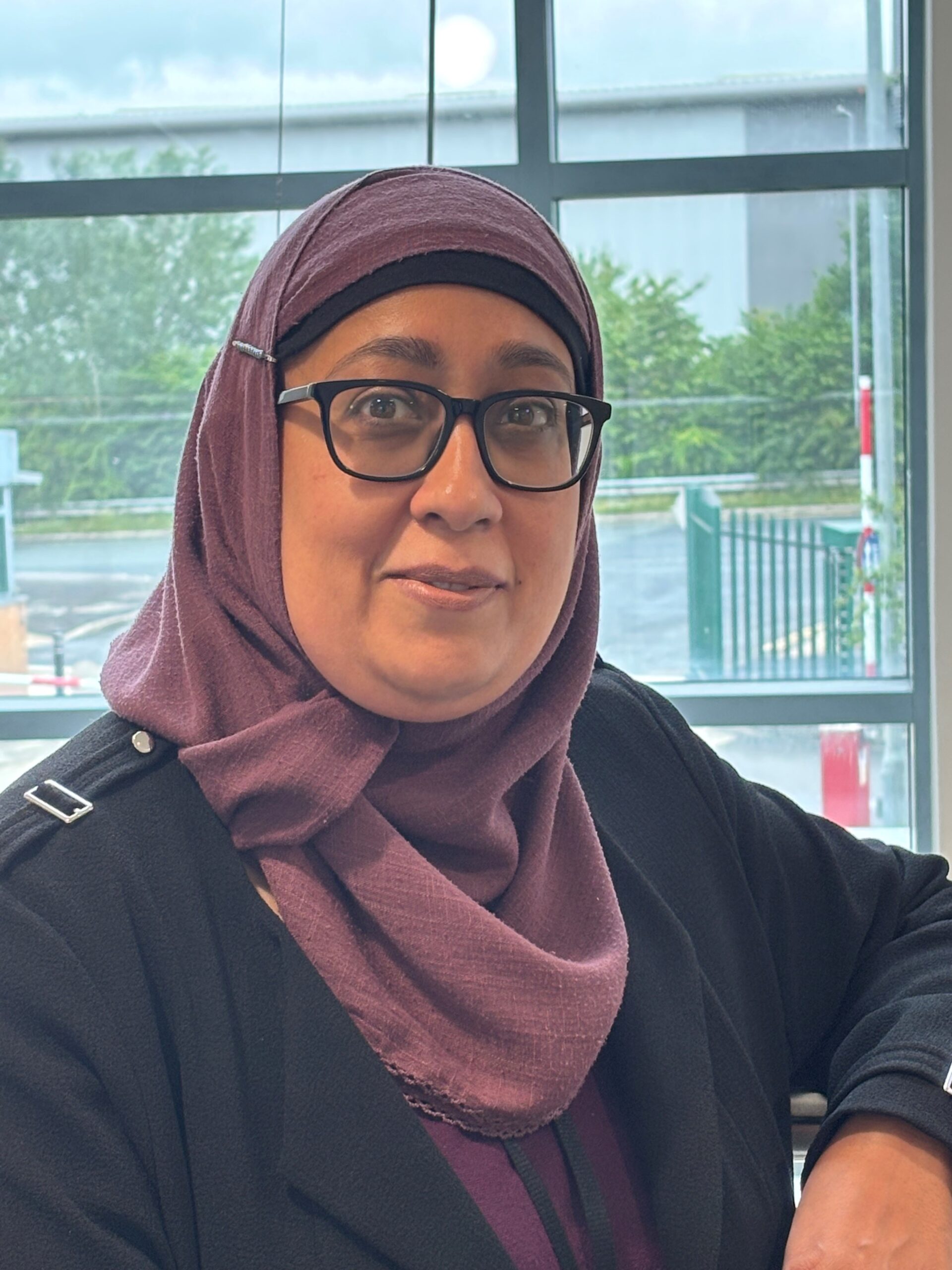
Long before “world foods” became a staple of Britain’s supermarket aisles, Noor Ali had already seen what the big retailers were missing.
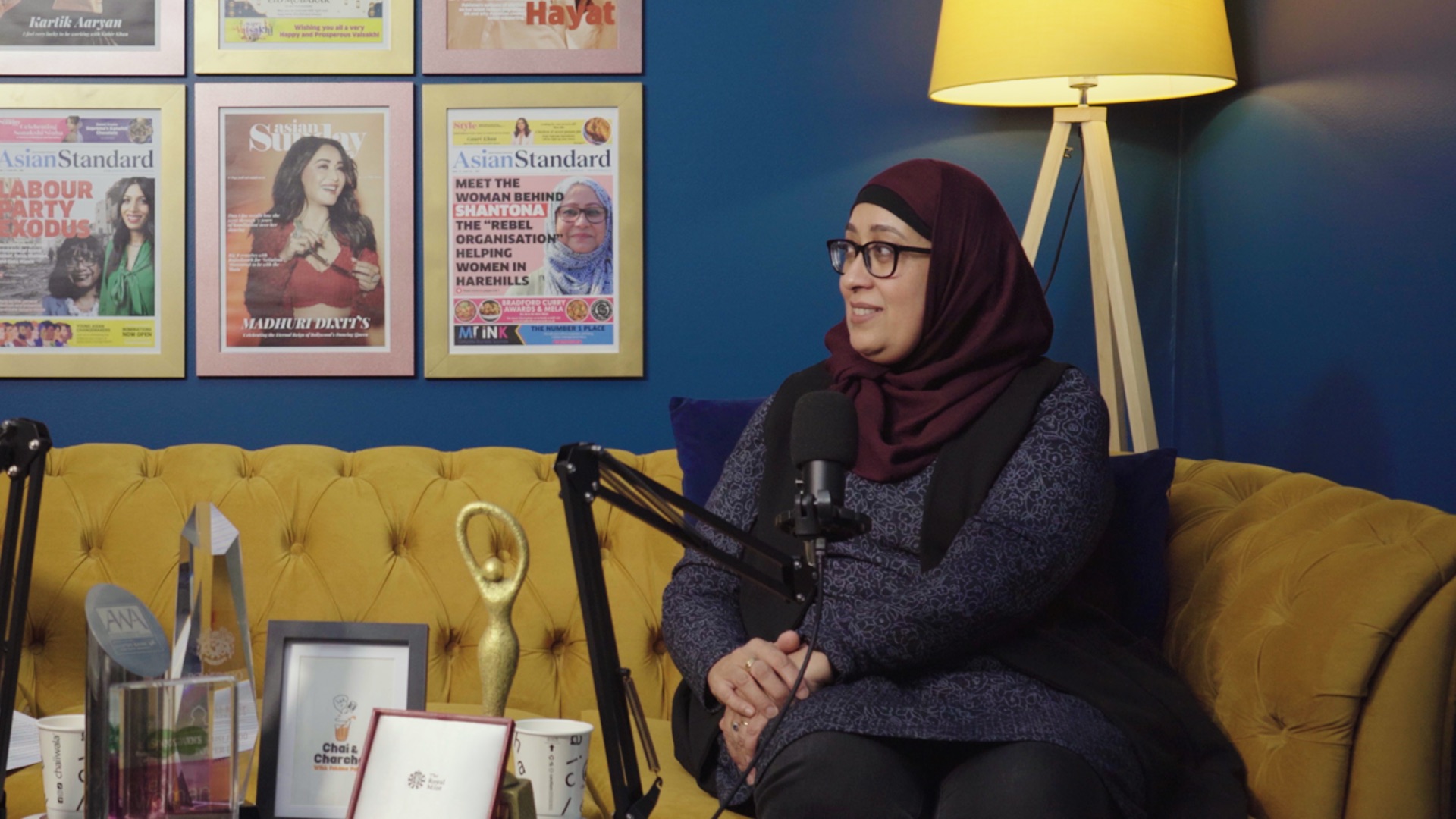
Where others saw niche demand, she saw the future of British shopping. Where others saw “ethnic food”, she saw loyalty, culture, family tradition and serious commercial power. And where others saw small independent shops serving local communities, she saw the blueprint for a retail revolution that would eventually help transform supermarket shelves across the country.
Today, Noor Ali BEM is widely recognised as one of the most influential figures in British retail. Her career, which began on the shop floor and rose to the boardroom, has helped reshape how supermarkets serve diverse communities, contributing to a sector now worth billions.
But for Ali, the story starts much closer to home.
Before the awards, the board appointments and the national recognition, there was a family business in Bradford. Her parents, who had worked in clothing manufacturing, knew graft, discipline and resilience. Later, alongside her brothers, Ali helped open a supermarket on Legrams Lane, at a time when many South Asian families still relied on cramped grocery shops packed with stock but limited in space and structure.
That family venture became a turning point.
“We changed what an independent could look like,” she reflected, recalling wider aisles, meat counters, improved merchandising and a more organised shopping experience. It was not just about selling food. It was about dignity, visibility and understanding how communities actually shopped.
For many British Asian families, supermarkets at the time offered only a token selection of products. The real choice was in independent stores. Ali understood both the cultural habits and the commercial potential behind that gap.
After around eight years in the family supermarket, she joined Asda in what was initially meant to be a temporary role while moving house and settling her children into new schools. She started on the checkout. It did not stay that way for long.
Having already run a supermarket, Ali quickly saw opportunities others had overlooked. She moved through roles in HR, merchandising and marketing before pitching an idea that would change British retail: a dedicated World Foods category built around real consumer demand.
It was a bold proposal. Supermarkets were established, structured businesses, not easily persuaded to hand over shelf space to something unproven. But Ali had both lived experience and retail evidence behind her. In one telling moment, she took senior figures to the family store to show them what mainstream retail was missing.
The pitch worked.
What followed was a retail first. Ali helped launch Asda’s World Foods category, bringing in around 2,500 product lines across hundreds of stores. The ranging was led by local demographics and included products for South Asian, African, Caribbean, Jewish, Irish and Far Eastern communities. It was not simply a new aisle. It was a recognition that British shoppers were more diverse, more discerning and more commercially significant than many supermarkets had previously acknowledged.
Among the most significant breakthroughs was the introduction of a full halal range, the first of its kind in a UK supermarket. That move alone carried enormous weight. Halal was not just a product category; it was an issue of trust, accreditation and cultural confidence. Ali understood that if a supermarket was going to serve those shoppers properly, it had to do it credibly.
She also saw something else the industry had undervalued: the importance of festivals.
Under her leadership, supermarkets began to think differently about Ramadan, Eid, Diwali and Passover, not as side notes, but as major retail moments deserving thoughtful ranging, promotions and visibility. Today, seasonal campaigns linked to faith and culture are a familiar part of the supermarket calendar. At the time, they were groundbreaking.
Ali later took that expertise to Morrisons, where she revitalised the chain’s World Foods offer, rolling out hundreds of new lines across
hundreds of stores and introducing further seasonal retail firsts, including ranges for St Patrick’s Day, Carnival and Chanukah.
Her impact has been profound not only because it made supermarkets more inclusive, but because it challenged the industry to think bigger about who British consumers really are. She was not simply putting products on shelves; she was helping entire communities feel seen in spaces that had long overlooked them.
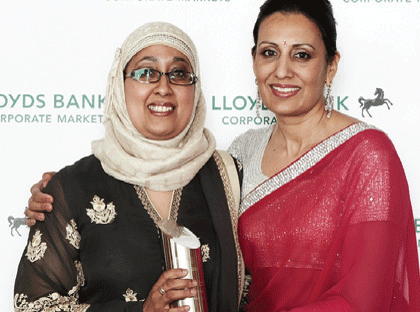
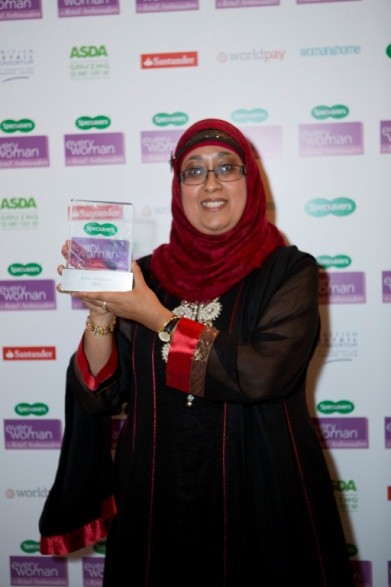
That legacy has earned her some of the industry’s highest honours, including a British Empire Medal for services to diversity in the retail industry, alongside a string of national awards. Yet in conversation, Ali is clear that her deepest values were shaped not by titles, but by faith and family. She speaks often of her parents and the example they set: work hard, do the right thing, never be afraid of a challenge.
That same sense of purpose runs through her work outside retail.
Through her initiative Noor’s Den, she has led prison workshops designed to help inmates build confidence, develop business ideas and present them to professional panels in a Dragon’s Den-style format. It is a striking extension of her belief that business should not be confined to profit alone.
One moment from that work has stayed with her. After one workshop, a prisoner told her: “You’ve just made me feel like a human being again.”
It is a powerful comment, and perhaps the clearest measure of Ali’s wider influence. Her work has always been about more than transactions. It is about access, representation, opportunity and belief.
Now Senior Commercial Manager at P&B Foods, home of the Heera brand, Ali is helping drive the next phase of growth from the supply side, including new innovation, partnerships and expansion into global markets. A new state-of-the-art oil and ghee factory in Bradford is among the latest signs that the sector she helped legitimise is still evolving.
For shoppers, the World Foods aisle may now feel ordinary. For Noor Ali, that may be the greatest achievement of all.
What was once absent, marginal or misunderstood is now part of the mainstream. And behind that shift stands a Bradford woman whose retail vision changed not just what Britain buys, but how Britain sees itself.


