

Voters across Bradford are set to head to the polls in May for a major shake-up of local democracy, with every council seat being contested in a one-off “all-out” election.
On Thursday, 7 May 2026, residents in the City of Bradford Metropolitan District will vote to elect 90 councillors, following a boundary review which has reset the electoral cycle.
In a significant change, each ward will elect three councillors at once, with voters asked to choose three candidates on the ballot paper.
The results will determine not just who is elected, but how long they serve. Candidates finishing first will secure a four-year term, second place will serve two years, and third place one year. From 2027 onwards, elections will return to the usual system of electing one councillor per ward.
The vote is expected to reshape the political balance of the council, with all parties gearing up for what is being seen as one of the most consequential local elections in recent years.
Key deadlines and voting rules
Bradford Council has urged residents to ensure they are registered ahead of the deadline of midnight on Monday, 20 April.
Only those aged 18 or over on polling day can vote, but people aged 16 and 17 are encouraged to register early. Eligible voters must be British, Irish, qualifying EU citizens with retained rights, or Commonwealth citizens with permission to remain in the UK.
Polling stations will be open from 7am to 10pm on election day.
Voters are reminded that photo identification is now mandatory at polling stations. Accepted forms include passports, driving licences, blue badges and certain travel cards. Those without ID can apply for a free Voter Authority Certificate, with a deadline of 5pm on Tuesday, 28 April.
Poll cards began being issued in mid-March, detailing where residents can vote, although they are not required to cast a ballot.
Postal and proxy voting
For those unable to attend in person, postal voting remains available. Applications must be submitted by 5pm on Tuesday, 21 April, with ballot papers expected to be dispatched from around 20 April.
Residents planning to travel close to polling day are being advised to consider proxy voting, allowing someone they trust to vote on their behalf.
Election timetable underway
The election process is already in motion, with the formal notice of election published on 19 March.
Candidates have until 4pm on 9 April to submit nomination papers, with the full list of those standing due to be published the following day.
The pre-election period, often referred to as “purdah”, is expected to run from early April until polling day, restricting how council resources are used during campaigning.
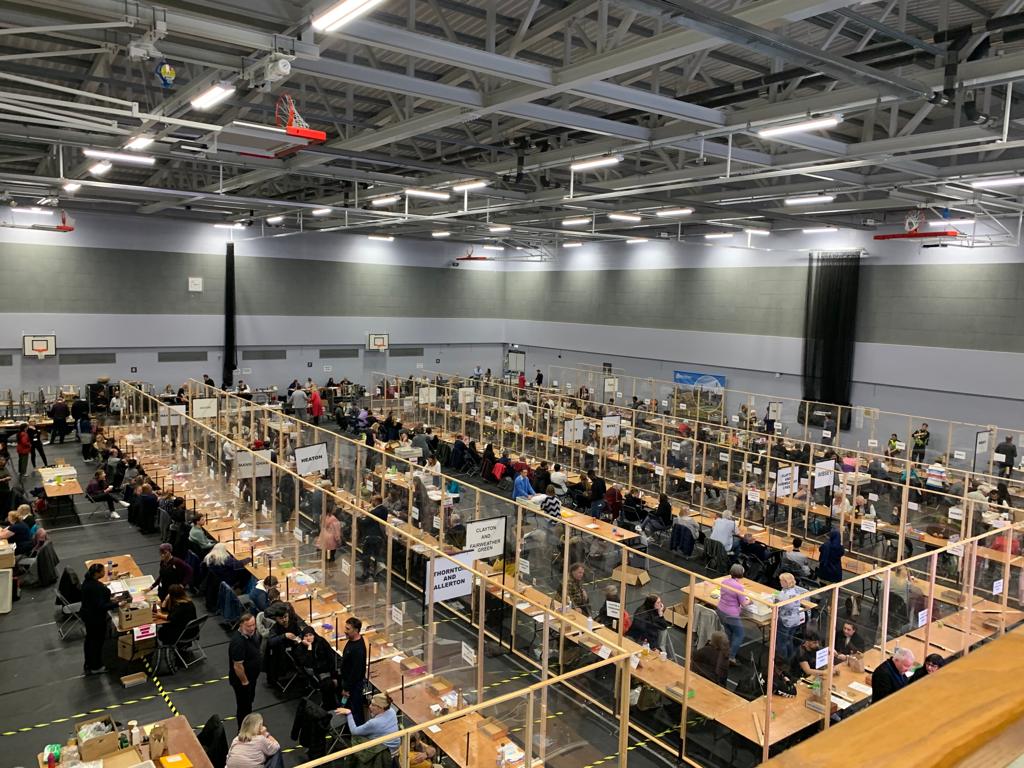
Votes will be counted on 8 and 9 May, with results expected shortly after.
Call to participate
With all seats contested and new ward boundaries in place, the elections offer a rare opportunity for residents to influence the future direction of the district.
Council officials are urging people not to miss their chance to take part, particularly those who have recently moved home or have not voted before.
Further information, including how to register and apply for postal or proxy votes, is available via Bradford Council’s Electoral Services team.
Current political balance at stake
The elections could significantly alter the current political makeup of Bradford Council, which as of early 2025 is under Labour control. Of the 90 seats, Labour holds 47, giving it a narrow majority, with Councillor Susan Hinchcliffe serving as leader. Other representation includes Conservative and Queensbury Independent councillors (14), Green Party (10), The Bradford Independent Group (9), Independents (6), and Liberal Democrats (5). A party must secure more than 45 seats to hold overall control. With all seats up for election, Labour will need to win at least 46 to retain its majority, while any failure to reach that threshold could result in no overall control, opening the door to coalition or minority leadership.


