

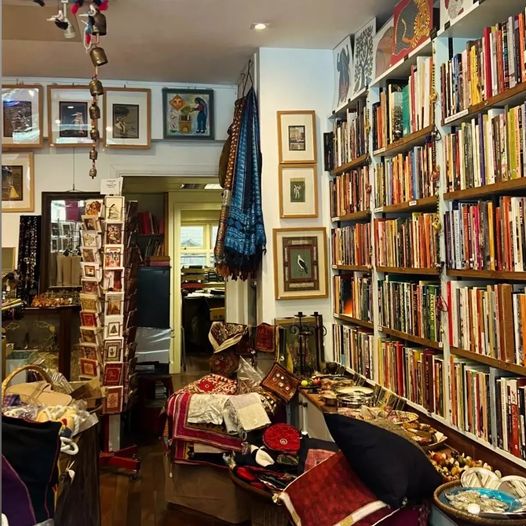
Hidden among the busy streets near Waterloo, Shalimar Books has quietly spent decades preserving stories, histories and identities often overlooked by mainstream British bookselling.
Chetan Kumria, who recently took the shop over from his parents said that:
“The shop is more than a business. It is the continuation of a family project that began long before multicultural publishing became commercially popular in Britain.”
While many South Asian migrants arriving in the UK during the 1960s entered industries such as catering or textiles, Kumria’s family took a very different path, importing and selling South Asian literature at a time when very little of it existed in British bookshops.
In 1968, the family’s original company, Independent Publishing Company, began importing Indian books to serve local communities searching for literature in Indic languages and books reflecting their own histories and experiences.
“So we incorporated Independent Publishing Company into Soma Books in the 80s. We have co-published a number of books with Indian publishers under the Soma Books imprint. In 2012 we changed to Shalimar Books.” Said Kumria.
Although the shop remains popular Kumria said that it would be nice if there were more independent bookshops that specialised in South Asian literature.
“It would be really hard to start this shop now, as much as it would be great if someone walked in and said they wanted to set up something similar it’s never happened.” Kumria said. “We were lucky my parents started it when they did, and we’ve managed to keep it going.”
After the business evolved into Soma Books during the 1980s, the family opened a branch inside London’s Commonwealth Institute. Over the years, the shop became known not only for books but for South Asian art, textiles and politically engaged literature focusing on race, postcolonial history and identity.
“My mum’s sister Kamini Tankha, had her company Some Fine Things based in Delhi and they worked together with local artists and craft people across India to bring handcrafted goods here to sell in the shop as well.” Said Kumria.
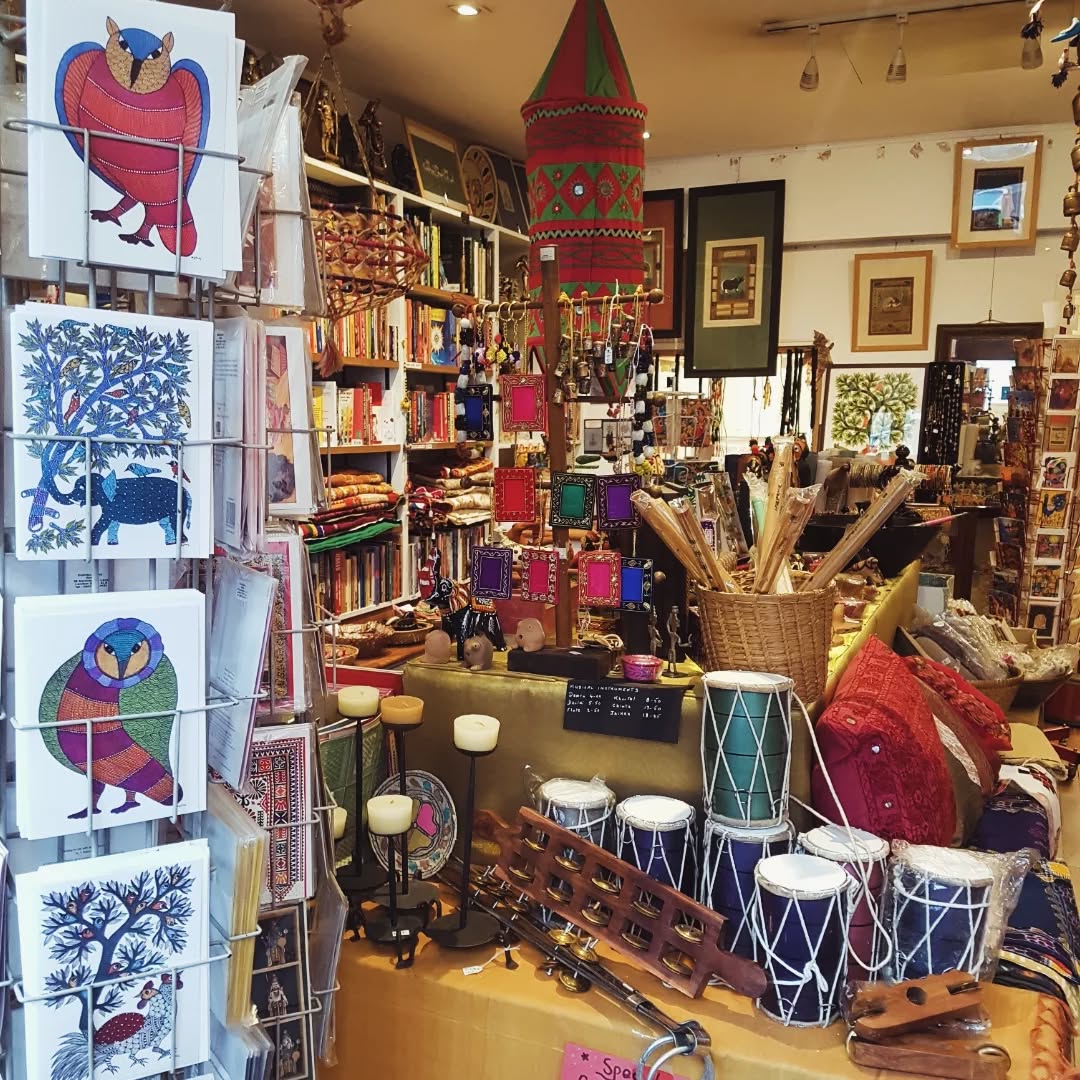
Today, the shop stocks everything from Urdu poetry and Indian political writing to cookery books and short stories. Kumria said that this range reflects the values his parents built the business around.
“My parents were always involved in politics and were interested in everything from yoga and wellness, sustainability, philosophy, poetry, everything” he said.
The family were also involved in some of Britain’s earliest multicultural literary events.
“We helped organise what it describes as the first Black Book Fair in Brixton and worked closely with schools and libraries at a time when diverse children’s literature was still limited in Britain.” Said Kumria.
As independent bookshops continue to struggle nationwide, spaces like Shalimar have become increasingly rare. According to latest statistics from the Booksellers Association, the number of independent bookshops in the UK and Ireland fell from 1,063 to 1,052 in 2024.
Yet Kumria said that demand for South Asian literature and culture has not disappeared in the digital age. Social media platforms such as Tik Tok and Instagram now help younger readers discover diaspora authors and independent stores in ways previous generations could not.
“We get a lot of young people come in, well a lot of people of all ages. Social media changed things but not in a bad well and of course we can sell online now,” Kumria said. “Now more people know we exist. It’s like word of mouth on steroids.”
Despite digital growth, Kumria believes physical cultural spaces still matter, especially for younger British Asians trying to connect with their heritage.
“We have people visiting from all over the world, from Australia, the Netherlands and New York” he said, “they all say there’s nothing quite like this anywhere else.”
Now leading the business his parents-built decades ago, Kumria sees himself as continuing a legacy rather than simply running a shop.
“Shalimar Books remains a rare link between generations of British South Asians preserving stories, languages and histories and I hope that we continue to stay busy.” Said Kumria.
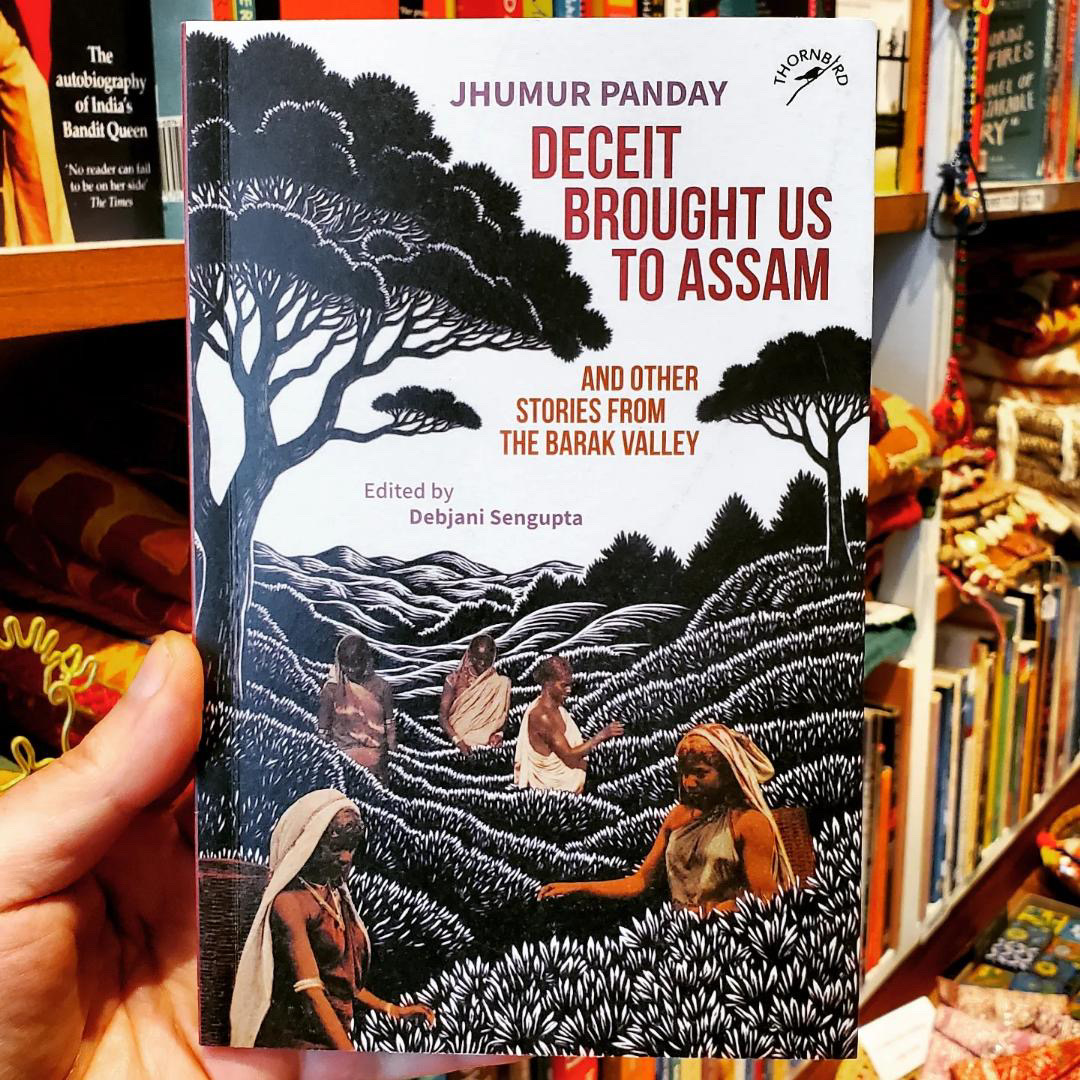
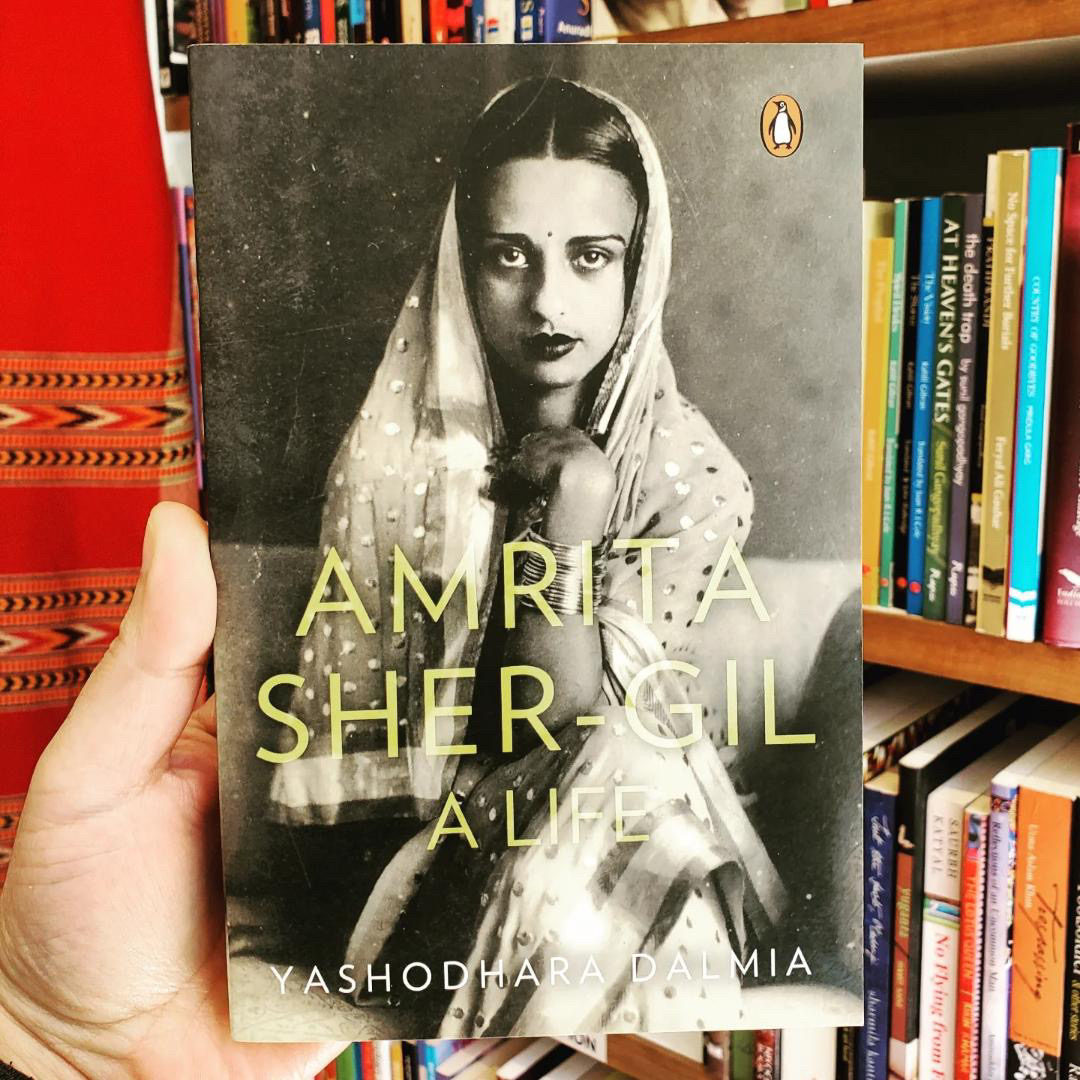
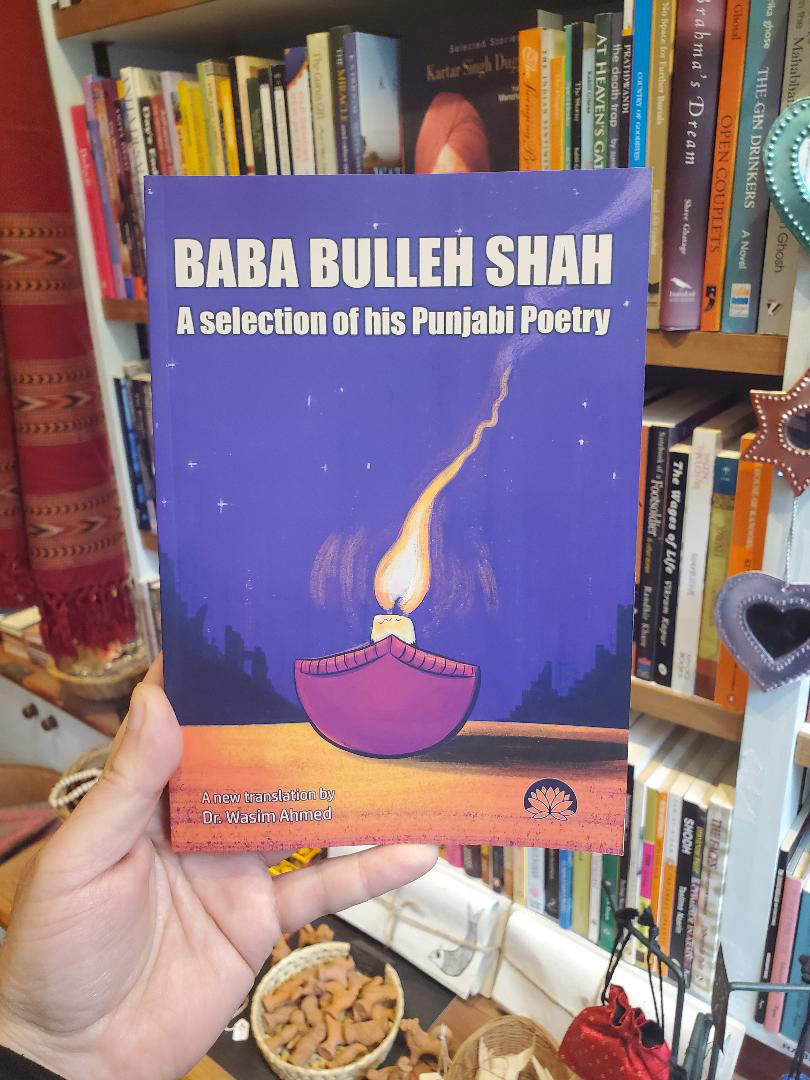
Some top picks from Chetan to check out: