

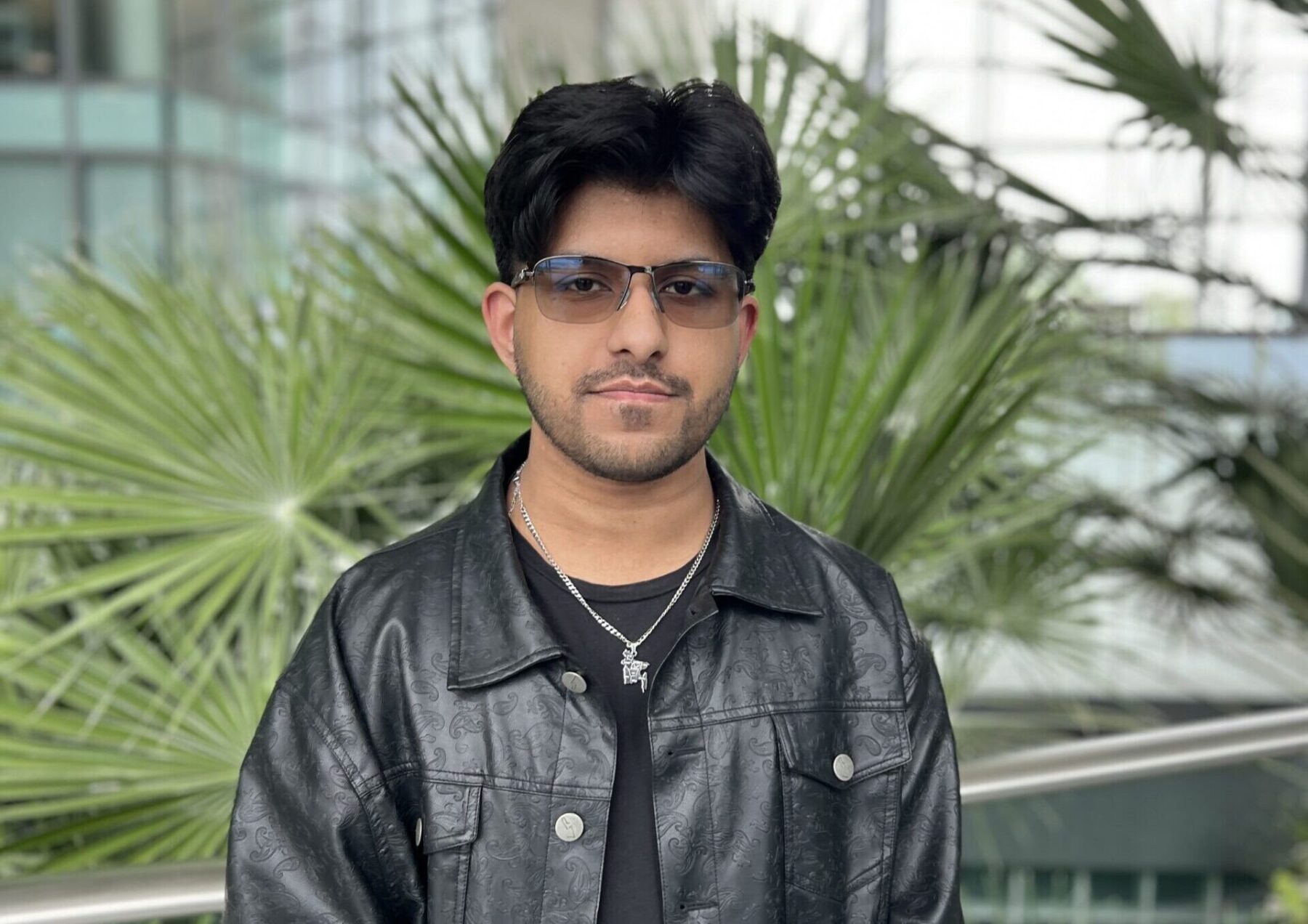
At nine years old, Imran Quayes made a decision that would alter the course of his life when he asked to enter foster care.
While most children his age were worrying about homework or television shows, he was trying to understand how to escape a home environment he no longer felt safe in. Growing up in Newham, Imran said there came a point where the fear and instability around him became impossible to ignore.
“I realised by nine that I was in an unsafe environment and was being abused and neglected,” he said. “My only thought was to escape, but I knew running away would be insufficient.”
Now 25, the Manor Park photographer and videographer speaks about that period of his childhood with a calmness that contrasts sharply with the reality he experienced at the time. Looking back, he says he did not fully understand how significant the decision to enter foster care would become. What he did understand was that he needed help.
“One thing about my story is I chose to go into foster care,” he said. “I realised I wasn’t in an environment that was safe, and I needed to escape.”
For Imran, foster care was not something he initially understood through social workers or official systems, but through popular culture.
“My first introduction to foster care was through Tracy Beaker, but that show was kind of inaccurate,” he said. “I also had a teacher in school who helped with some of my behavioural problems back then and she went through it with me.”
That teacher became one of the first adults who helped him navigate what was happening around him.
At the time, Imran was already beginning to display behavioural difficulties linked to the trauma and instability he was living through. He now recognises those struggles as the result of experiences no child should have to process alone.
Although he had reached the decision to leave home himself, entering care did not suddenly remove the emotional weight he had been carrying.
“It took a while for me to settle because I was quite young and had behavioural issues to sort out due to past trauma,” he said.
The adjustment to foster care was gradual. Trust did not come immediately. Stability felt unfamiliar. But over time, he said, his foster carers’ patience slowly changed the way he saw both himself and the adults around him.
“I credit them for being patient and taking the time to try and understand and simply be there when I needed someone,” he said. “It wasn’t always easy but they stuck around and didn’t give up on me.”
For Imran, that consistency became one of the most important parts of his childhood.
Even years later, he speaks less about dramatic turning points and more about small moments that accumulated quietly over time: encouragement, support, people remaining present during difficult periods, and adults who treated him with empathy instead of judgment.
“Even though I didn’t understand it at that time, the care and support is something I internalised and held on to and worked towards doing something better with my life,” he said.
He believes that without foster care, his life could easily have moved in a very different direction.
“I would have ended up down a very different path,” he said. “I don’t think it would have been a very positive path if I hadn’t gone into foster care, if I hadn’t had the support, care and affection from my foster carers and the belief to be better than just a statistic you see in a newspaper.”
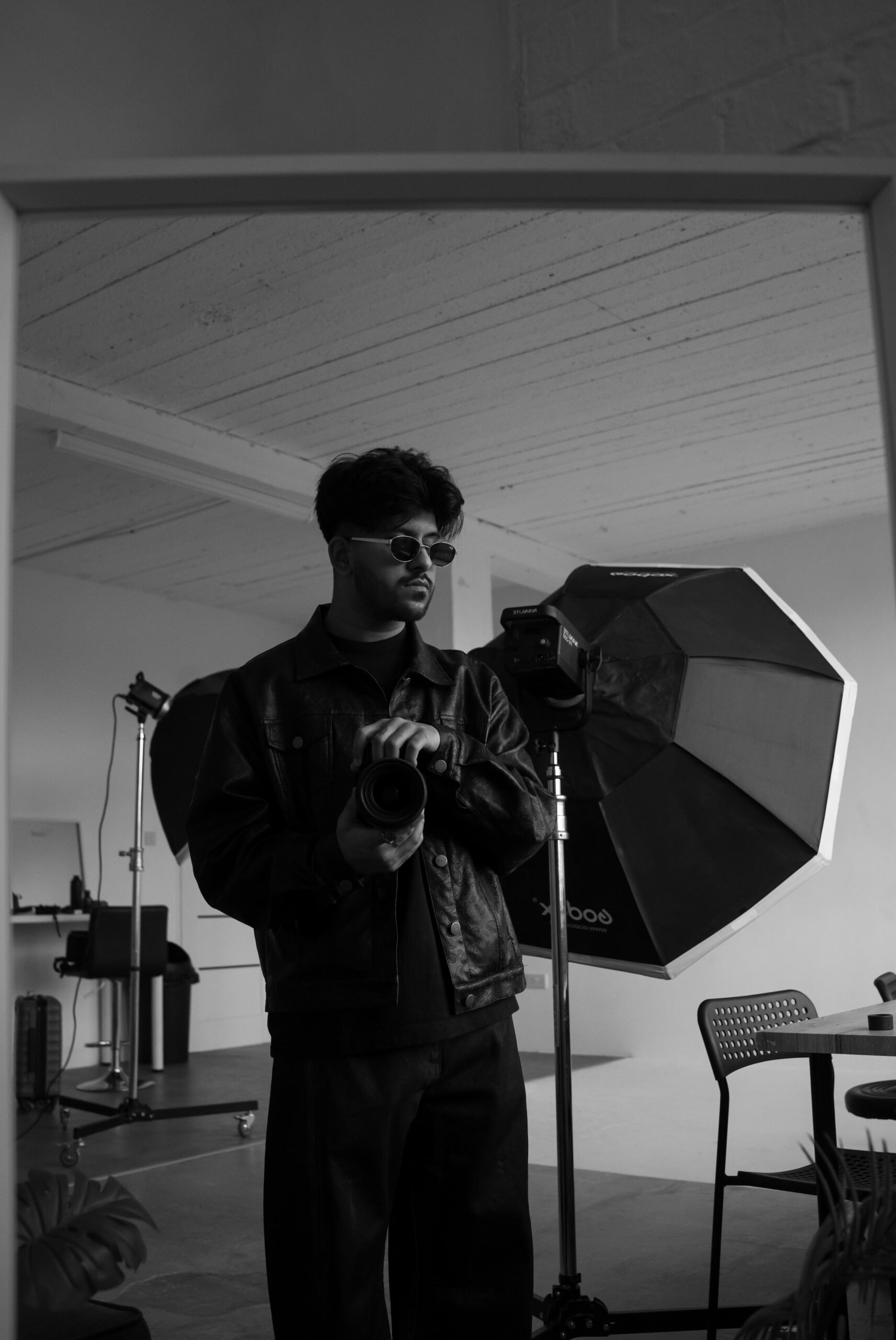
Now working professionally as a photographer and videographer, Imran said creativity became one of the ways he learned to process emotion and connect with people. His photography ranges from architecture and city life to wildlife, portraits and weddings. What draws him most, however, are real and emotionally honest moments.

“These days I really enjoy taking photos of architecture, landscapes of places I visit, city life because it’s never the same thing every day,” he said. “Wildlife and proposals and weddings are also something I’m passionate about capturing.”
Behind the camera, he says, he often finds himself drawn to vulnerability, emotion and human connection, qualities he believes were shaped directly by his experiences growing up.
“I think my childhood and experiences, in the long run, made me a lot more empathetic, open and accepting of vulnerability and developing the habit of looking at things from a different perspective,” he said. “It’s something I carried into my work as I always try capturing what I consider art or happy and real moments in wildlife, street, portrait and event photography. I think empathy can be a really powerful thing.”
That empathy, he said, also changed the way he understands the importance of fostering.
Imran officially left care in March 2026, but still maintains strong relationships with the people who supported him throughout his childhood and adolescence. He also continues to receive support from Newham Council’s leaving care team.
Imran has worked regularly with Newham Council as an event photographer, an opportunity he says helped him build confidence and establish himself professionally.
“In terms of employment as well, I’ve done a lot of regular events with Newham Council as their event photographer so that’s been big for my career,” he said.
One assignment in particular became one that he will always remember.
Last year, Imran was photographing Newham’s awards ceremony for foster carers, an event celebrating the very people who had shaped his own childhood. Among the audience were his foster carers.
“I have a bad habit of sometimes overthinking and spiralling a bit when I’m stressed or burnt out and it’s easy to forget about the good times,” he said. “But one moment when I thought they really care was last year photographing Newham’s awards ceremony for foster carers and having them there and saying they’re proud of me is something that I’ll hold onto.”
For a moment, the event stopped being simply another photography job. It became a reminder of how far he had come from the child who once felt he had no safe place to go.
“Throughout adolescence it was always little moments like that,” he added.
Imran said his foster carers were new to fostering when he first arrived.
“I was the first foster child for my foster carers, so I also got to see them grow as foster carers,” he said. “They even won an award for it.”
Looking back now, he believes one of the biggest misconceptions people have about children in care is how deeply small acts of compassion can shape a young person’s future. In a press release for Newham Council, he said that:
“Kids need kindness because you never know, one sentence or one action could massively impact and change their life. If they have even one positive influence in their life, by just giving them support, a shoulder to cry on, self-belief and confidence, they can do whatever they want in life and the rest is history.”
His story comes as councils across London continue facing increasing demand for foster carers, with many local authorities urging more residents from different cultural and ethnic backgrounds to come forward so children can remain connected to their communities, identities and cultures while in care. Recent statistics from the Fostering Network UK estimated that more than 6,000 new foster families will be needed in the next 12 months across the UK, with 10% of foster families retiring or resigning every year.
Newham Council is encouraging more local residents to consider fostering.
“It’s a nationwide issue; more foster carers are needed across the country not just in Newham. We are trying to actively encourage more local residents to come forward.” Said a Newham council spokesperson.
But for Imran, the impact of fostering is not best understood through figures or incentives. It is found in quieter moments: patience during difficult years, someone choosing not to give up on a child, and hearing the words ‘we’re proud of you’ long after childhood has ended.


