

Muslim communities across the UK and around the world are preparing to celebrate Eid al-Adha, one of the most significant festivals in the Islamic calendar.
Also known as the “Festival of Sacrifice”, Eid al-Adha commemorates Prophet Abraham’s willingness to sacrifice his son, Ishmael, for the sake of God. According to the Quran, God stopped him before the sacrifice could take place and instead provided a ram to be sacrificed.
Eid al-Adha is the second major Islamic holiday of the year and takes place following Eid al-Fitr, which marks the end of Ramadan. The dates are determined by the Islamic lunar calendar, which is used to calculate Islamic months and religious celebrations.
The festival falls during the sacred month of Dhul Hijjah, one of the holiest periods in Islam and the same month in which millions of Muslims undertake Hajj in Saudi Arabia.
The significance of Dhul Hijjah
The first 10 days of Dhul Hijjah are considered especially sacred for Muslims and are viewed as an opportunity for increased worship, reflection and repentance.
Many Muslims choose to fast during the first nine days of the month, although unlike Ramadan, fasting is not compulsory. Fasting is particularly encouraged on the ninth day, known as Yawm al-Arafah, which marks the day Muslims believe God perfected Islam and approved it as a complete way of life.
While Muslims may fast during the first nine days, fasting is forbidden on the 10th day of Dhul Hijjah, when Eid al-Adha begins.
How Muslims prepare for Eid al-Adha
Ahead of Eid, Muslims spend time preparing food, shopping for gifts and organising family gatherings.
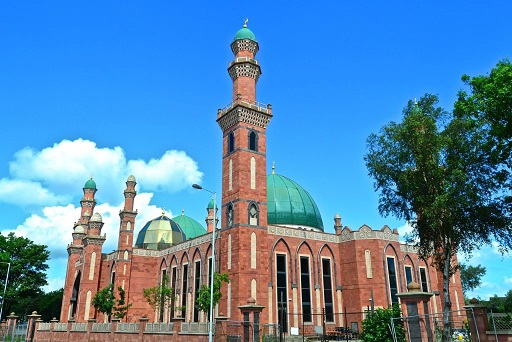
On the morning of Eid al-Adha, Muslims wake early to prepare for special congregational Eid prayers at local mosques and prayer grounds.
Many follow the Sunnah, the traditions and practices of Prophet Muhammad, which include taking a bath or shower before prayers, wearing their best clothes, applying perfume and reciting Takbeer, phrases praising God, on the way to Eid prayers.
It is also considered Sunnah to take a different route home after prayers.
Families and friends gather throughout the day to celebrate, share meals and exchange greetings of “Eid Mubarak”, meaning “Blessed Eid”. Children are often given gifts or money, commonly known in South Asian communities as “Eidi”.
What is Qurbani?
A central part of Eid al-Adha is Qurbani, meaning sacrifice.
The ritual reflects the sacrifice Prophet Abraham was willing to make and involves the slaughter of a permitted animal, such as a sheep, goat, cow, lamb or camel.
Islamic teachings state that the time for Qurbani begins only after the Eid prayer has taken place on the first day of Eid. Any sacrifice performed before the prayer does not count as Qurbani.
The meat from the sacrifice is traditionally divided into three parts:
- One-third for the needy
- One-third for relatives and friends
- One-third for the household carrying out the Qurbani
Many Muslims in the UK arrange their Qurbani through certified slaughterhouses that follow zabiha, the Islamic method of slaughter, while others donate through charities that distribute meat to vulnerable communities around the world.
A time of faith, sacrifice and community
For many Muslims, Eid al-Adha is not only a religious celebration, but also a reminder of faith, sacrifice, charity and supporting those less fortunate.
Mosques and community organisations across the UK are expected to host Eid prayers, community meals and charitable initiatives as families come together to mark one of the holiest occasions in Islam.
Wishing all our readers who celebrate a very Happy Eid or Qurbani


