

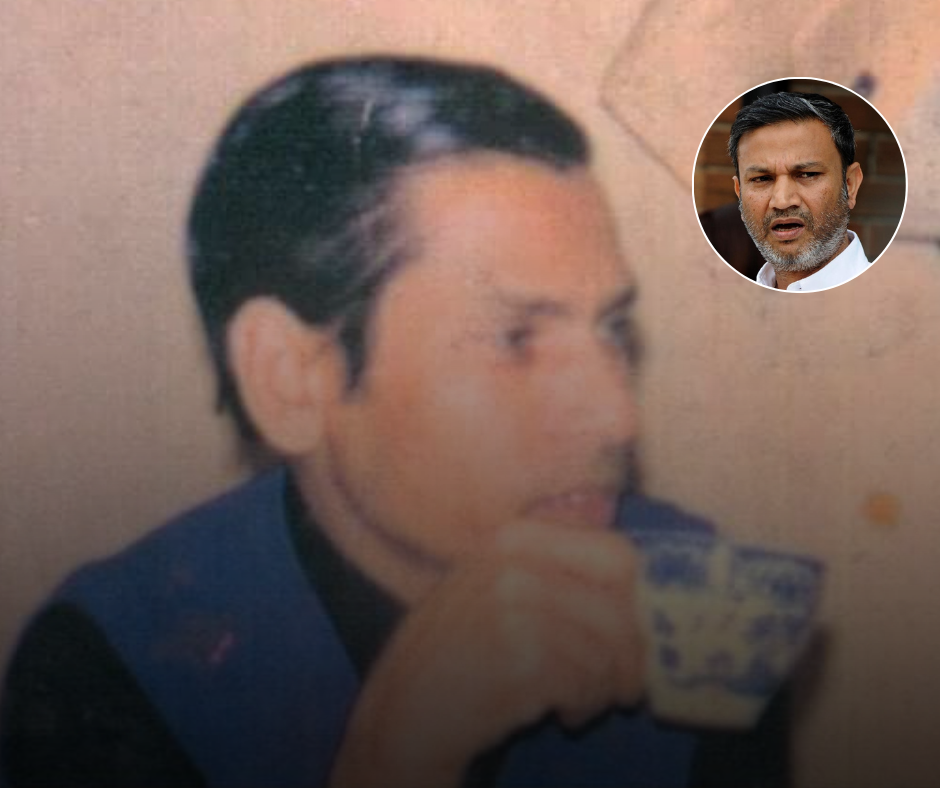
Former Newcastle Lord Mayor Habib Rahman has issued a stark warning about the rise of racism, Islamophobia and far-right politics in Britain as he marked the 49th anniversary of his father’s racist murder.
Rahman was just three years old when his father, Azizur Rahman, was killed while working at a restaurant in Wallsend in 1977.
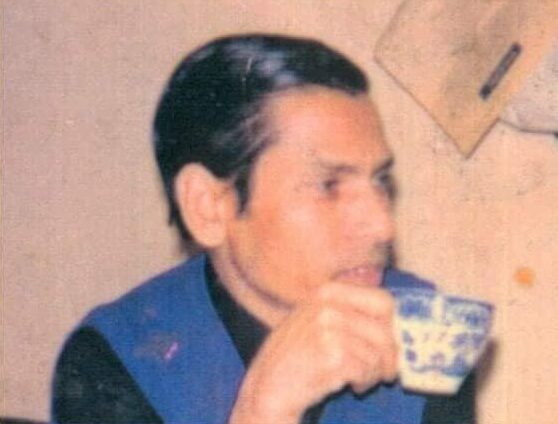
Nearly five decades later, the former Newcastle councillor and community activist says the anniversary is not only a painful personal reminder, but also a warning about what he believes is a growing climate of division and hostility across Britain.
In an emotional statement released on the anniversary of his father’s death, Rahman reflected on the impact the tragedy had on his family and the values his mother instilled in him following the killing.
“My mother became a widow at the age of 36,” he said.
“From that moment she dedicated her life to raising her sons to become law-abiding citizens, decent human beings who share love and never spread hate towards any of mankind.”
Despite the trauma, Rahman said his mother chose forgiveness over bitterness.
“She forgave the man who killed her husband,” he said.
“Her message was always clear: love for all, hatred for none.”
The experience would go on to shape Rahman’s life and public service career. Over the years, he became one of the North East’s most prominent anti-racism campaigners and community figures before making history as Newcastle’s first British Bangladeshi, first Muslim and first BAME Lord Mayor.
But while remembering his father, Rahman said he fears Britain may be entering another dangerous period.
“It feels as though the ghosts of yesterday are awakening once again,” he warned.
“I fear darker days ahead.”
Rahman drew comparisons between the racism faced by migrant communities in the 1970s and what he described as the growing normalisation of anti-migrant rhetoric and Islamophobia within modern political discourse.
Without naming individuals directly, he criticised what he called the “normalisation of division and scapegoating” and warned that increasingly hostile narratives around immigration, multiculturalism and refugees risk emboldening extremists.
“Racism and racist violence are not merely expressions of hatred,” he said.
“They are acts of terror. They spread fear, inflict deep and lasting pain, and threaten the very foundation of our shared humanity.”
Rahman also reflected on another racist killing that deeply affected him — the murder of community elder Khowaj Miah in 1992 after he was attacked while walking to mosque.
“That moment became a turning point in my life,” he said.
“It was the beginning of my own personal journey, a journey to eradicate hate.”
Rather than allowing anger to define him, Rahman said he chose a path of community activism, youth engagement and public service.
“I could easily have succumbed to hatred,” he said.
“But I could not abandon the values my mother worked so hard to instil in us.”
During more than a decade in public life, Rahman campaigned on issues including anti-racism, youth services, housing, community cohesion and international human rights causes including awareness around the Rohingya genocide and Palestine solidarity.
Supporters have credited him with helping amplify the voices of minority communities across Newcastle and challenging discrimination within public institutions.
Although no longer in frontline politics, Rahman said his commitment to challenging racism remains unchanged.
“I promise this: I will continue to challenge every Islamophobe, every racist, and every form of hatred no matter who they are or how powerful they may be,” he said.
His statement ended with a deeply personal tribute to his late father.
“Forty-nine years of pain will never fade,” he wrote.
“But your spirit lives on through the lessons you taught, the love you gave, and the strength you left behind.”
For many across Newcastle’s diverse communities, Rahman’s story remains both a reminder of Britain’s painful history of racist violence and an example of resilience in the face of hatred.


