


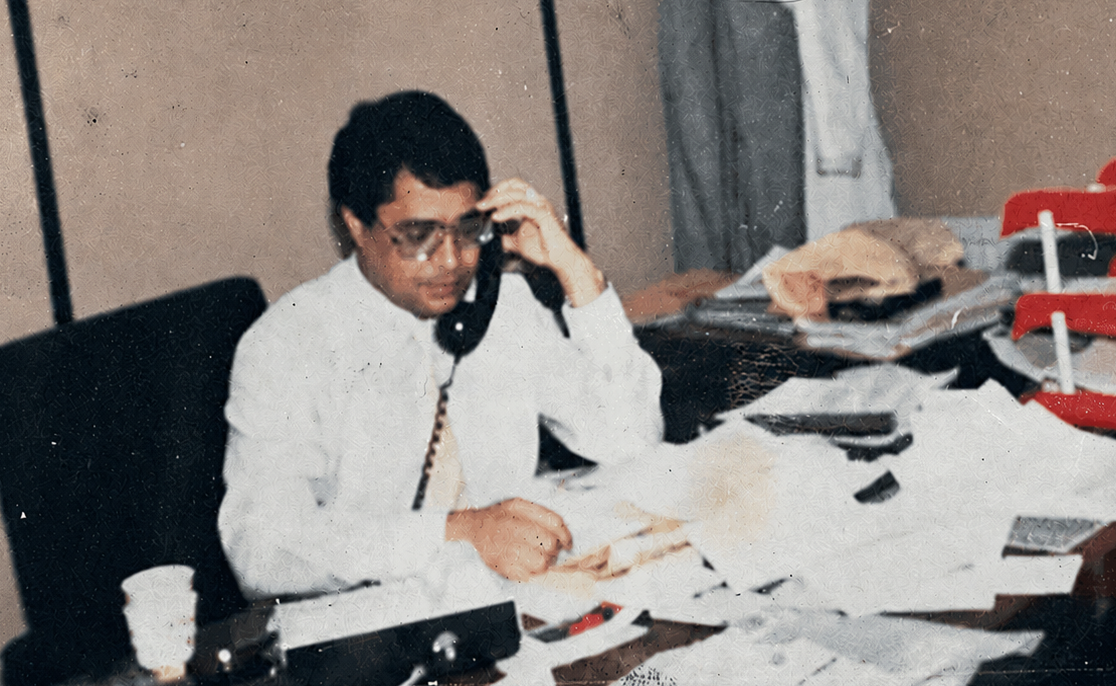
When Moni Varma reflects on his life, he doesn’t measure it in factories built, international expansion or the success of the rice empire he created.
Instead, he thinks about resilience.
The same resilience that carried him from Malawi to Britain, from the steel industry to food manufacturing, is the same resilience he now draws upon while facing one of the greatest challenges of his life.
Today, the entrepreneur behind one of Britain’s best-known rice brands has revealed he is living with blood cancer. Yet there is no sense of slowing down.
“I haven’t stepped back and I don’t plan to, but I have now got a problem with blood cancer,” he said.
“My mental faculties are still working, so I come in and work as much as I can or work from home sometimes.”
For Varma, the illness has not changed his focus. His attention remains firmly on the people who helped build Veetee, the future of the business and the next generation who will continue its journey.
It is a story that began decades earlier, with a young boy in Malawi watching his father work tirelessly to provide for his family.
The youngest of eight children, Varma remembers his father, an electrical engineer, stretching “every pound, shilling and pence” to create opportunities for his children.
Receiving an honorary doctorate from the University of Kent recently was a moment he never imagined possible.
“Nobody in that household would have predicted at that moment that something like this may happen,” he said. “That I would one day be conferred an honour of this magnitude.”
For the man who built one of Britain’s leading rice brands, the recognition represented far more than business success. It reflected a lifetime shaped by sacrifice, courage and an unwavering willingness to begin again.
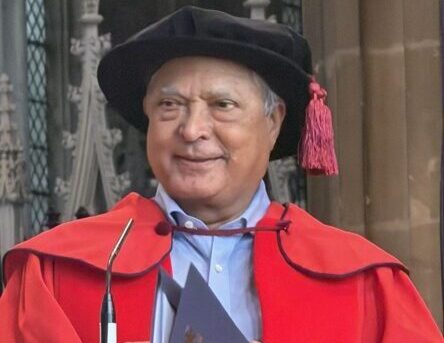
“I’m deeply honoured and, if I’m honest, it’s been quite overwhelming,” he said.
“I’ve spent much of my life in rooms full of rice, not in robes. I’ve received a lot of lovely messages from the community, and I am extremely grateful and proud.”
Varma’s journey has never followed a conventional path.
Born in India and raised in southern Africa, he arrived in Britain from Malawi in 1982 at the age of 30, leaving behind a successful career in the steel industry and a comfortable life.
The move was not simply a business decision. It was a leap into the unknown, encouraged by his wife.
“I had built a good life in Malawi, a family, a business, a seat at the table with presidents,” he said.
“Then my wife, with more foresight than I had, encouraged me to leave all of that and start again in a country where I knew almost no one.”
As a younger man, Varma had hoped to study law in Britain, but life had other plans. Instead, he worked in sales before moving into the steel industry.Looking back, he believes those unexpected turns shaped everything that followed.
“What matters is less the plan than the willingness to notice an opportunity when it appears and the courage to act on it, even when it means leaving something comfortable behind,” he said.
That philosophy eventually led him to establish Veetee Rice in 1987.
What began with just two employees has grown into one of the UK’s leading rice manufacturers.
Under Varma’s leadership, Veetee transformed the convenience food market, pioneering its Steam Filtered microwave rice process in 2005 and developing products that brought restaurant-quality convenience into busy households.
Today, the company operates manufacturing facilities in the UK, the United States and India, while continuing to explore further international expansion.
The business is currently considering a factory in Brazil, with markets including Korea, Indonesia and the Philippines also firmly on its radar.
“It does take time to expand,” Varma said. “We have factories in America, but we do want to grow further.”
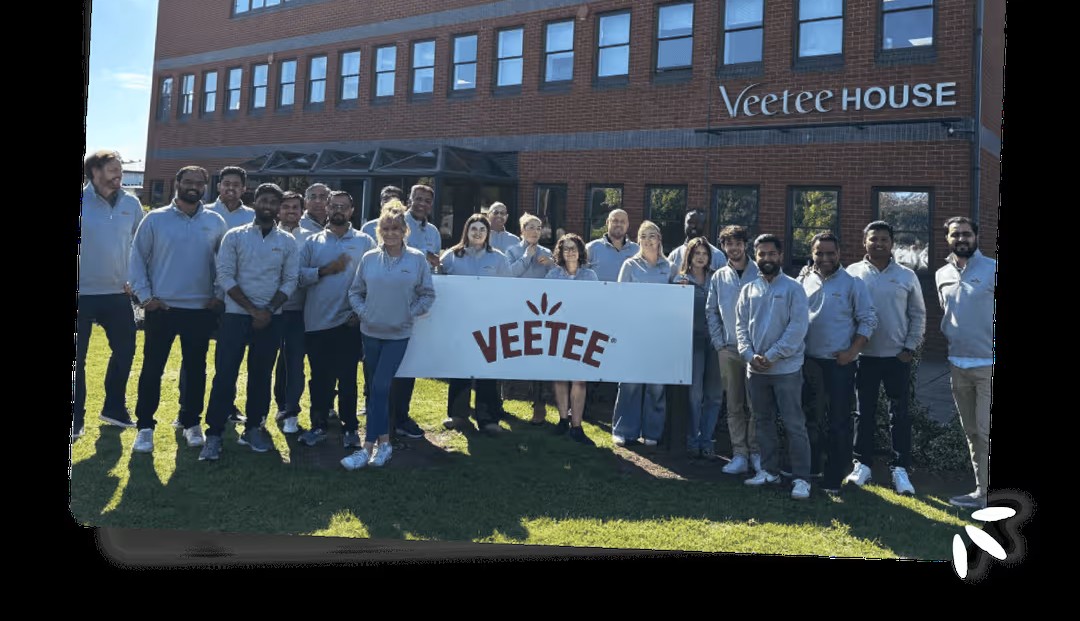
Despite Veetee’s international success, he still sees the company as a collective achievement rather than a personal one.
“Businesses are not built by the person whose name is on the door,” he said. “They’re built by the people who show up every day.”
When he founded the business, there were only two employees.
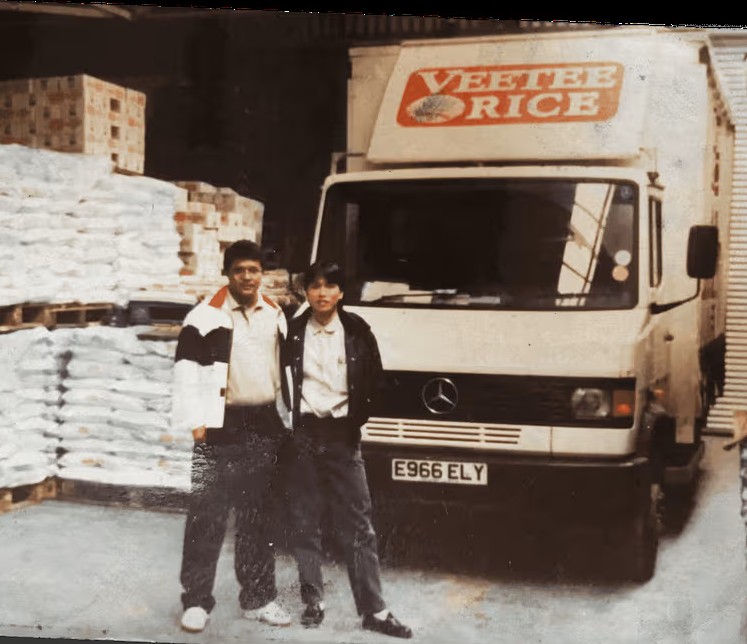
“Now we have over 1,000 and they are all passionate,” he said.
“I want the people who work for me to be passionate. Quality staff are very important, and I think our family of employees are amazing.”
“I can have an idea, but it’s the larger family, the other people, who are doing the job. I have a small role to play, and I have been very lucky.”
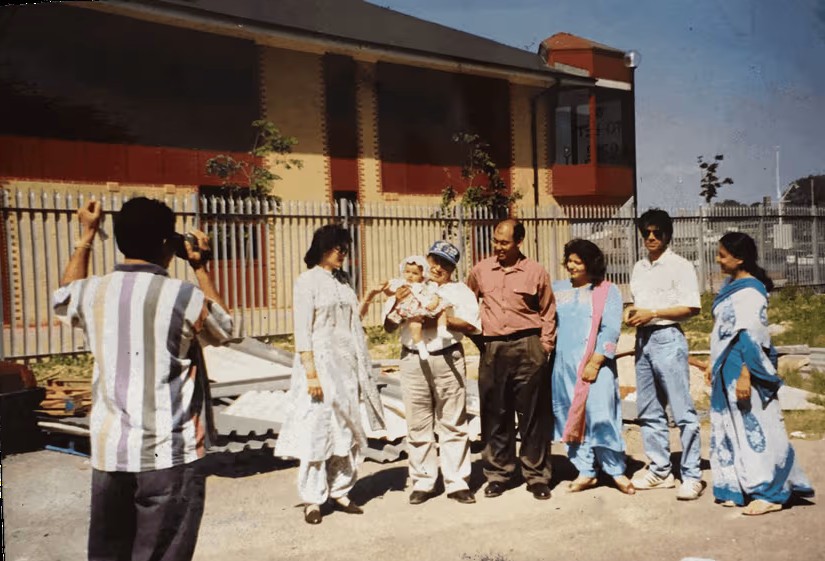
After almost 50 years in Kent, Varma believes the community that welcomed him has been instrumental in his success.
Receiving his honorary doctorate, he said, wasn’t simply personal recognition. It reflected the people and community who had supported him throughout nearly five decades.
“It’s ultimately a recognition to the people of Kent,” he said.
“I’m grateful. It’s a great honour. I’m humbled, and it just shows that if you create jobs for locals and support your community, then it works well.”
For Varma, food has always been about more than business.
Rice connects him to his childhood, his culture and memories of family.
That understanding has helped shape Veetee’s success, allowing the business to combine innovation with tradition.
The company has recently expanded into ready meals and meal kits, launching new ranges in Tesco and Waitrose as it continues to diversify.
“Ultimately, it’s innovation that means we can succeed,” he said. “That is very satisfying.”
Varma is the first to admit that success has never come without setbacks.
“We have had several decisions in India, for example, that didn’t quite go to plan,” he said.
“But even if we go off path, we always manage to rectify it.”
Like every entrepreneur, there have been sleepless nights.
“During those nights, you just have to keep thinking of solutions,” he said.
His advice is not to avoid risk, but to approach it wisely.
“I want everyone to shoot for the stars without taking silly risks.”
That same philosophy now guides him through his health battle. Rather than dwelling on what he can no longer do, he remains focused on the contribution he can still make.
Today, his son, Rajiv Varma, serves as CEO, leading Veetee into its next chapter of growth.
“If my son can take 1,000 employees and turn that into 10,000 employees, that’s great,” he said.
But he is clear that the future of Veetee will never rest on one individual.
“My son is leading the show now. But of course, it isn’t just him. It’s the people who wake up every day and work for us with so much passion, and the community that supports us.”
As he watches the next generation take the business forward, Varma remains remarkably optimistic. His focus is no longer on how far Veetee has come, but on how far it can still go.
“My own path has changed constantly,” he reflected. “From law to sales, to steel, to rice; from Malawi to Medway. Each bend taught me something new that the last one hadn’t.”
It is a journey that nobody in that busy family home in Malawi could ever have predicted. Yet for Moni Varma, the greatest legacy is not the global business he built, but the opportunities it will continue to create for future generations.
Even while facing blood cancer, his determination remains unchanged.
The resilience that carried him across continents, through industries and into boardrooms around the world continues to define him today.
For the founder of Veetee Rice, the future is still something worth building.


