

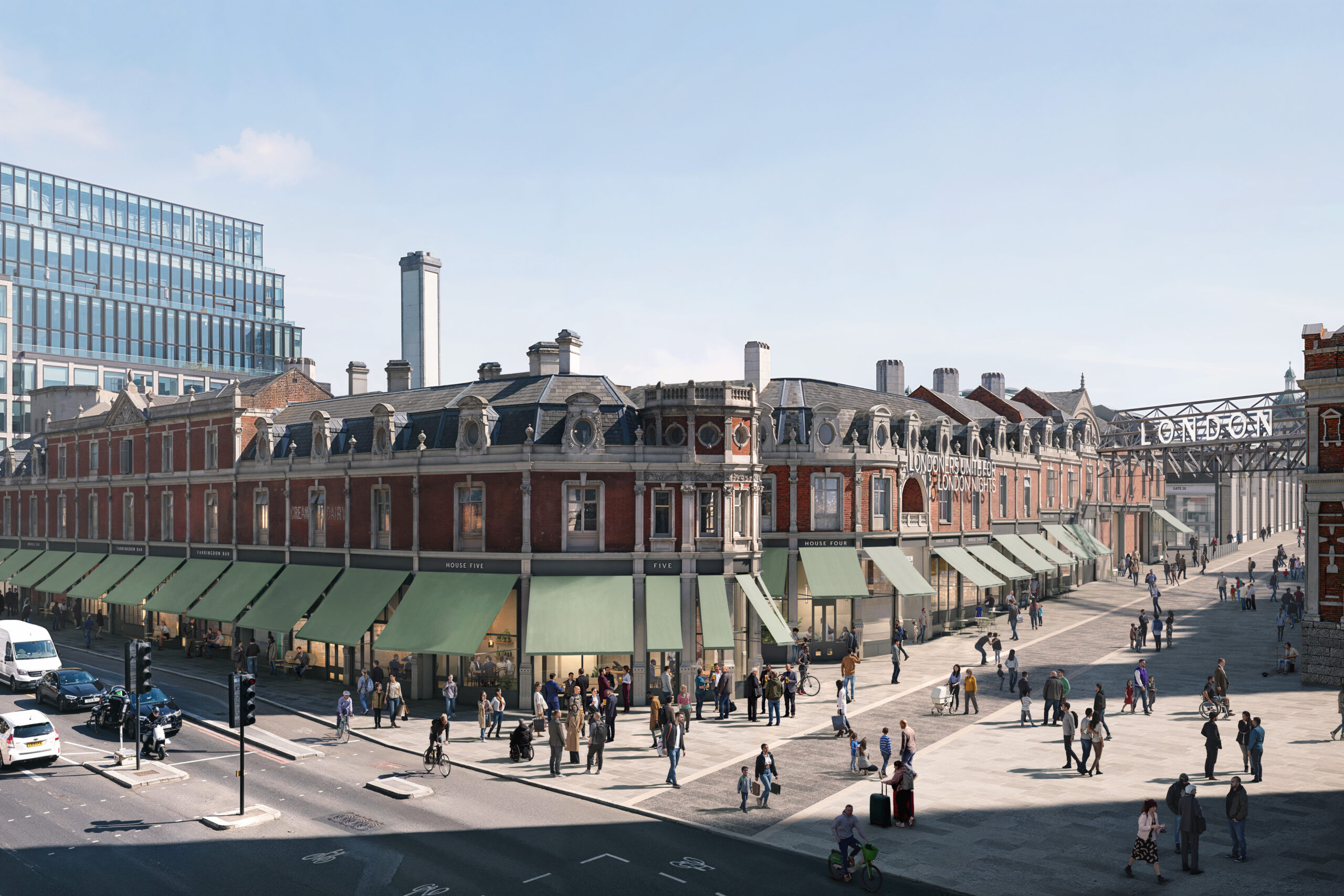
The London Museum has been granted a licence enabling extended opening hours as it prepares to welcome visitors to its new home later this month.
The museum is due to open on November 28 following a decade-long refurbishment of Smithfield’s iconic Victorian General Market.
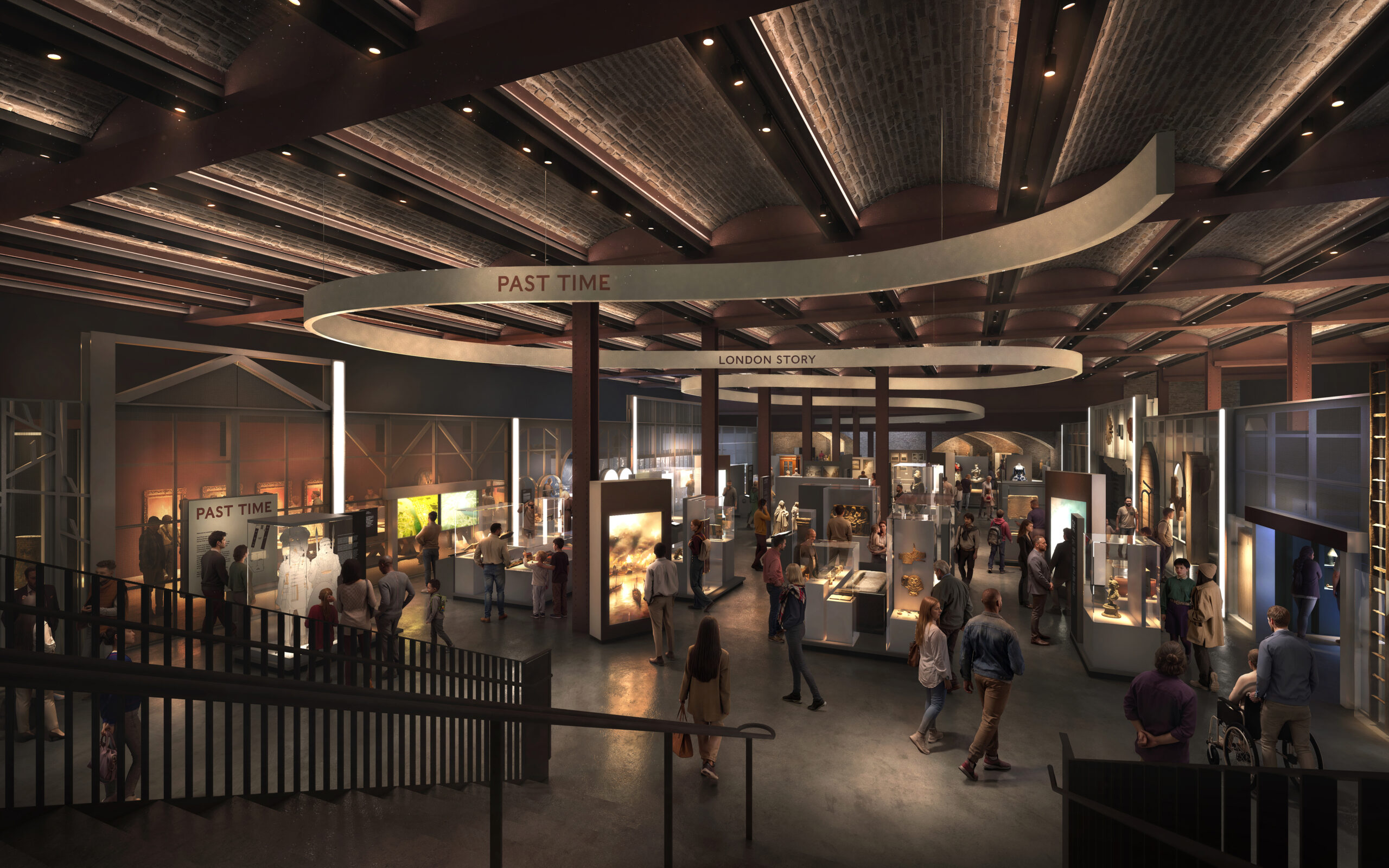
The building, which has been empty since traders moved out in the 1990s, will be divided into three distinct areas: Real Time, Our Time and Past Time.
The museum will feature a combination of permanent displays and temporary events, delivered with partners including Fabric nightclub and Morley’s chicken shop. Its opening has been described by Lord Sadiq Khan as “proof that our city is the cultural capital of the world”.
The neighbouring Poultry Market is expected to open in 2028.
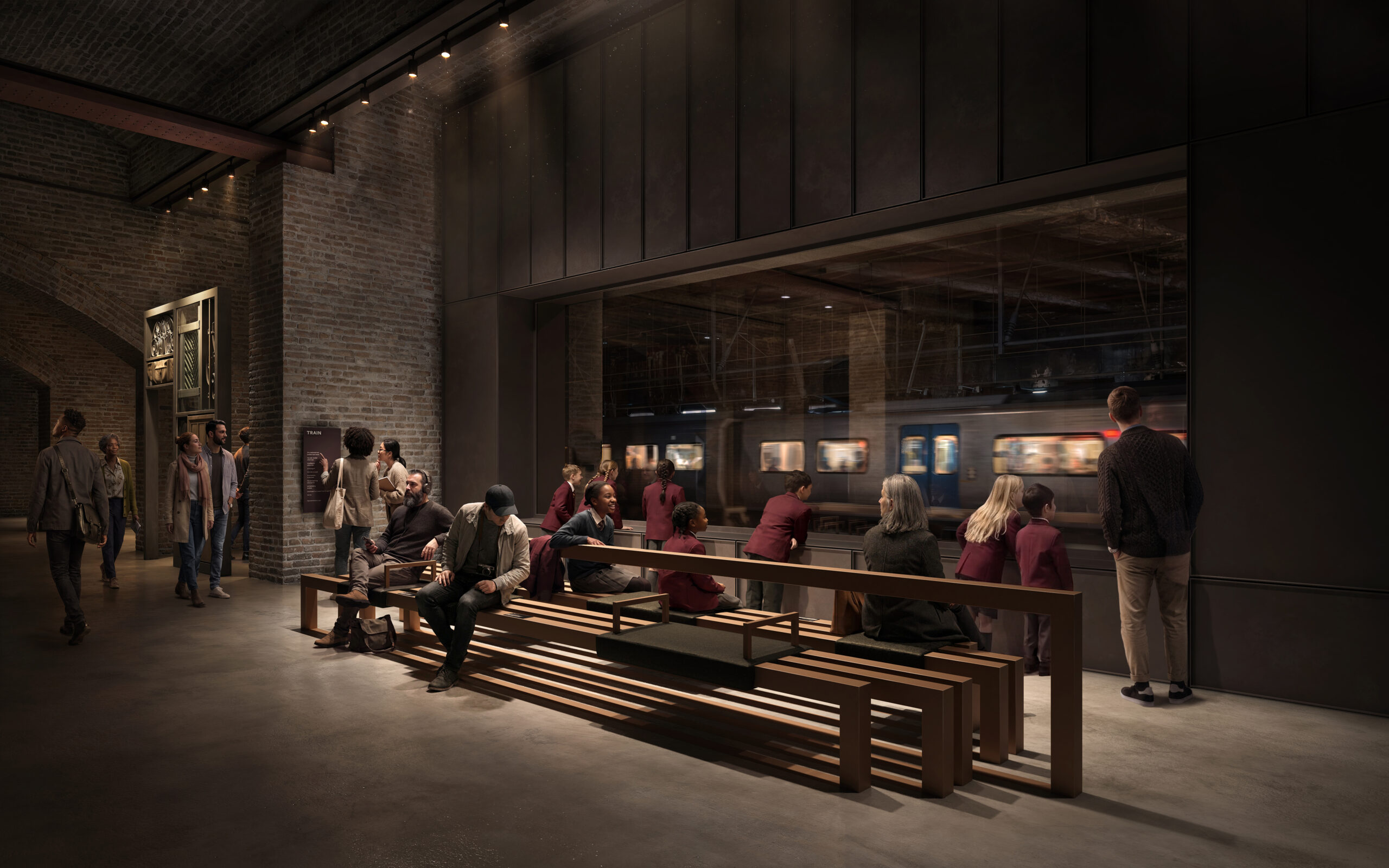
Ahead of the November opening, the London Museum applied to the City of London Corporation for a licence covering a range of event spaces, cafés, bars and restaurants.
The museum sought permission to host performances, including plays, films and live music, and to sell alcohol for consumption on and off the premises 24 hours a day, Monday to Sunday. Late-night refreshment was also requested until 5am.
Cameron Leslie, Co-Founder and Director at Fabric, was one of five people to write in support of the plans.
“London Museum will soon become one of the city’s genuinely important cultural institutions, and the restoration of the Victorian General Market – derelict and closed to the public since the early 1990s – is exactly the kind of regeneration this part of the City needs,” they wrote.
“Bringing a magnificent but neglected building back into public and cultural use, as a social and cultural hub connecting the museum’s collection with London’s communities, is a significant public good. I can think of few better outcomes for that site.”
The Greater London Authority was also among the application’s backers, although one resident raised objections.
Greg Callus expressed concerns about the proposed 24-hour alcohol sales, the scale of late-night events and the fact that the intention for off-sales to be limited to the Museum Shop, as he had been told, was not included in the plans.
He said: “As someone who has managed an off-license as a licensee in years past, off-premises sales require a certain type of training and management. Staff need to be trained in preventing under-age and other unlawful sales; they need to be under the direct supervision of the licensee (even if they primarily run the Bar rather than the shop) including when the shop is open but the Bar is not.
“They cannot assume the same age checks which would apply to a bar apply to the museum shop. Importantly, there are not to my knowledge any premises selling for consumption off the premises after 2300 in this area. Nor do there need to be.”
Mr Callus initially proposed three conditions to address his concerns, including limiting on-premises alcohol sales to bars and restaurants at earlier hours than those applied for, and restricting off-sales to the shop.
However, when he addressed the City of London Corporation’s Licensing Sub-Committee, Mr Callus said he supported the museum’s plans and its ambition to operate as a 24-hour venue.
He said that, following discussions with the museum, only one of his initial concerns remained: the proposed hours for on-premises alcohol sales.
Mr Callus amended his proposal, suggesting that alcohol should not be sold after midnight during the week and 2am at weekends. He told committee members that living in central London required a degree of tolerance.
“You should tolerate a certain degree of public nuisance. People will throw up on your garage door from time to time, people will urinate in your doorway from time to time. Such are the facts of living in Zone 1. It is a privilege to live here.”
Mr Callus also warned that such a late-night licence could create challenges in getting people away from the museum’s immediate surroundings. He questioned whether granting a 24-hour licence from the outset would be wise.
Alun Thomas, representing the museum, said the application was intended to cover both day-to-day operations and its wider programme of cultural events.
He said each event would have a bespoke risk assessment and that, from a transport perspective, the museum was ideally located.
On whether a 24-hour licence was appropriate for the area, Mr Thomas pointed to Fabric as proof that it could be effectively implemented and enforced.
“So there is the start of your evidence base,” he said. “Fabric, in this location, 24 hours, large capacity, doesn’t cause a problem. So the question is whether there is any likelihood that our proposal will undermine the licensing objectives.”

Mr Thomas told members that without the 24-hour licence, the museum would be operating “in the dark” when planning its programme of cultural events.
“It shouldn’t be a why,” he said. “It should be a why not.”
Committee members did not make a decision at the meeting, although the Local Democracy Reporting Service (LDRS) understands that the application has since been approved.
A London Museum spokesperson said: “In our new home, we set ourselves the ambition to be just like London, with extended opening hours fitting for a 24-hour city. With markets, a hospital, and nightclub nearby, Smithfield is active around the clock, and this license gives us the opportunity to create great moments for people to experience the museum, whatever their shift or schedule.
“We look forward to opening later this month and creating a brilliant new cultural destination for the capital.”


