

People living with the debilitating neurological condition Myalgic Encephalomyelitis (ME) have urged Kirklees Council to improve support, warning that care has “not changed for 15 years”.
Concerns were raised during the council’s Health and Adult Social Care Scrutiny Panel on Wednesday, 22 July, where members reviewed how services are supporting people with ME following updated national guidance.
The chronic condition causes symptoms such as Post-Exertional Malaise, in which even simple activities (like taking a shower or concentrating on a task) can trigger a severe, prolonged flare-up of fatigue and pain that can last days or weeks.
During the meeting, questions were posed regarding a series of reports which were considered to be failed to reflect the reality experienced by people living with the condition and highlighted significant gaps between national guidance and local services.
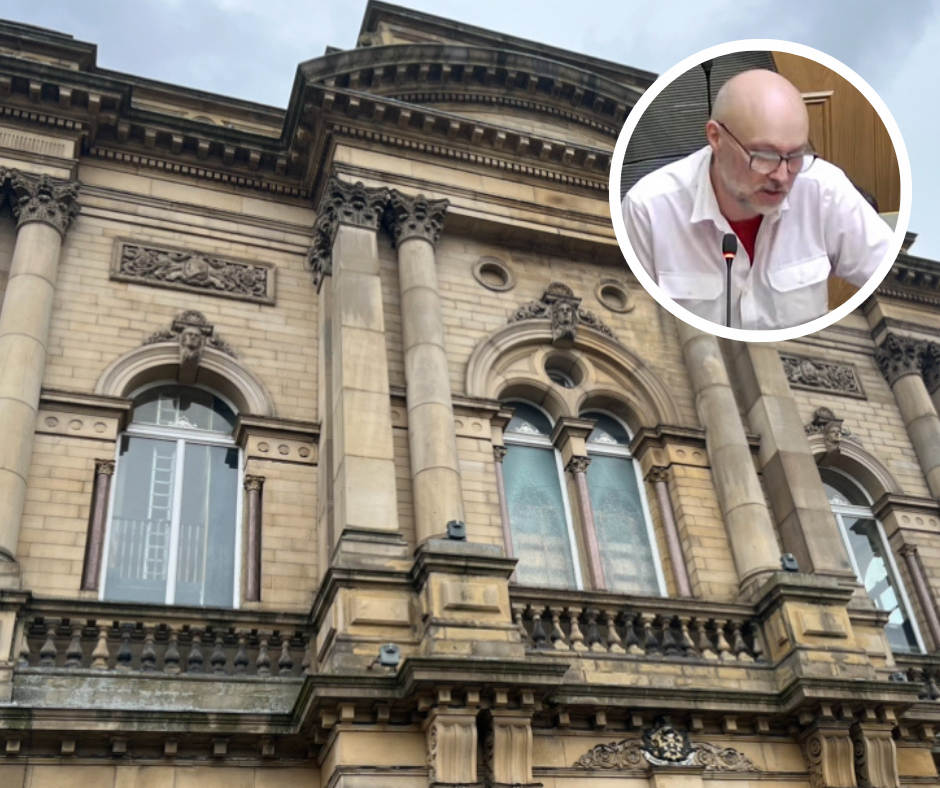
Dr Dylan Murphy, campaign manager for an ME support group covering Calderdale and Kirklees, told the panel he had been living with the condition since being diagnosed in 2010. He said there was little evidence that healthcare professionals were receiving sufficient training and claimed staff in Huddersfield’s A&E would not know how to treat him if he attended hospital.
His concerns were echoed by Conservative Cllr Bill Armer, who described ME as a “debilitating” condition and said support had historically amounted to little more than giving patients a diagnosis. “From what I have heard today, not much progress in the last 15 or 16 years,” he told the meeting.
Campaigners also criticised the terminology used within council documents, arguing that referring to services as “Chronic Fatigue” support was outdated and discriminatory.
Responding to the concerns, Vicky Dutchburn, Interim Accountable Officer for the Kirklees Integrated Care Board (ICB), acknowledged that progress had not been fast enough. She said: “I think we are recognising from today that the developments for supporting ME have not been as fast and progressive as some other conditions. It has not progressed far enough. It doesn’t mean we can’t do more.”
Ms Dutchburn explained that while guidance is available, training for healthcare professionals is not mandatory.
Following the discussion, panel chair Cllr Akhtar Kasia recommended that national guidance and information should be more widely shared with healthcare professionals.
The scrutiny panel also called for closer collaboration across primary care services to reduce gaps in support for the estimated 1,900 people living with ME in Kirklees, with a further progress report to be brought back to councillors.


