


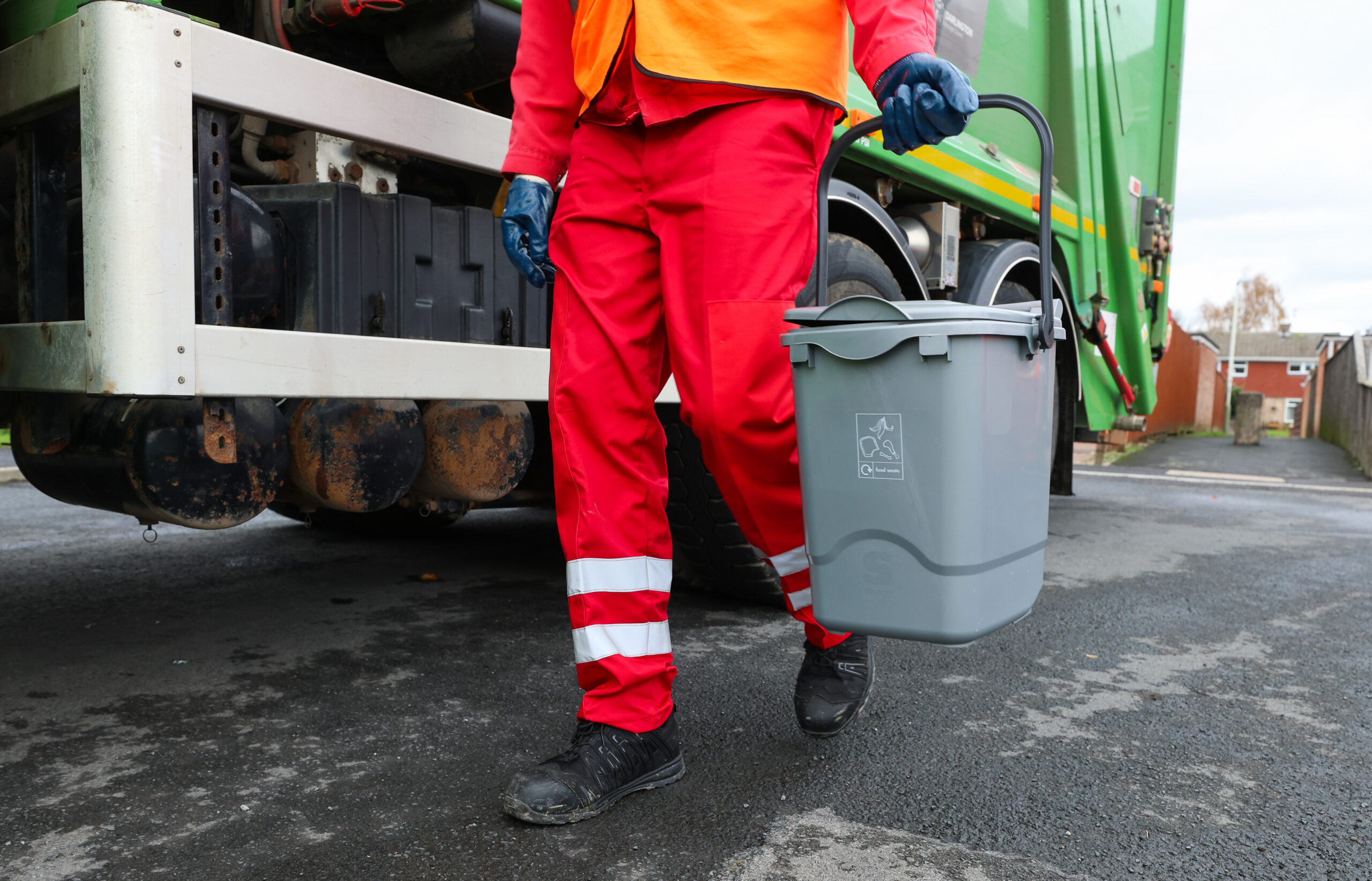
Residents across Darlington are being reminded they do not need to buy biodegradable liners for their food waste caddies, with the council saying ordinary plastic bags, bin liners and even newspaper can be used instead.
Darlington Borough Council said households can reuse everyday plastic bags, including bread bags and small bin liners, once the free supply of biodegradable liners provided with their caddies has run out.
The authority explained that plastic bags are removed during the food waste treatment process, while newspaper can also be used to line caddies. However, it warned that outdoor food waste bins lined with newspaper may need cleaning more regularly to prevent unpleasant smells.
The reminder follows feedback from some residents who said they were not regularly using the borough’s weekly food waste collection service because they only produced small amounts of food waste.
The council said even small quantities can be recycled. In a message to residents, it said: “Some of you have told us you produce very little food waste, so don’t regularly use the new weekly recycling collection service.
“Don’t forget, tea bags, coffee grounds, meat and fish bones, plate scrapings and peelings can all be recycled. Even if you have only a small amount of food recycling, please put your bin out for collection each week – every little helps divert waste from landfill.”
The council said increasing amounts of food waste were now being collected each week instead of being sent to landfill.
Collected food waste is processed to generate renewable energy that powers homes and businesses, while the remaining material is turned into fuel and fertiliser for farms.
Darlington’s weekly food waste collection service was introduced in June after every household received a food waste bin, kitchen caddy and recycling bags.
The scheme forms part of a national government programme aimed at increasing recycling rates and reducing contamination. Darlington Borough Council received £1.5 million in government funding to purchase specialist collection vehicles for the service.
Most households in the borough now use up to six separate bins and containers for waste and recycling.
The council has also warned residents to ensure only the correct items are placed in recycling bins, as contaminated waste can spoil an entire collection vehicle. Households that repeatedly recycle incorrectly may receive contamination warning stickers.


