


London is facing a growing shortage of burial space, with 17 local authorities predicted to run out of capacity within the next 15 years.
Three boroughs, Camden, Hackney and Tower Hamlets have already run out of burial space, according to City Hall’s Audit of London Burial Provision. The figures have prompted calls for Mayor Sadiq Khan to use his convening powers to bring councils, cemetery operators and faith communities together to develop a London-wide plan.
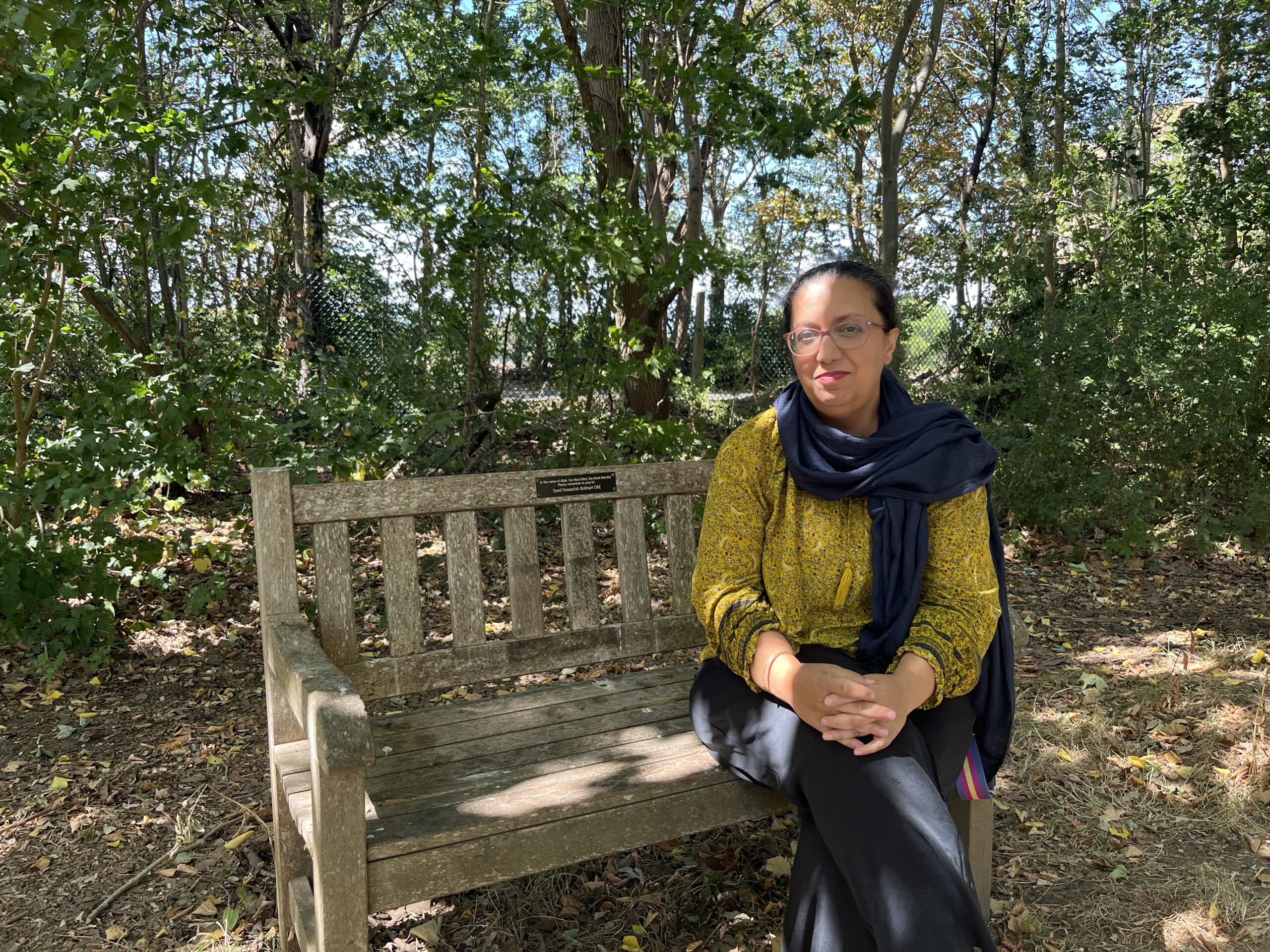
Liberal Democrat London Assembly Member Hina Bokhari said the issue had reached a “real crisis point” and warned that families could eventually struggle to find a place to bury relatives close to where they live. The shortage is expected to become more pressing as London’s population ages.
Office for National Statistics projections indicate that the proportion of London’s population aged 65 and over is expected to reach 40.9% by 2040.
The City Hall audit found that many boroughs, particularly in inner London, are either approaching capacity or have no burial space remaining.
Nine of the 25 boroughs that responded to the audit said they already relied on provision outside their boundaries because of limited open space for cemeteries.
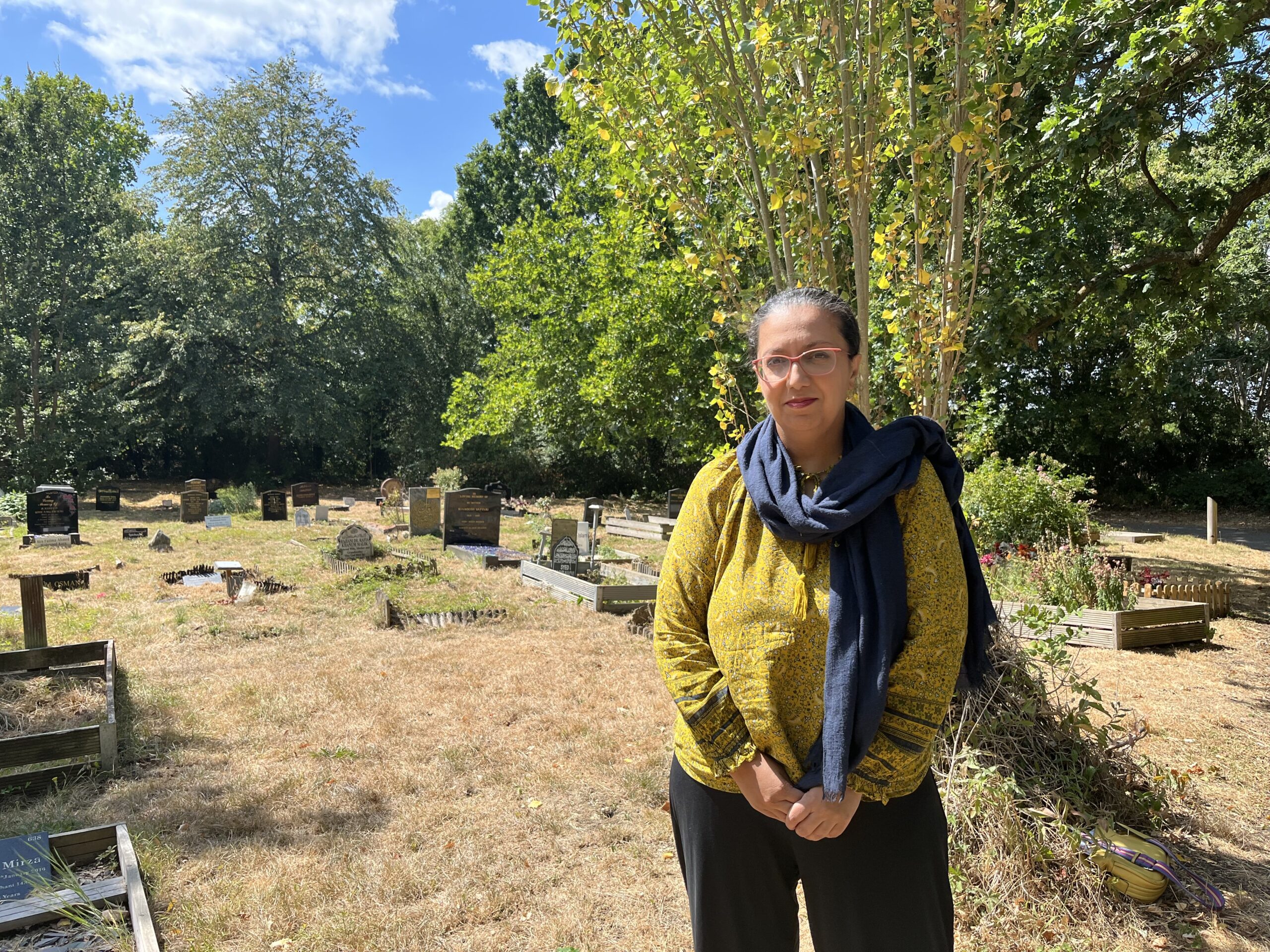
Ms Bokhari said the findings showed the need for a coordinated approach rather than individual boroughs trying to address the problem separately. She said “There is a real crisis point now that if we don’t face this issue now, there will be families at an increasing rate that are going to have the most devastating news of their loved one passing away, but then finding out that they can’t actually bury their loved one where they live.”
Ms Bokhari said the Mayor could bring together boroughs, cemetery operators and faith communities to work out how future burial provision should be managed. She said: “He can use his convening powers to bring in the cemeteries, to bring in faith communities, to bring in boroughs, to work on the process of getting that plan, to have a concrete way forward.”
She added that waiting another 15 years could leave London facing an even more serious shortage.
The draft London Plan, the Mayor’s new spatial development strategy, includes a section on burial space and calls on boroughs to plan for the “expansion, re-use and long-term provision of burial space to meet future demand”.
It suggests a number of ways councils could increase capacity.
These include reusing graves that are more than 100 years old and creating deeper graves that could accommodate multiple burials. The
plan also identifies Green Belt and so-called “grey belt” land as potential options for additional cemetery space.
However, Ms Bokhari said using Green Belt land should not be the first option considered. She said boroughs should first examine their existing cemetery land, surrounding areas and other council-owned land that could potentially be used for burial provision.
“I welcome the fact that he’s recognised the issue,” she said.
“I welcome the fact that there is an idea put forward. I think the Green Belt solution is something way down the list, though.”
She said councils should first establish what capacity could be created within their existing land before looking towards protected areas.
The issue has also reached Parliament.
Liberal Democrat peers in the House of Lords have introduced legislation that would require councils to plan ahead and monitor burial capacity before it runs out. At present, councils have powers to provide and maintain cemeteries but are not legally required to provide burial space.
The proposed legislation would require guaranteed burial ground provision to be considered within local development plans.
Ms Bokhari said the shortage was an issue that needed to be addressed before it became an emergency.
She compared the situation with social care, arguing that difficult subjects can be overlooked until they begin affecting large numbers of people.

She said: “At some point, it’s going to be so prevalent that you cannot ignore it. So it’s important that we talk about it now.”
The Mayor’s office said the draft London Plan already recognised the need for boroughs to work together on future burial provision.
A spokesperson for the Mayor said: “The draft London Plan makes clear that boroughs should plan pro-actively and collaboratively for the expansion, reuse, and long-term provision of burial space.
“In doing this, it’s important that they recognise cultural and faith needs.”
The spokesperson added that councils should use the Audit of London Burial Provision to help develop local policies and plan for future burial needs.
With 17 boroughs potentially reaching capacity by 2040, the pressure is now on London authorities to decide where future burial space will come from – and how soon they need to start planning for it.


