

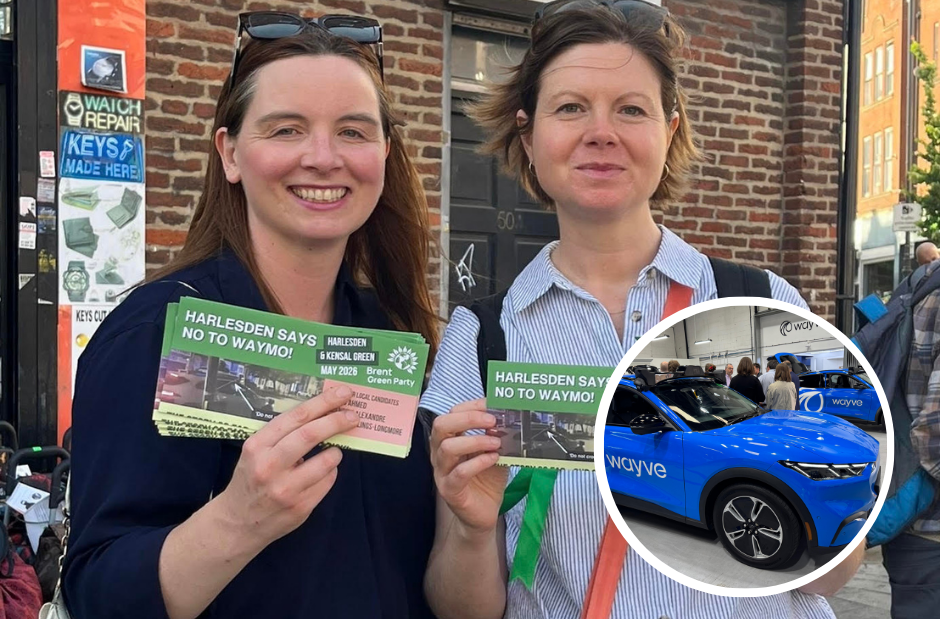
Plans to rollout ‘robotaxis’ in London have been delayed due to regulatory and technical hurdles, with Transport for London (TfL) yet to publish the necessary operating guidelines.
The move has been welcomed by campaigners in Brent, who earlier this year raised concerns about the impact driverless taxis would have on jobs, road safety and privacy.
In 2025, Transport Secretary Heidi Alexander moved forward the proposed timeline for commercial trials of driverless taxis by a year – with the announcement that they would start in spring of this year. However, progress has been delayed because the guidance companies wanting to offer the service must follow to win approval, has still not been published by TfL.
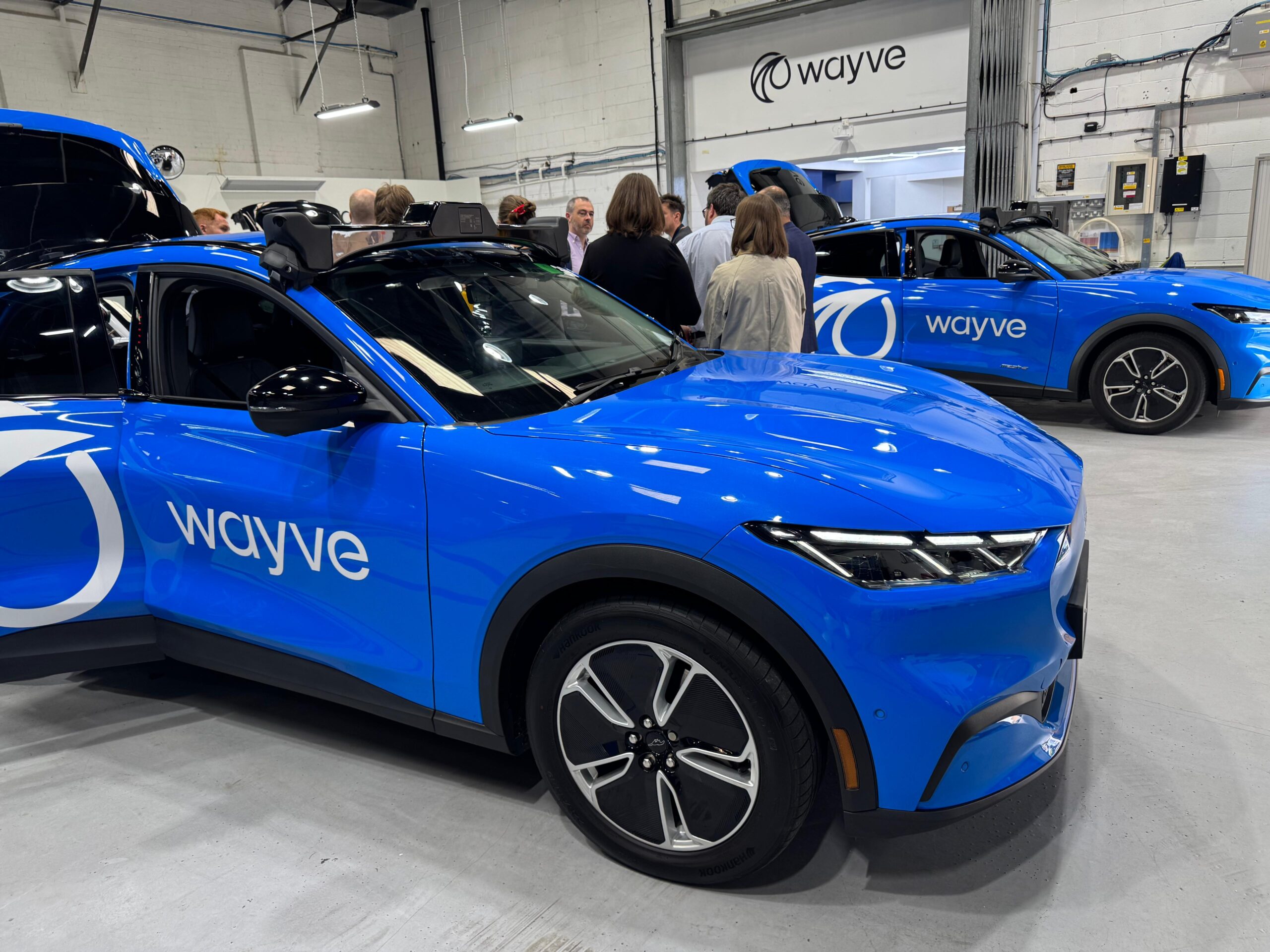
Earlier this year, Wayve and Uber were granted London’s first minicab licences to offer self-driving taxi rides to paying customers with a human safety driver in place – as more than 100,000 residents signed up for the waiting list. They are competing against Google-owned Waymo and Chinese company Baidu’s Apollo Go to launch the first service of its kind in the capital.
At the London Assembly’s Transport Committee meeting last month, the Director of Strategy for TfL, Christina Calderato, said that it would not be in a position to accept applications “for some time”. She added: “I do not think we are in a rush to get [the guidelines] out. There is a huge amount of work going on behind the scenes.”
Back in April, Waymo – whose UK depot is located in Park Royal, Brent – launched a pilot in London with the aim of operating a fully autonomous ‘robotaxi’ service later this year. However, concerns have been repeatedly raised over the technology following a series of incidents.
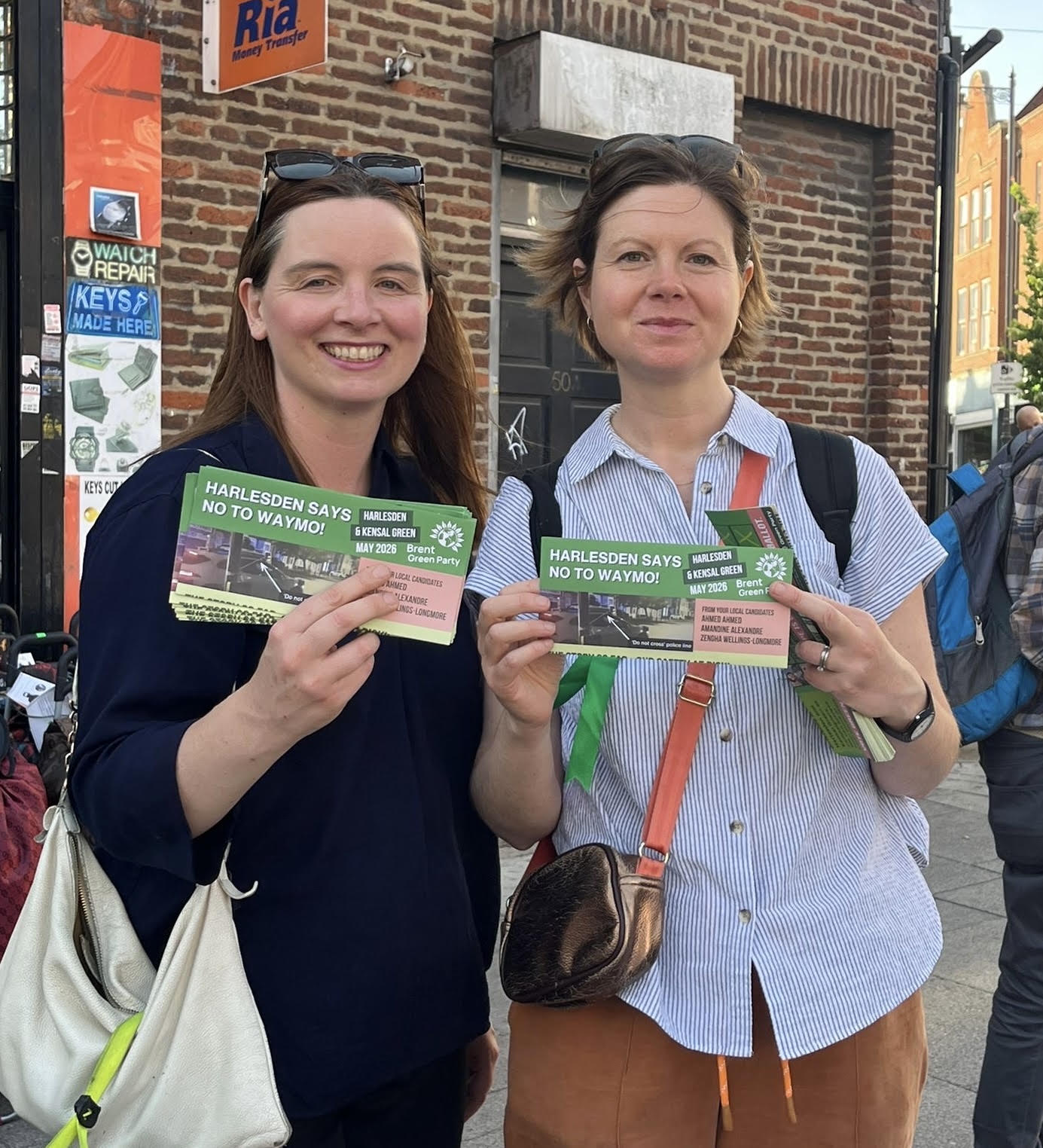
A Waymo vehicle veered into an active crime scene in Harlesden on 22 April, prompting two Green councillors to launch the campaign
against the continuation of the trial – including participating in a protest on Harlesden High Street.
Following the news, Green Party representative for Harlesden and Kensal Green, Cllr Amandine Alexandre, welcomed the delay of the rollout – calling it “a win” for Londoners who are opposed to the scheme.
Cllr Alexandre said: “This delay is a win for Brent Green Party, trade unions and all the people who have been lifting up the veil on the negative impact robotaxis would have on jobs, road safety, privacy but also the safeguarding of our children, and our environment.
“Londoners have a lot of issues to battle with day-to-day – a suffocating rising cost of living, unaffordable housing and extreme heat. Improving their quality of life and protecting their jobs, and their health, should be the priority of the Labour Mayor of London Sadiq Khan.
“AI-powered vehicles that generate tons of data stored in water and energy-hungry data centres are not the future of London. Londoners are the future of London.”
London is seeing a huge increase in data centre applications with dozens already in the pipeline. The sharp increase in demand for data storage is driven largely by the use of AI by individuals and businesses, as it requires a lot of computing power and can collect vast amounts of data that needs to be stored. Ealing and Hillingdon are among the hotspots for data centres as there are already a lot of them in certain parts of West London, which is putting a strain on local energy and water supplies.
A TfL spokesperson said that any rollout of autonomous vehicles “must be carefully managed” and support the aims of the Mayor’s Transport Strategy, including the management of congestion, and alignment with Vision Zero – the goal of eliminating all deaths and serious injuries from collisions in London by 2041.
The spokesperson added: “We are developing guidance, which will be issued shortly, that will support applicants looking to operate future services. To ensure the guidance is as rigorous as it can be and doesn’t conflict with advice from other authorities, we are taking into account the DfT’s recently published advice and the findings of the London Assembly’s scrutiny that took place over the summer, and continue to engage with operators expressing an interest in operating in London.
“The Automated Passenger Services permit is granted by the Government through the DVSA with TfL giving consent at the end of the process. It is our understanding that no operator has completed the first stage of the process, which is registering vehicles with the Vehicle Certification Agency, and no applications for a DVSA permit, or TfL consent to operate in London, have been received.”


