

For generations of South Asian women growing up in Britain, the faces selling beauty did not always look like theirs.
Foundation ranges could stop several shades too soon. South Asian skin tones and undertones were not always understood. Hair products were not necessarily created with different textures in mind, while conversations around pigmentation, facial hair and other concerns familiar to many women were often missing from mainstream beauty marketing.
Representation has undoubtedly changed.
Walk into a major beauty retailer today or scroll through TikTok and Instagram and there is a far broader spectrum of faces, skin tones and cultures than previous generations encountered.
But greater visibility has arrived alongside another phenomenon: unprecedented exposure to beauty itself.
Filters, cosmetic procedures, skincare routines, influencer culture and an endless stream of apparently flawless faces mean girls and women can now find themselves surrounded by messages about how they should look almost every time they pick up their phone.
It makes the conversation around representation in beauty about considerably more than simply who appears in an advertising campaign.
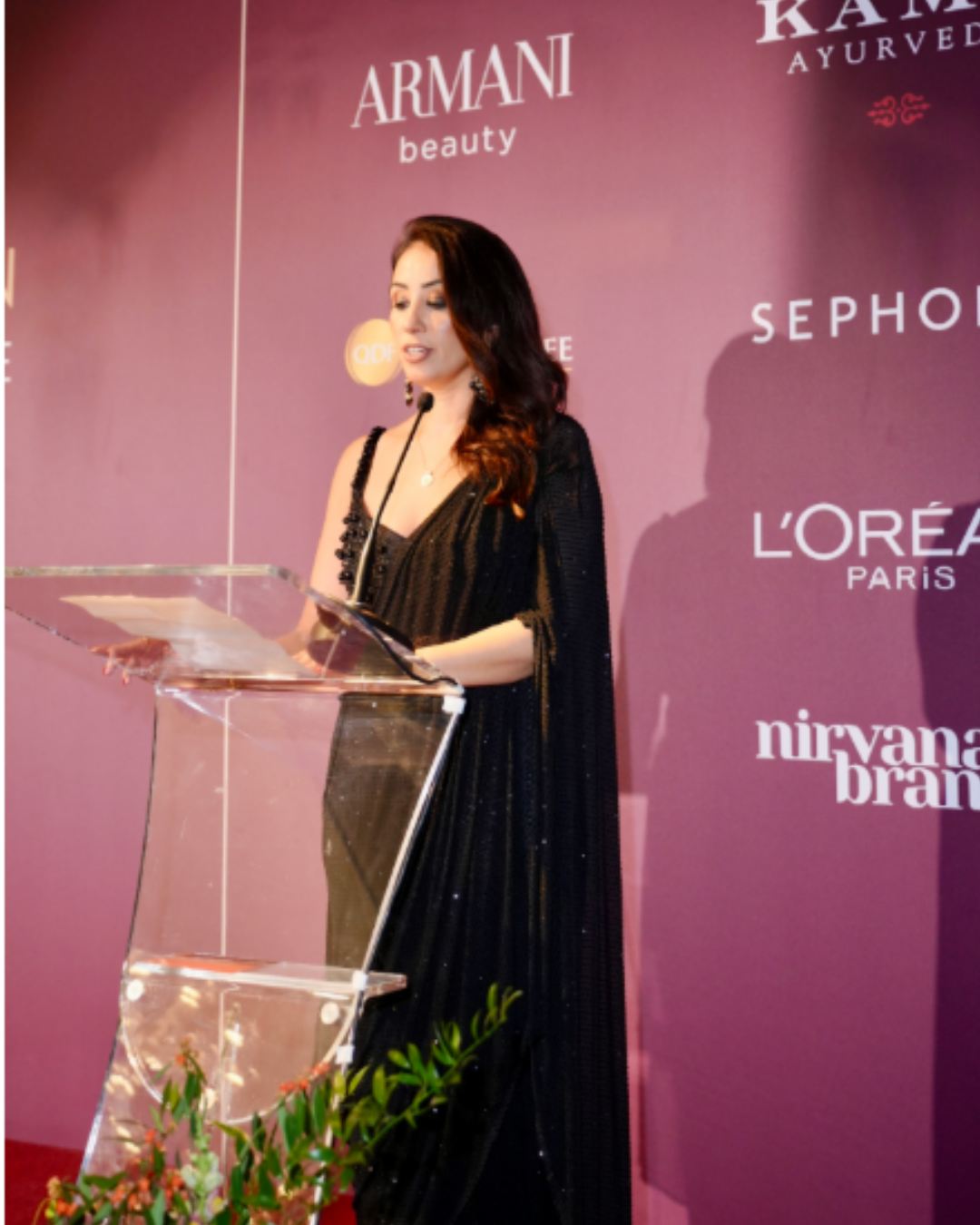
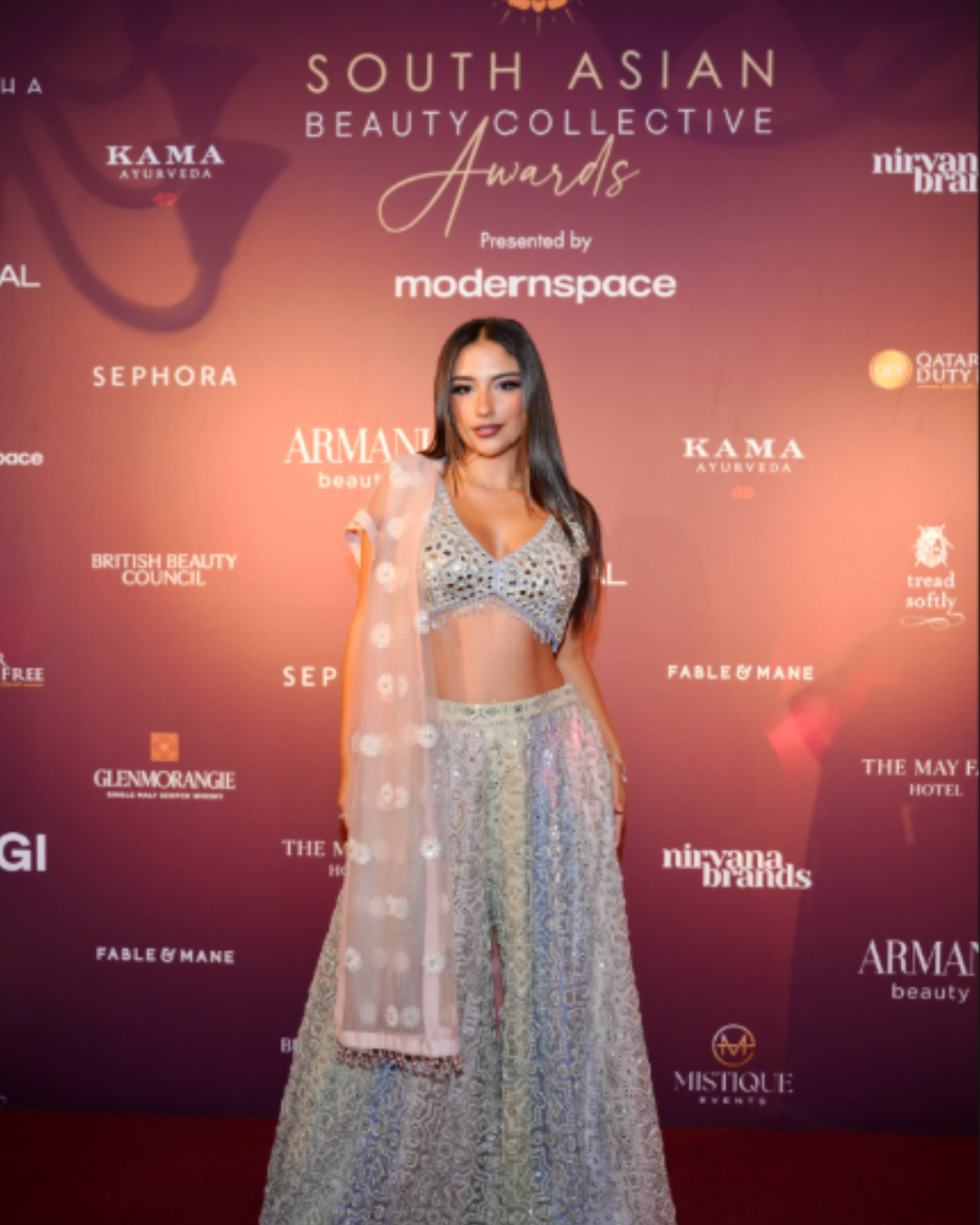
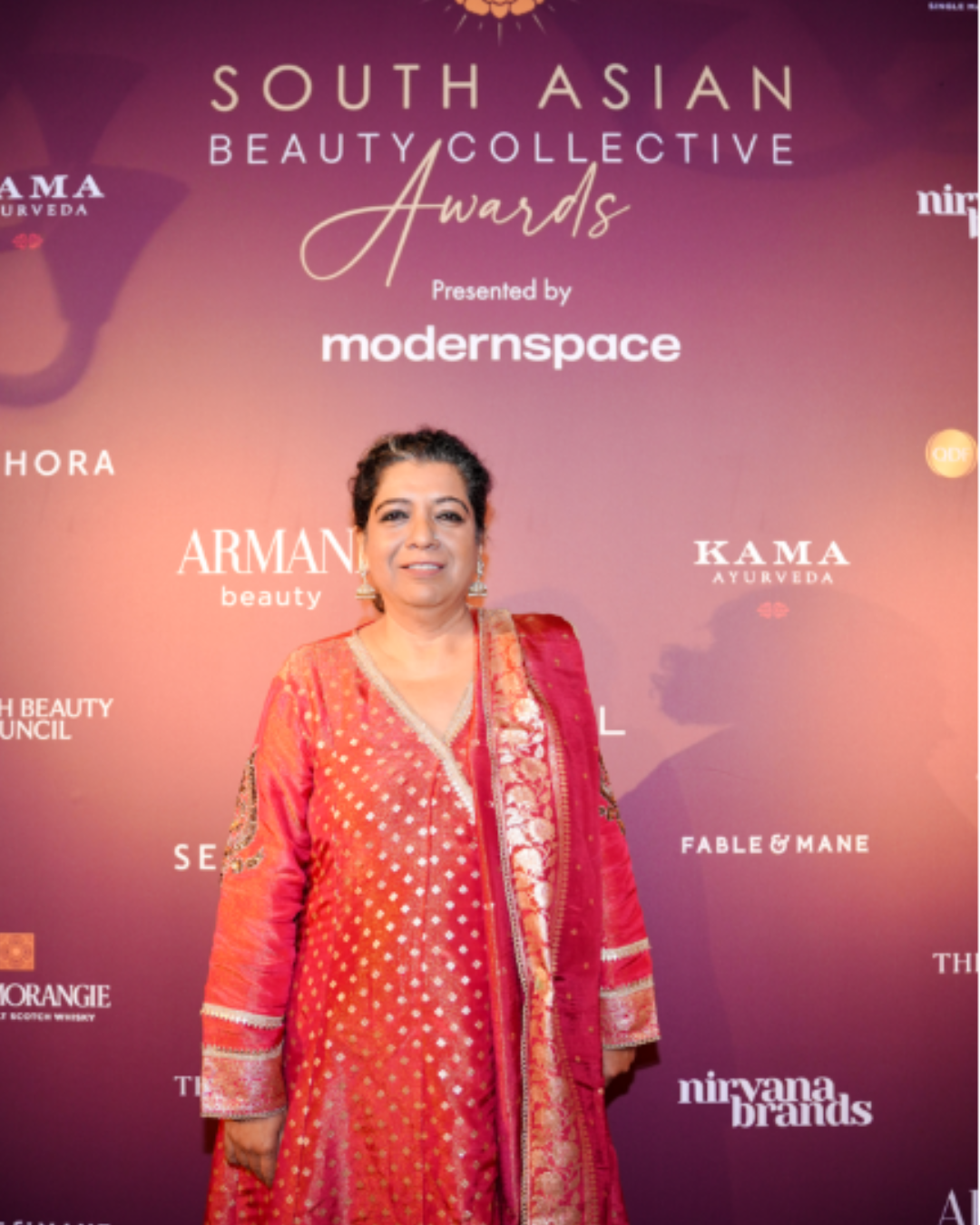
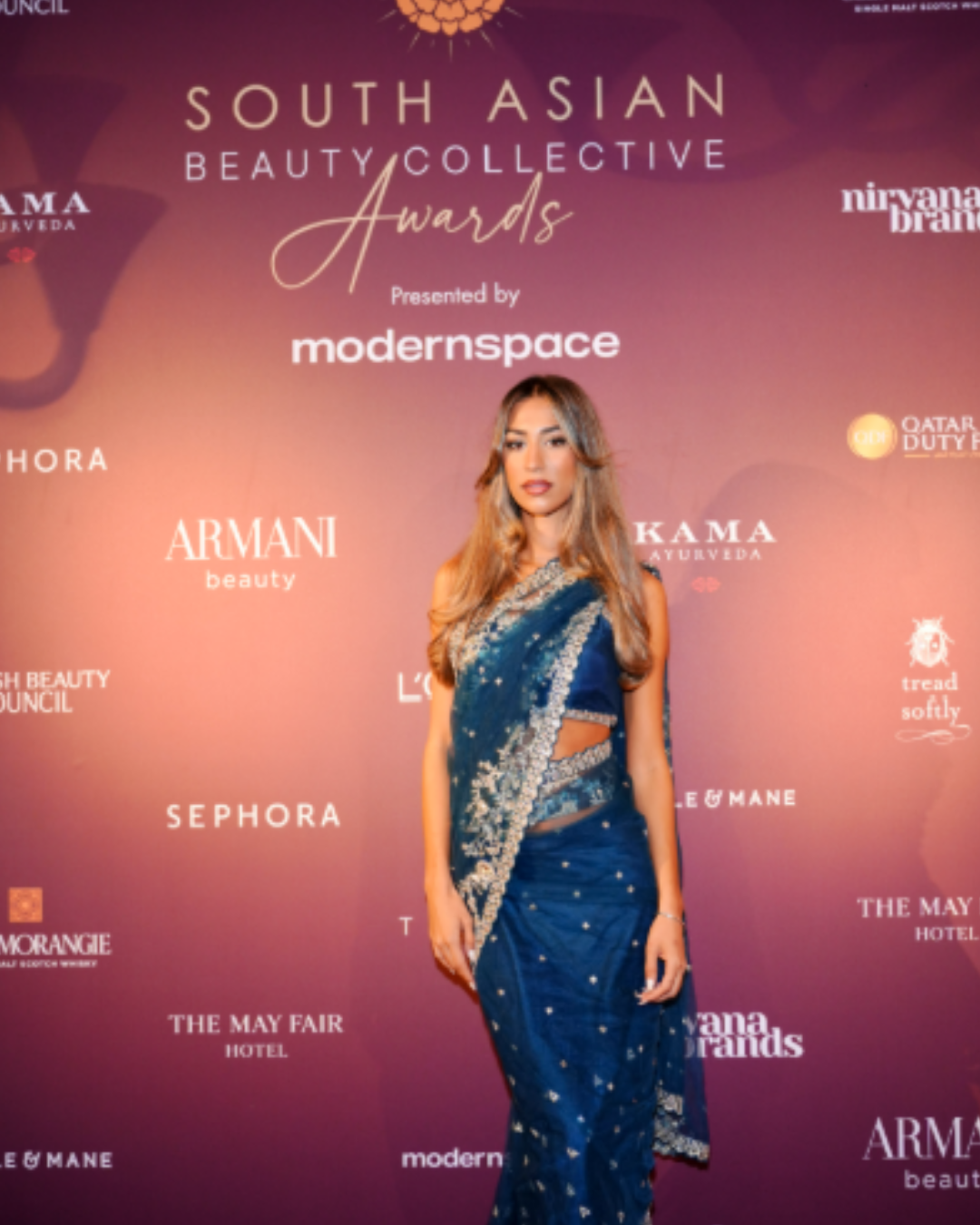
That wider debate provides an interesting backdrop to the inaugural South Asian Beauty Collective Awards, held at The May Fair Hotel in London on 21 September.
The event brought together brands, founders, creators and figures from across beauty, retail, entertainment and culture, with 13 awards recognising areas including product innovation, wellbeing, community impact, digital engagement and representation.
Hosted by ITV presenter Ranvir Singh, the ceremony included some of the biggest international names in beauty alongside emerging South Asian-founded businesses.
Sephora received the Retail Excellence Award, L’Oreal Paris took the Digital Engagement Award and Kama Ayurveda was recognised with the
South Asian Beauty Excellence Award.
Armani Beauty’s Luminous Silk Foundation received the Inclusive Beauty Award, while Rosemin Beauty was named the People’s Choice South Asian Founded Beauty Brand and Sebina Hussain received the People’s Choice South Asian Beauty Creator award.
But some of the evening’s most significant recognition went to women whose work has helped broaden the conversation around beauty and representation.
British Beauty Council chief executive Millie Kendall OBE received the Beauty Icon Award, while author and journalist Anita Bhagwandas was presented with the Breaking Barriers Award.
Actor, writer and cultural figure Dame Meera Syal received The Collective Award.
Who gets to define beauty?
The arrival of an awards platform dedicated to South Asian beauty comes at an interesting point in the industry’s evolution.
Beauty can be empowering. For many people it is a form of creativity, self-expression, identity and even cultural connection.
South Asian beauty traditions themselves stretch back generations – from hair oiling and henna to kajal and skincare rituals passed between family members.
But beauty can also come with expectations.
Within South Asian communities, conversations around colourism and the historic preference for lighter skin have long raised uncomfortable questions about how beauty standards are formed and perpetuated.
Today’s generation faces those inherited ideas while simultaneously navigating global beauty standards amplified through social media.
The result can sometimes be contradictory: an industry becoming more diverse while consumers are exposed to increasingly homogenised images of perfection.
That makes representation more complex than simply placing a brown face in an advertisement.
It means recognising different skin tones and hair types in product development. It means having South Asian founders, executives, make-up artists, journalists and creators involved in the decisions being made behind the camera as well as appearing in front of it.
And perhaps most importantly, meaningful inclusion should broaden ideas of beauty rather than simply creating another standard women feel they must meet.
Building influence behind the scenes
That is part of the ambition behind the South Asian Beauty Collective, founded by beauty industry leader Aarti Pal to increase representation, opportunity and cultural understanding within British beauty.
Pal described the inaugural awards as a significant moment for the industry.
“The inaugural South Asian Beauty Collective Awards marked a defining moment for British beauty, bringing mainstream brands, South
Asian-founded businesses, retailers and changemakers together in one room,” she said.
“Our winners reflect the influence and commercial impact of South Asian beauty across the UK.
“I am incredibly proud of every winner and finalist, and grateful to our partners, judges and supporters who brought our first year to life. This is just the beginning of building a more visible, representative and connected future for South Asian beauty.”
That commercial influence is important.
For years, conversations around diversity were frequently framed around brands becoming more inclusive for ethical or social reasons. But Britain’s South Asian population is also a substantial consumer market with its own spending power, entrepreneurs, creators and influence over wider beauty trends.
Recognition of South Asian consumers therefore cannot simply be treated as a diversity exercise. Increasingly, it is part of understanding modern Britain.
The guest list reflected that crossover between beauty and wider British culture.
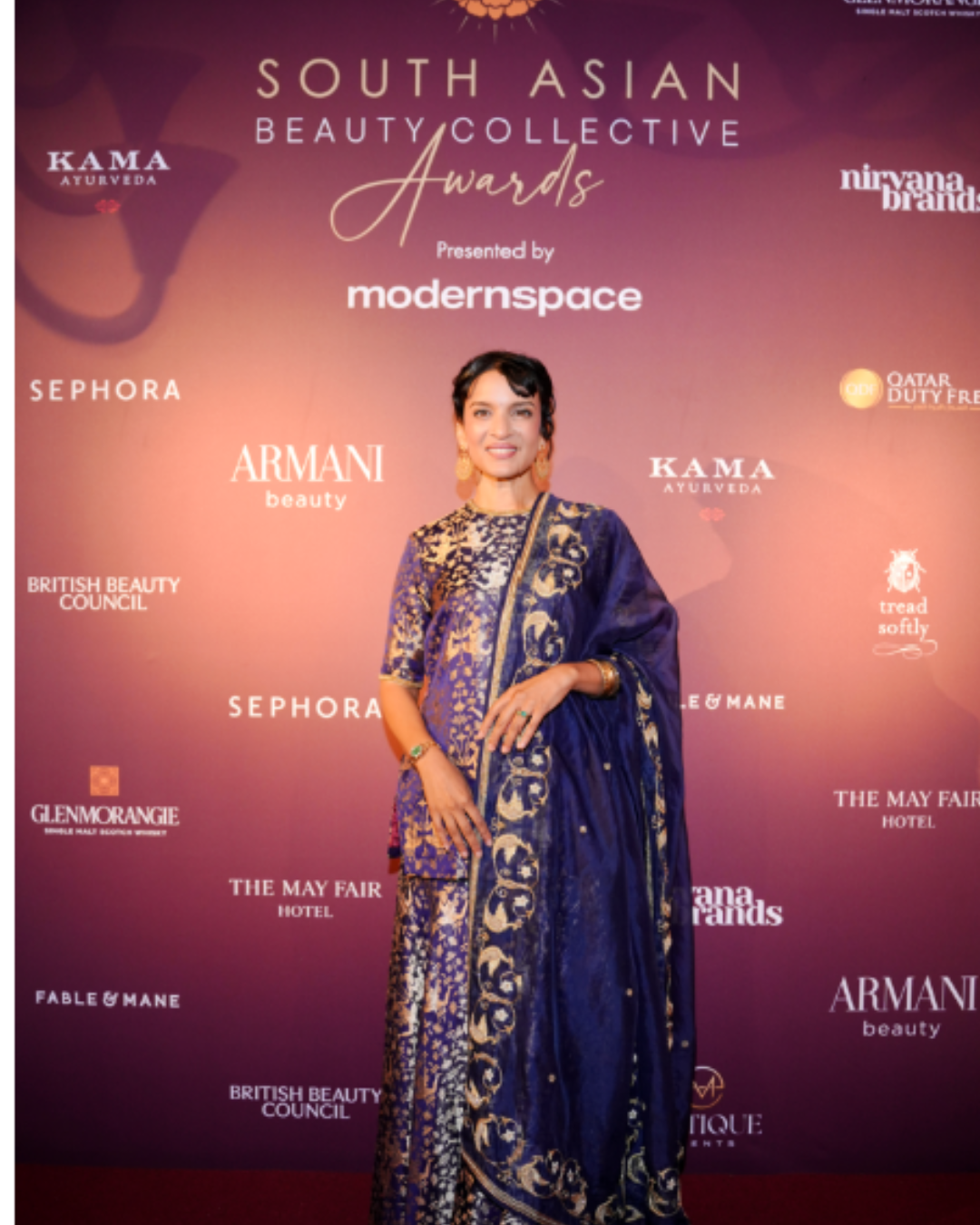
Musician Anoushka Shankar, former England cricketer and broadcaster Isa Guha, chef and Netflix personality Asma Khan, actress Preeya Kalidas and Love Island personalities Shakira Khan and Priya Jaiswal were among those attending.
The evening also featured spoken word from Jaspreet Kaur, a Bollywood dance performance by Nileeka and a live performance from The Voice singer Sonna Rele.
Representation – but without another impossible ideal
Perhaps the bigger measure of progress, however, will be what happens beyond awards ceremonies.
A genuinely inclusive beauty industry is not simply one in which every community is represented in the pursuit of perfection.
It is one in which more women can see themselves reflected without simultaneously being made to feel that they need to change themselves to belong.
For South Asian girls growing up in Britain today, seeing women who share their heritage as founders, beauty executives, journalists, creators and faces of major campaigns matters.
But so too does seeing different complexions, ages, body types, hair textures and appearances without everything being filtered into one acceptable version of beauty.
The inaugural South Asian Beauty Collective Awards celebrated how far representation has moved.
The more challenging conversation for the industry now is where it goes next, and whether greater diversity can also help create a healthier definition of beauty for the generation watching.

