


A Bradford academic has secured a £2.2 million research fellowship to develop revolutionary “self-powered” implants that could transform healthcare and cement the city’s role as a global hub for medical innovation.
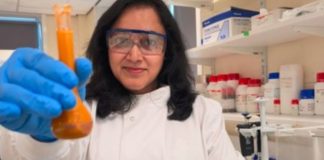
Dr Arathyram Ramachandra Kurup Sasikala, Assistant Professor in Biomedical Engineering at the University of Bradford’s Institute of Health and Social Care, has been awarded the prestigious UKRI Future Leaders Fellowship to lead a four-year programme into next-generation biomaterials.
The work focuses on a pioneering field known as Piezoelectricity’s materials that generate electricity from natural body movement. By harnessing this process, the technology can stimulate tissue regeneration and even power medical devices, all without the need for drugs, wires, or batteries.

A new era in healing
In an interview with Asian Standard, Dr Sasikala said the technology “has the potential to transform treatment for patients with bone loss, offering a non-invasive, drug-free alternative that uses the body’s own movement to stimulate healing. For communities in Bradford and beyond, it means faster recovery, fewer side effects, and more accessible care, especially for those affected by chronic conditions and health inequalities.”
Unlike conventional implants, which rely on external power sources, the material Dr Sasikala is developing could allow broken bones to heal faster, pacemakers to run without batteries, and even open doors to memory restoration therapies.
Her vision is to “reimagine how we treat the body, using smart materials that work with it, not against it.”
Opportunities for Bradford students
The award also represents a major opportunity for students at the University of Bradford. The fellowship will fund PhD researchers, research fellows, and clinical collaborations with leading institutions, including the University of Leeds, University of Cambridge, UC San Diego, and Summit Medical Ltd.
Speaking to Asian Standard, Dr Sasikala explained: “The fellowship will create hands-on opportunities for students to work on cutting-edge biomedical innovation, from lab-based research to clinical translation. It’s a chance to be part of a globally connected project, gaining skills in advanced materials, device development, and interdisciplinary collaboration, all while contributing to real-world impact.”
For students at the University of Bradford, the fellowship opens doors to hands-on experience in groundbreaking medical research, offering not just career development but also the pride of contributing to discoveries that could change lives worldwide.

Putting Bradford on the global map
The fellowship is one of the most competitive and respected research awards in the UK, designed to support the country’s most promising researchers.
“Dr Sasikala said: “This award positions Bradford as a leader in next-generation biomaterials and regenerative medicine. By spearheading the emerging field of Piezoelectroceutics, we’re not only advancing global healthcare innovation but also strengthening the UK’s role in shaping future therapeutics.”
Professor Anant Paradkar, Director of the Institute of Health and Social Care, described the fellowship as a “paradigm shift”, saying piezoelectric biomaterials “can stimulate healing, power implants, and interact with the body in ways we’ve only imagined until now.”
Professor Sherif El-Khamisy, Pro-Vice-Chancellor for Research and Innovation, added: “This is a landmark achievement for the University and a testament to the calibre of our researchers. Dr Sasikala’s success reflects our commitment to world-class innovation that improves lives, supports the NHS, and creates opportunities for our students and communities, especially women pursuing careers in health.”
A rising star in science
Originally from India, Dr Sasikala has already made waves in biomedical engineering, with previous work including the development of self-powered stents and brain-targeting nanoparticles. She is also a recognised STEM ambassador and public communicator of science, committed to inspiring the next generation of researchers.
Her latest fellowship is expected to accelerate Bradford’s ambition to become a recognised hub for biomedical research and healthcare innovation.
For local communities, the project also carries a wider significance: reducing NHS costs, cutting the environmental burden of battery-powered implants, and offering more sustainable treatments at a time when both health services and patients are under pressure.
Pride for Bradford
At its heart, the fellowship is not only about scientific discovery but also about representation. Bradford, a city with one of the youngest and most diverse populations in the UK, has often been overlooked in national conversations about research and innovation.
Dr Sasikala’s award sends a powerful message that world-class science and future-shaping technology can, and do, come from Bradford.


