

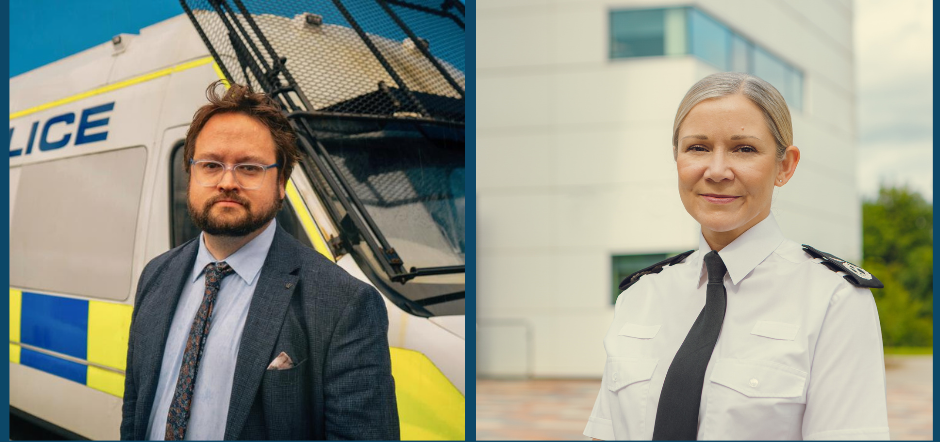
Cleveland’s police and crime commissioner has found himself at odds with his own chief constable after both expressed differing views on police restructuring.
A review launched by the Government earlier this year could eventually recommend fewer, but larger forces in England and Wales in a bid to better equip police to cope with modern crime-fighting demands.
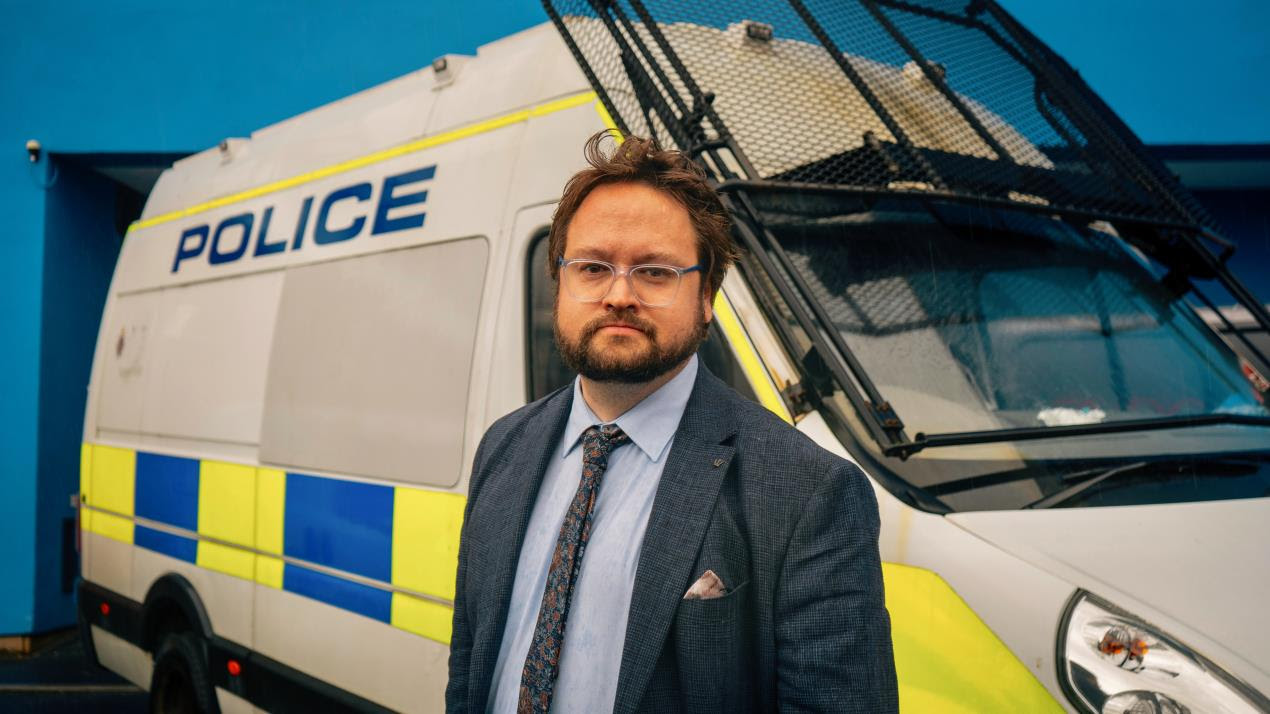
PCC Matt Storey, whose own role will end in 2028, likely years before police force changes roll out, said he did not believe “bigger was better”, nor were mergers required.
He said: “Communities are not asking for police force mergers. They are asking for more neighbourhood officers, safer streets, visible policing, better support for victims and more offenders to be brought to justice.
“These proposals are also difficult to reconcile with the Government’s wider devolution agenda.
“If we believe in putting more power into the hands of local communities, it makes little sense to move policing governance further away from the people it serves.
“Structural changes should never become a distraction from the day job of keeping people safe, reducing crime, supporting victims and maintaining public confidence.
“Any reform must be evidence-led and clearly demonstrate improved outcomes for communities across Cleveland.”
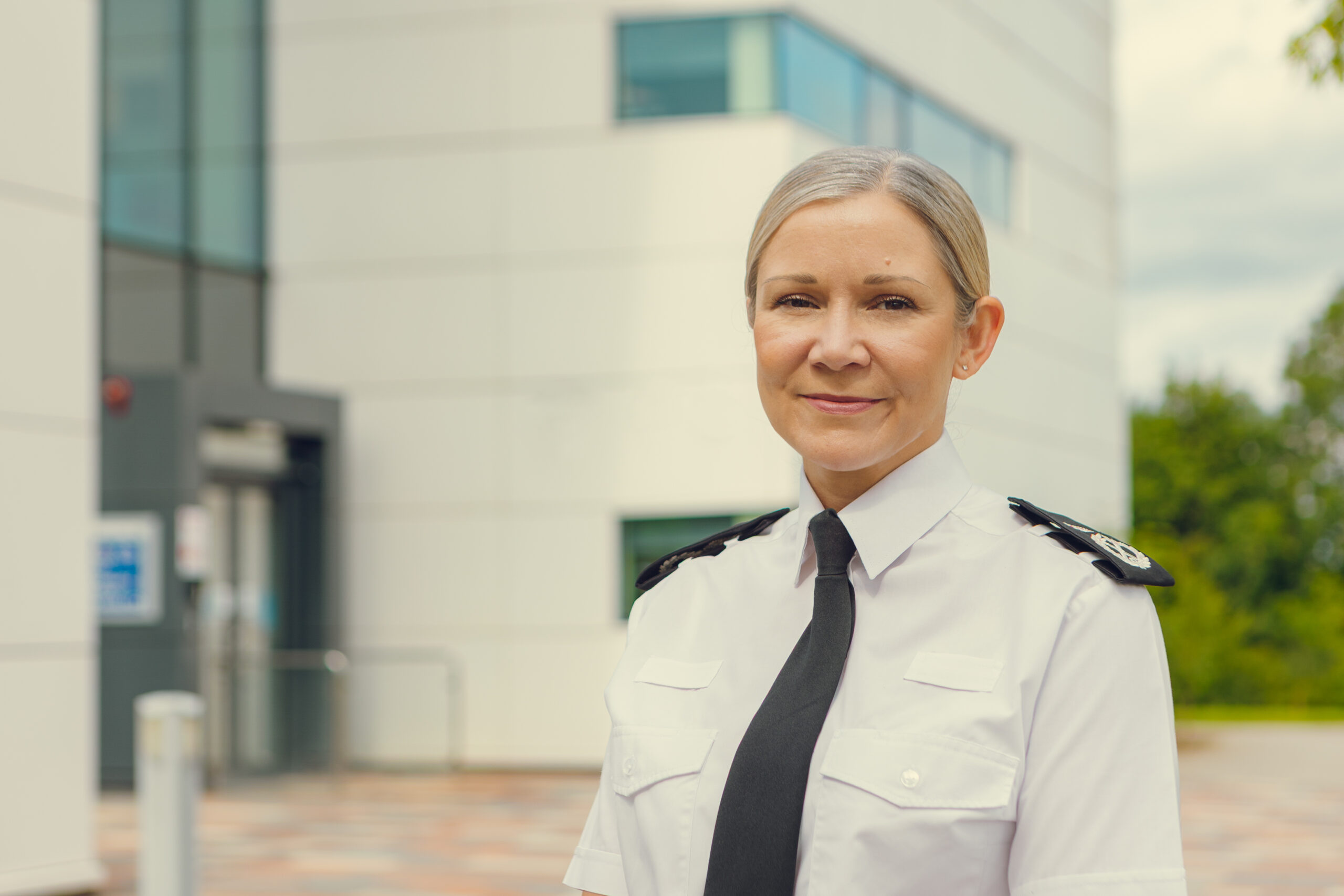
But Cleveland Police Chief Constable Victoria Fuller said a single North East police force “may make sense”.
She gave the example of the response to a fatal crash incident in August – which saw two police officers among seven killed on the A66 at South Bank – with subsequent investigations into organised crime links being bolstered with resources from other forces and specialist help from the National Crime Agency.
Chief Constable Fuller said that while a system that routinely relies on borrowing specialist expertise was not sustainable, the tragedy had shown “what we can do with more”.
She said: “Firearms recovered, drugs recovered.
“We’ve been tackling this before, but our communities have seen in Cleveland what enhanced resources and specialist capability can do for us.”
In a piece for a national newspaper co-authored with Maggie Blyth, the temporary chief constable of Gloucestershire Police, she wrote that crime had evolved far faster than the structures designed to combat it.
The pair opined: “Policing has already shown that collaboration works.
“Regional organised crime units and the national counter-terrorism network demonstrate specialist expertise can be shared effectively without undermining local accountability.
“Properly designed police reform should not signal the death knell for local policing by the centralisation of services.
“With the right investment to tackle today’s crime, it offers an opportunity to provide national capability where national capability makes sense, while amplifying local relationships and confidence.
“This is particularly true when it comes to technology, procurement and enabling services.
“At a time of severe financial pressure, it makes little sense for the police service to procure 43 separate systems, negotiate 43 separate contracts and have 43 different decision makers.
“Shared platforms and nationally delivered specialist services would strengthen resilience, improve information sharing and release more resources for frontline policing.”
Metropolitan Police chief Sir Mark Rowley has called for a new three-tier system: local policing commands dealing with neighbourhood issues, eight to ten regional forces sharing specialist resources and a new national police service tackling the most serious crimes.
In a speech at the end of last week at an event in Manchester, Sir Mark said the “blunt truth is the police services needed to adapt or criminals will win”.
He said organised crime groups, fraud networks, cyber-criminals and those involved in online child abuse increasingly operated across regional and international borders, while police forces remain organised around local areas.
Sir Mark said currently there were 43 “overstretched forces trying to do too much, with too little” and mergers would reduce duplication and potentially free up thousands of roles which could be redirected towards frontline policing.
Mr Storey, for his part, said he believed it was “inappropriate” for chief constables to be taking a public stance on any restructuring.
He said: “Decisions about the future structure of policing are matters for Government and elected representatives, not operational police leaders.”
Mr Storey added: “For years, forces such as Cleveland have been disadvantaged by a broken and hopelessly outdated funding formula.
“That is where the real political debate should be focused.
“Instead, we are witnessing a spectacle around force mergers that risks distracting attention from the issues that matter most: fair funding, neighbourhood policing and delivering better outcomes for victims and communities.
“There is not a compelling case for spending years – and potentially hundreds of millions of pounds – re-drawing maps, re-organising structures and creating uncertainty for communities when there is no evidence that doing so will improve public safety.”
North East Mayor Kim McGuinness took a similar tack to Mr Storey and said: “What we definitely do not need is the head of London’s very troubled police force coming north and telling us how policing should work.”


