

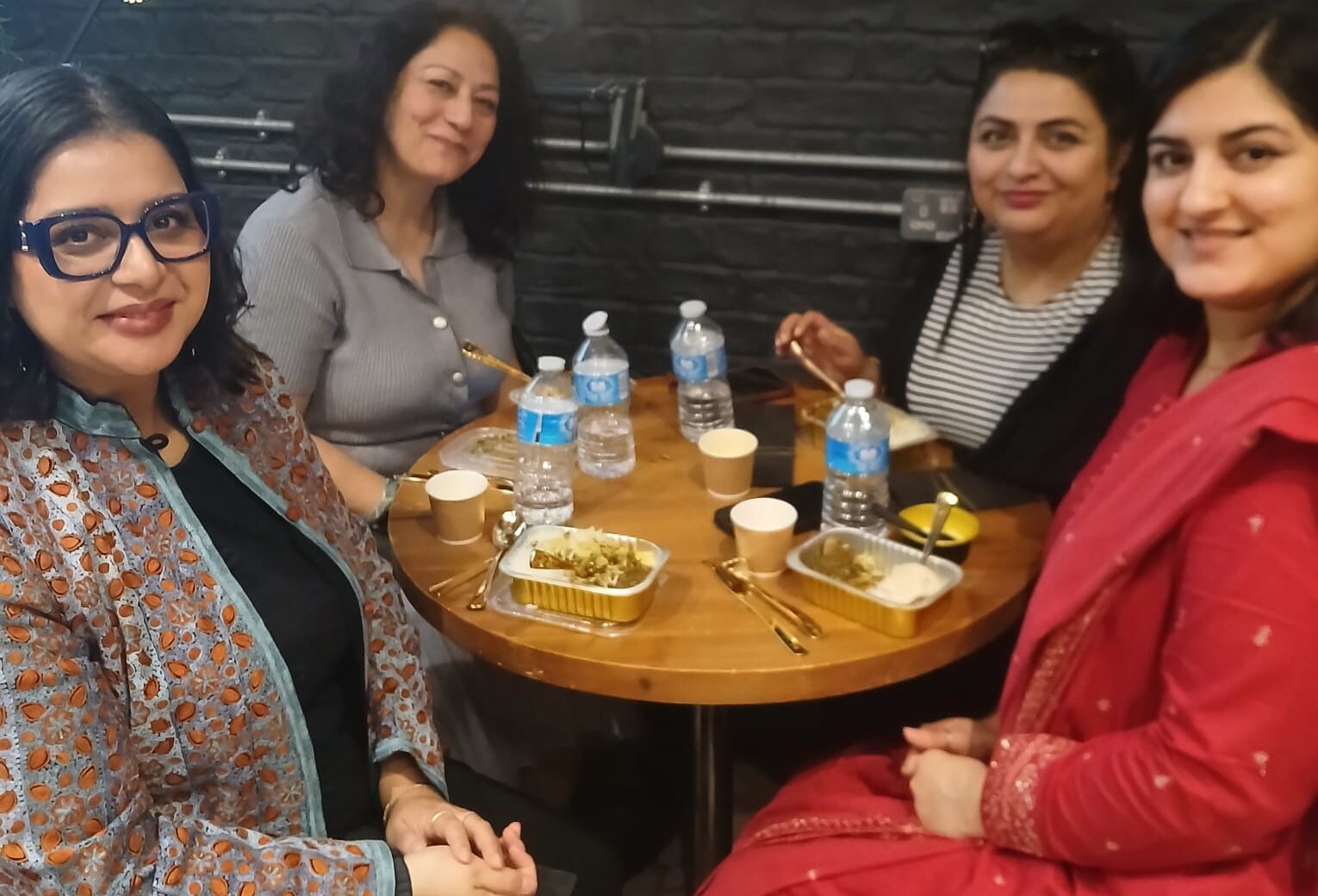
The Film and TV Charity brought together Muslims and non-Muslims from across the screen industries for its third annual Iftar, using the evening not only to celebrate Ramadan but to confront the growing pressures of mental health, isolation and underrepresentation in film and television.
Held with support from multicultural marketing agency PR UK, the event created a space for people working across the sector to break fast together, share food and reflect on the challenges facing minority communities behind the scenes.
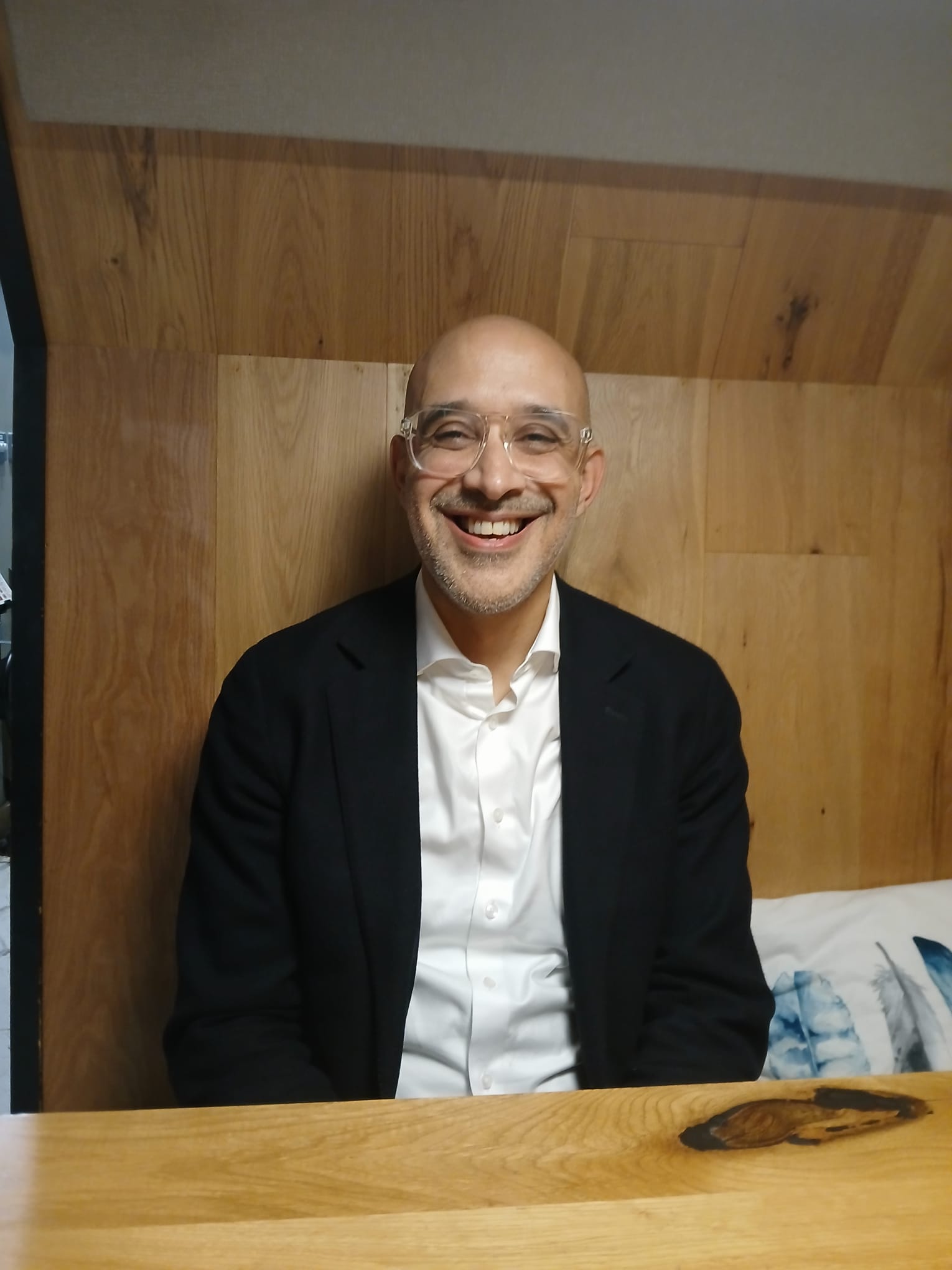
At the heart of the evening was a powerful message from the charity’s chief executive, Marcus Ryder, who said the event was about far more than marking Ramadan.
He said the charity wanted to make sure Muslims working in film, television and cinema knew that dedicated support was available to them, particularly at a time when many are facing loneliness, financial insecurity and poor mental health.
Ryder said research carried out by the charity shows around 30 per cent of people working in the UK screen sector have experienced a serious mental health issue in the last year, while around a third have had suicidal thoughts, figures far higher than those seen in the general population.
He said the realities of freelance work in the industry often leave workers living with financial precarity, irregular income and little savings, despite the glamour often associated with the sector.
For Muslims, he said, those pressures can be amplified.
“Often they are the only Muslim in the room, the only Muslim in a company or on a production,” Ryder explained, adding that isolation and weak professional networks can have a knock-on effect on both emotional wellbeing and career opportunities.
He said one of the strongest protections against poor mental health is connection, which is why events like the Iftar matter.
The gathering, he said, was designed to help people build friendships, expand their networks and feel less alone, while also encouraging more Muslims in the sector to access the charity’s services.
Sponsored by PR UK, the event also carried a wider message about unity across communities.
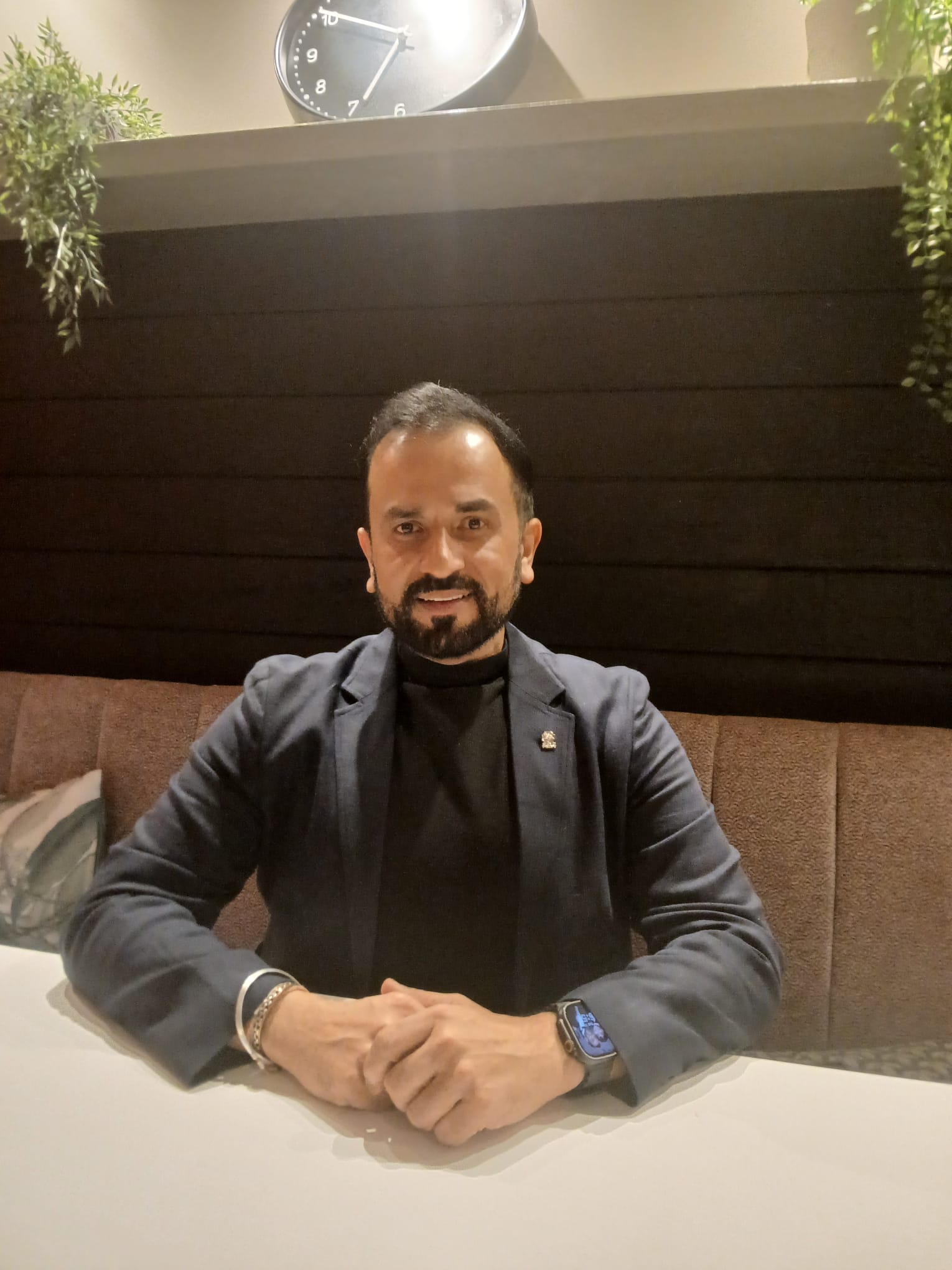
Sunny Suri, chief executive of the multicultural marketing agency, described Iftar as a moment of reflection and self-examination, saying it offered a chance to slow down and consider how people can be kinder and better to one another.
He said supporting the Film and TV Charity’s Iftar was about helping to bring talented people together in a meaningful and spiritual way, and stressed that every community matters.
The evening also heard from Aaqil Ahmed, the Bradford-based media consultant, former BBC and Channel 4 religion chief, and owner of Metro Cinema in Harrow, who reflected on how Ramadan has become an increasingly recognised part of national life.
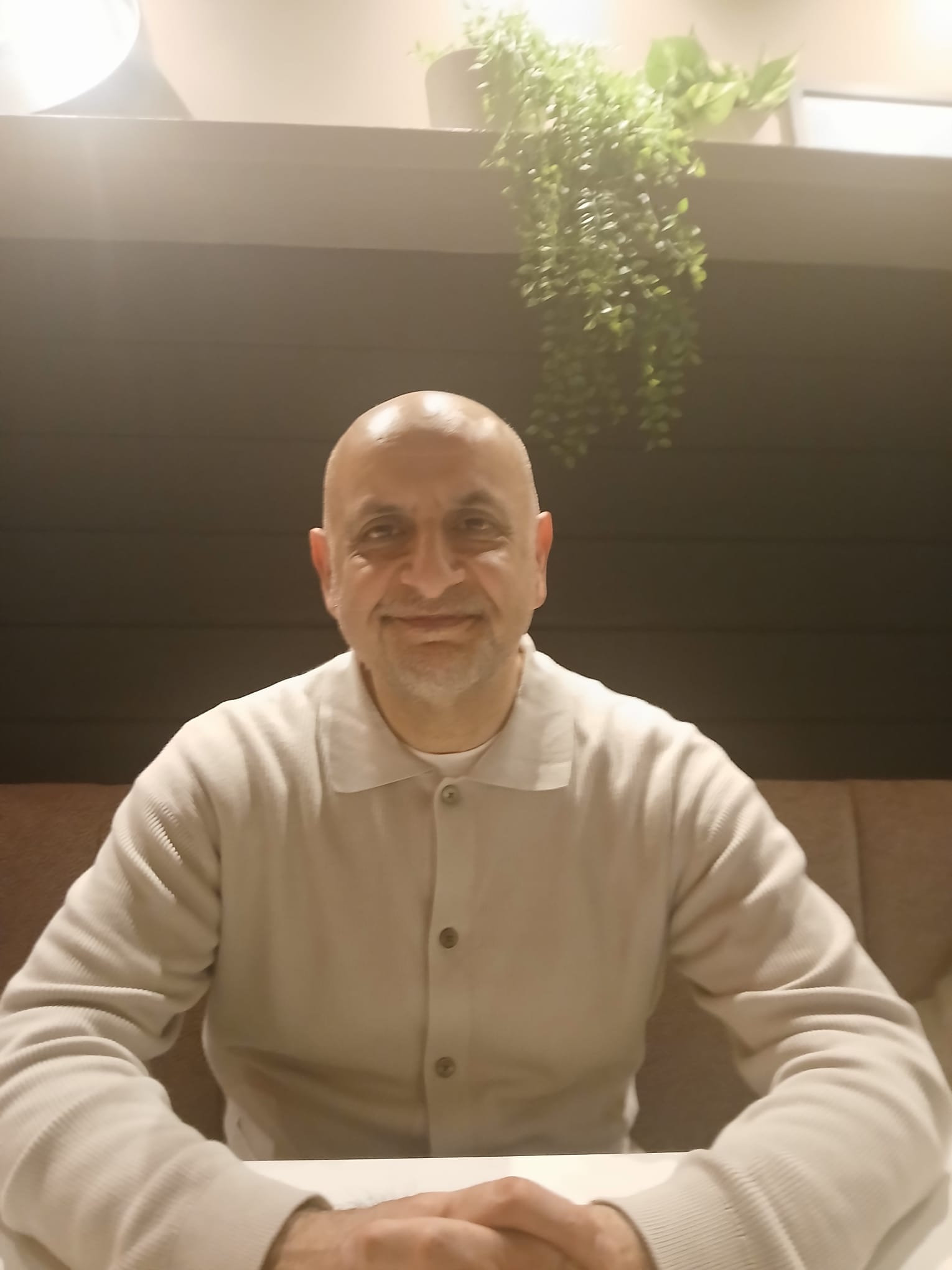
He said Iftars now play an important role in bringing people together regardless of background, and that simple acts such as sharing food and conversation can go a long way in breaking down barriers.
Ahmed said events like this are particularly valuable in an industry where loneliness remains a serious issue, especially in the wake of Covid, changing work patterns and high levels of unemployment across the sector.
He said too many people feel they are struggling alone, and that gatherings like the Film and TV Charity’s Iftar offer a reminder that connection and camaraderie still matter.
Ahmed also spoke candidly about the wider backdrop of anti-Muslim hatred, warning that Islamophobia remains a major issue in Britain and that Muslims are too often misrepresented or spoken for by others.
He said spaces like the Iftar can help challenge prejudice by normalising Muslim experiences and creating opportunities for non-Muslims to engage directly with the community.
While he acknowledged that such events may not change hardened views, he said they are vital in reminding the wider public that “we’re all the same” and have far more in common than divide us.
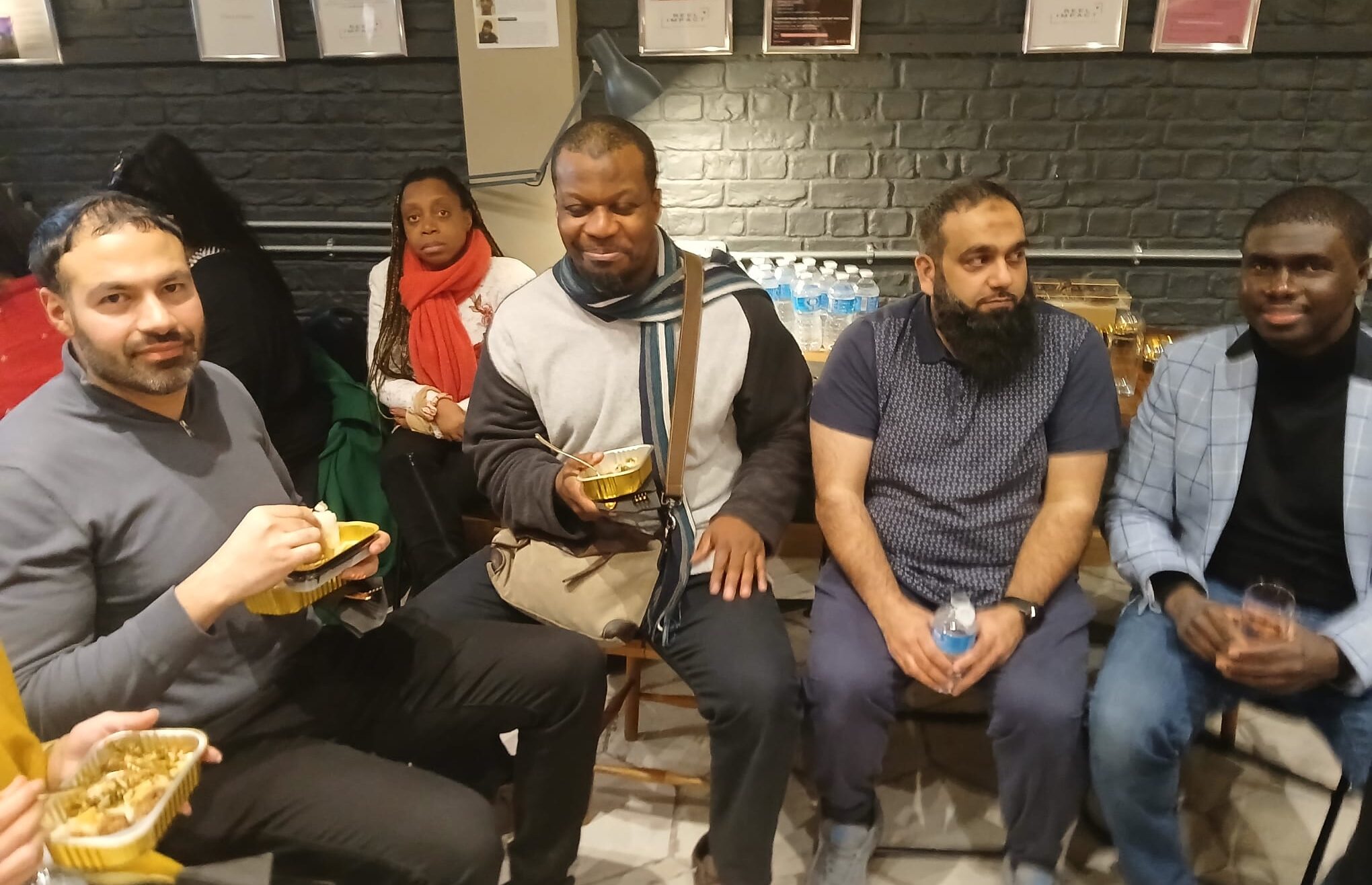
Adding to the evening’s spiritual significance was Yahya Barry, the charity’s impact lead and a practising Imam, who delivered the call to prayer
Together, the voices at the event painted a clear picture: that for many Muslims working in film and television, visibility alone is not enough. What is needed is sustained support, meaningful inclusion and spaces where people feel seen, heard and connected.
In bringing communities together around one table, the Film and TV Charity’s third annual Iftar offered exactly that — a moment of faith, fellowship and frank conversation about what the industry still needs to do.


