

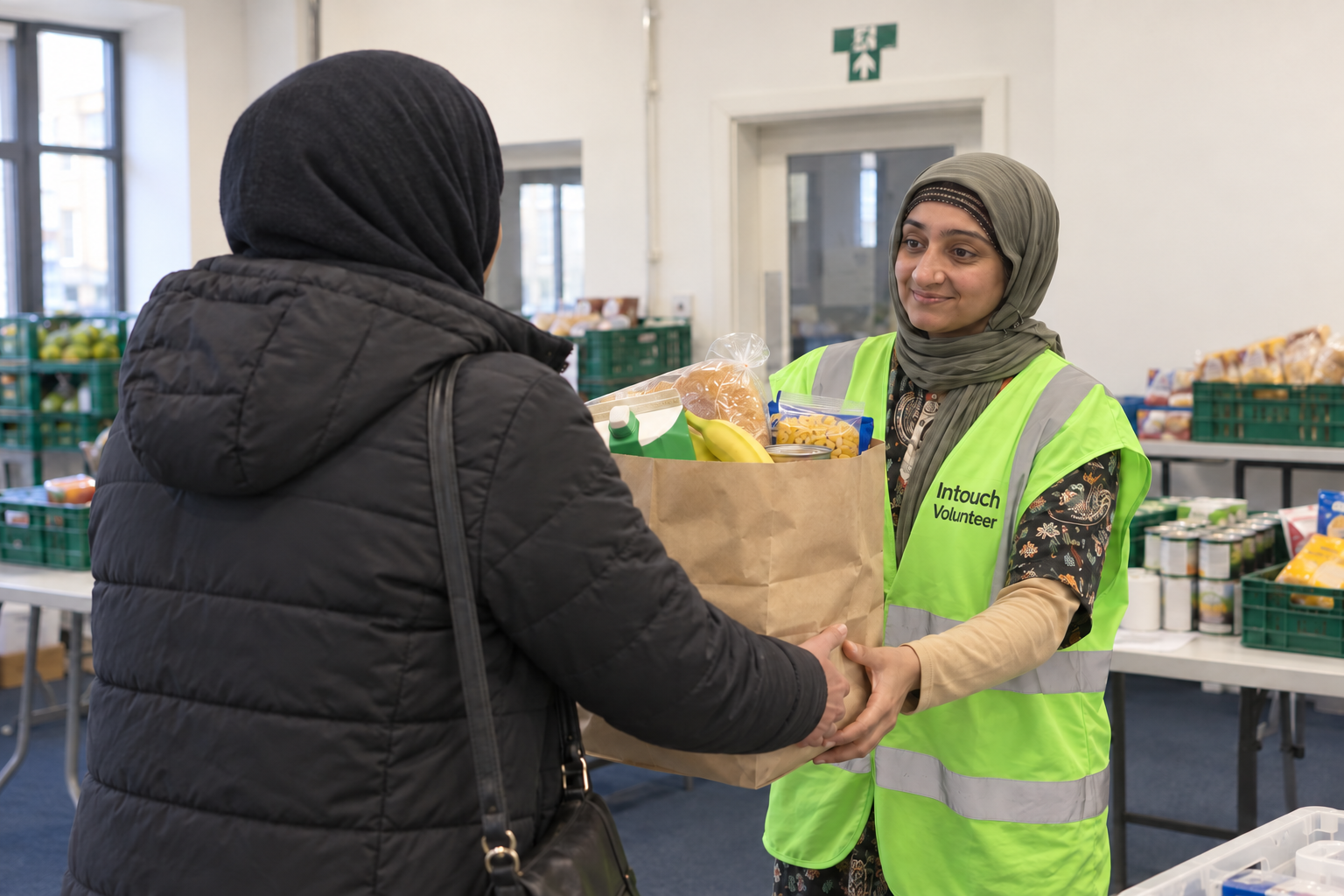
The service user, who has asked to remain anonymous, said they never imagined they would reach a point where earning a wage was no longer enough to cover food alongside rent, energy, council tax, travel and other household bills.
There were evenings when they would simply go to bed rather than spend money on something to eat.
“Before coming to InTouch, I never thought I would be in a position where I couldn’t afford enough food,” they said.
“I work, but over the past year my wages have simply stopped being enough. The cost of rent, energy, council tax, travel and other household bills has continued to rise, while there isn’t much left at the end of the month.
“There were times when I would make sure my children had something to eat and then go without myself.
“I’d have toast, cereal or whatever was left in the cupboard. Some evenings, I’d simply go to bed rather than spend money on food.”
Their experience is one of a growing number being encountered by InTouch Foundation, which provides hot meals, food to take home, street outreach and practical support to people facing hardship across Bradford.
The volunteer-led charity says the number of people using its services has increased by 30 per cent during the past six months.
Those seeking help include people experiencing homelessness, families struggling with household bills, older residents, migrants and people living in temporary or insecure accommodation.
Increasingly, the charity is also supporting people who are in employment but whose wages no longer meet the cost of everyday essentials.
For the anonymous parent, one of the most difficult moments was not going without food. It was accepting that they could no longer manage alone.
“The hardest part was admitting that I needed help,” they said.
“I was embarrassed and worried about what people would think. Walking through the door at InTouch for the first time was difficult because you feel like you’re admitting you’ve failed.
“But nobody made me feel like that.”
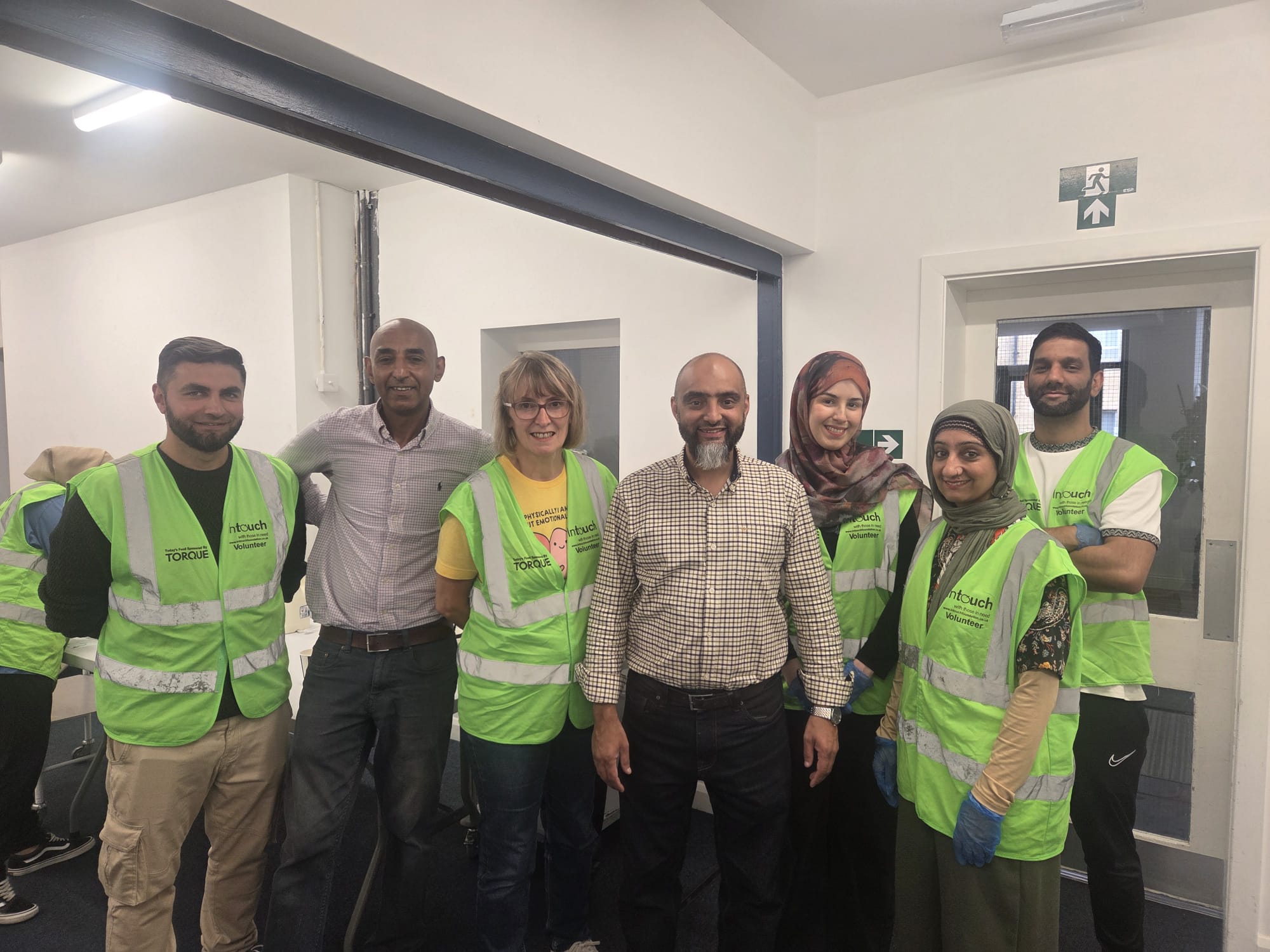
They said InTouch founder Osman Gondal and the charity’s volunteers welcomed them without judgement or intrusive questioning.
“Osman and the volunteers at InTouch treated me with dignity,” they said.
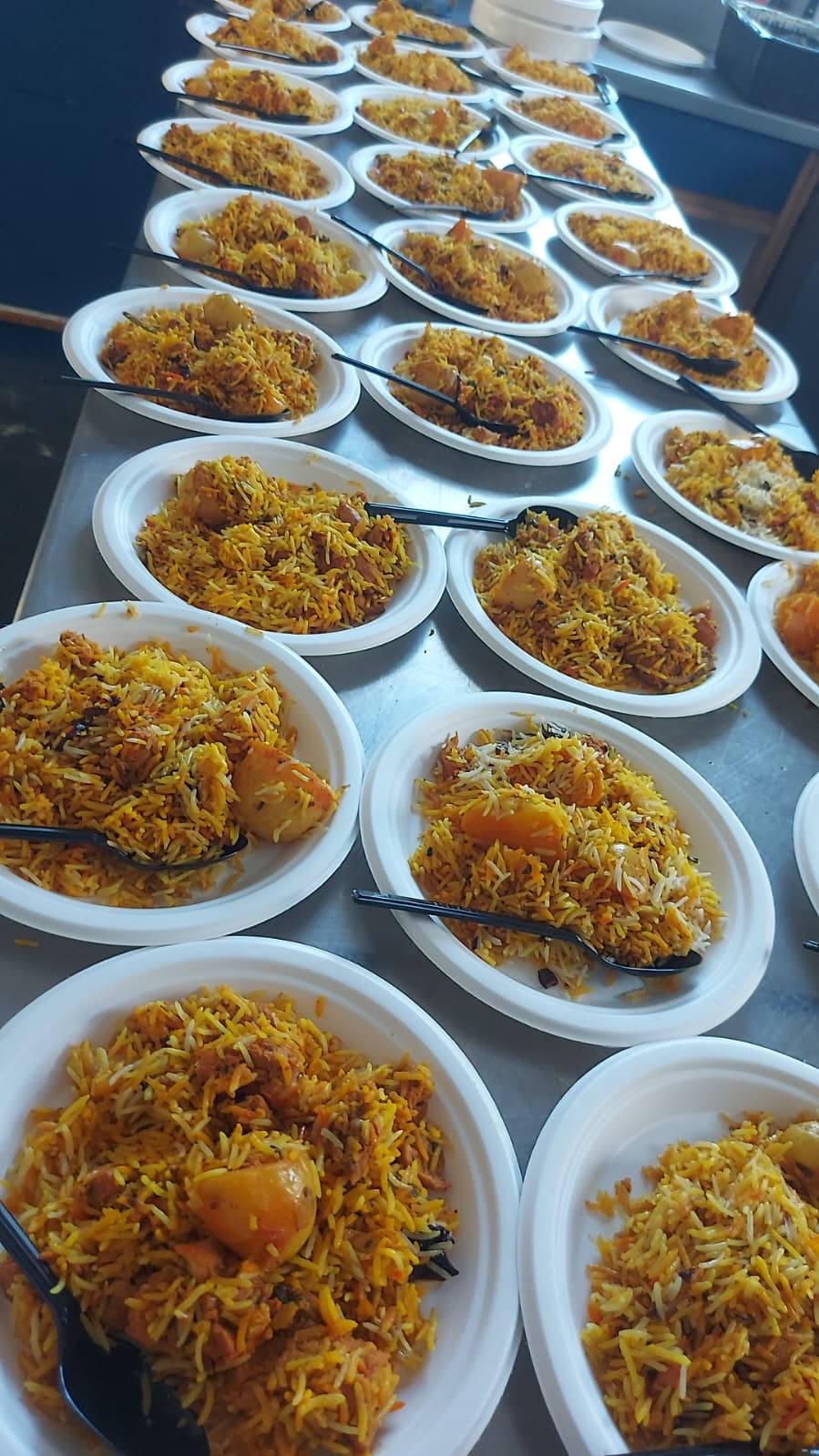
“There was no judgement and no interrogation. They simply welcomed me, gave me a hot meal and made me feel like a person rather than a problem.”
For someone trying to stretch a limited household budget from one payday to the next, the significance of that meal went far beyond the food on the plate.
“That hot meal might not sound like much to some people, but when you’re worrying about whether you can afford to feed yourself, it means a lot,” the parent said.
“It takes away some of the pressure and gives you one less thing to worry about that day. InTouch also provides food for us to take home, which helps a lot.
“Without InTouch, I honestly don’t know how I would have managed during the worst weeks.
“I’m working, I’m trying to keep my household going and I’m doing everything I can, but sometimes the money just doesn’t add up.”
The charity believes experiences such as this show that food insecurity cannot always be identified by looking at whether somebody has a home or a job.
Some people approaching InTouch are sleeping rough or living in unstable accommodation. Others are struggling behind closed doors, quietly missing meals or reducing what they eat to protect their children from the full impact of financial hardship.
Bradford’s Food Insecurity Health Needs Assessment for 2026 found that 16.3 per cent of people in underserved groups were experiencing
food insecurity, compared with a national average of 6.9 per cent.
The local figure is more than twice the national rate cited in the assessment.
Nationally, the Trussell Trust distributed 2.89 million emergency food parcels during 2024–25. Although that was lower than the 3.13 million parcels provided the previous year, food bank use remained 51 per cent higher than in 2019–20.
InTouch says the pressure is visible from week to week, with more people approaching its volunteers for meals, food to take home, conversation and practical assistance.
Its outreach teams are also encountering people sleeping rough or living in precarious circumstances who may struggle to access mainstream services.
Hot food and drinks provide immediate assistance, but volunteers say a warm welcome, conversation and the knowledge that somebody cares can be equally important.
The anonymous service user said attending InTouch had also challenged their own perceptions about who needs charitable help.
“Coming to InTouch has made me realise that I’m not the only one,” they said.
“There are people here from all sorts of backgrounds.
“You don’t expect to n
eed a food service when you’re working, but that’s the reality for some people now.”
InTouch Foundation founder and chief executive Osman Gondal said the 30 per cent increase in service users was both “humbling and deeply concerning”.
“Every number represents a person, a family or an individual facing circumstances many of us will never experience,” he said.
“Our message has always been simple: if someone is in need, we want to be there.
“The growth we are seeing shows that our support is reaching further, but it also highlights how many people are struggling.”
Gondal said hardship was particularly concentrated in neighbourhoods where poverty and social isolation intersect.
He warned that without sustained funding and co-ordinated support, the gap between the number of people needing help and the assistance available to them would continue to grow.
The charity relies on donations and volunteers to operate its hot-food kitchen and street outreach activities.
Gondal paid tribute to those giving their time, money and support but said frontline organisations could not respond to rising hardship alone.
“We are proud of the difference we are making, but we cannot ignore the reality,” he said.
“Demand is rising, and so must the support available. Greater investment and stronger community action are essential if we are to meet the growing need.”
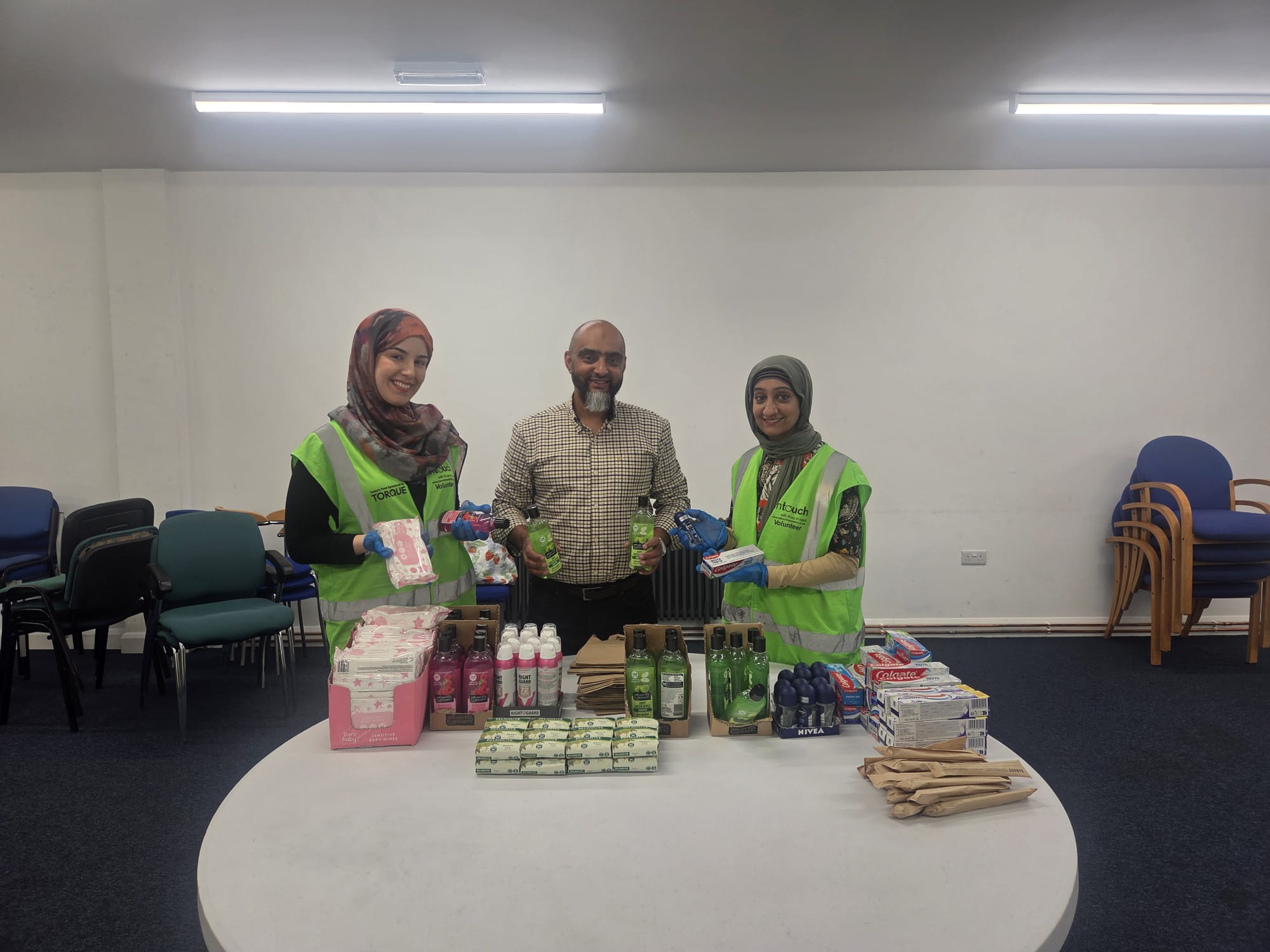
Volunteer Andrea Dean said her role had shown her how little people may know about the financial or personal difficulties others are experiencing.
“We don’t know what challenges people are facing in their daily lives,” she said.
“Being able to offer a warm welcome, a meal and a friendly place to spend some time means a lot to me.
“I get a lot out of volunteering here. It’s rewarding to be part of something that brings people together.”
For the parent supported by InTouch, being treated with dignity meant they could walk through the charity’s doors without feeling defined by their circumstances.
Their story also illustrates what Bradford’s food insecurity figures look like in everyday life: a working parent calculating whether there is enough money to eat after paying the bills, making sure the children are fed first and sometimes choosing bed over an evening meal.
For InTouch, the 30 per cent increase is therefore not simply a measure of organisational growth.
It represents more meals being served, more people asking for help and more Bradford households in which employment is no longer a guarantee that everybody will have enough to eat.


