

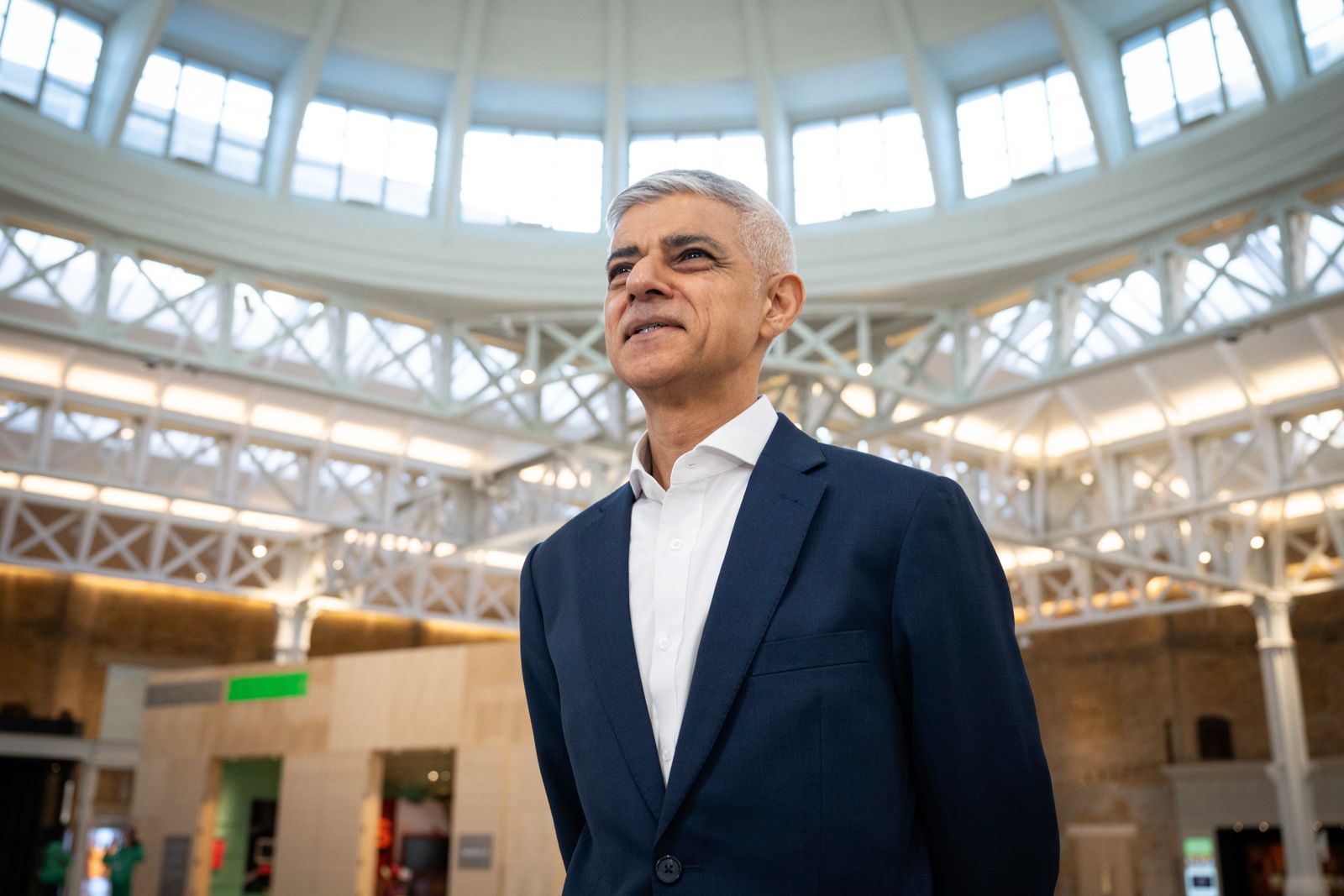
London’s planned tourist tax could help keep the capital’s museums free, Sir Sadiq Khan has suggested, as institutions face rising costs and pressure on visitor numbers.
The Mayor said City Hall was consulting museums, galleries, boroughs and hospitality businesses on how to collect and spend the overnight visitor levy, which is expected to be introduced in 2028.
The proposed charge would add up to five per cent to the cost of overnight stays for non-Londoners. Khan described it as a “game-changer”, but stressed that the proceeds should provide additional support rather than replace existing funding.
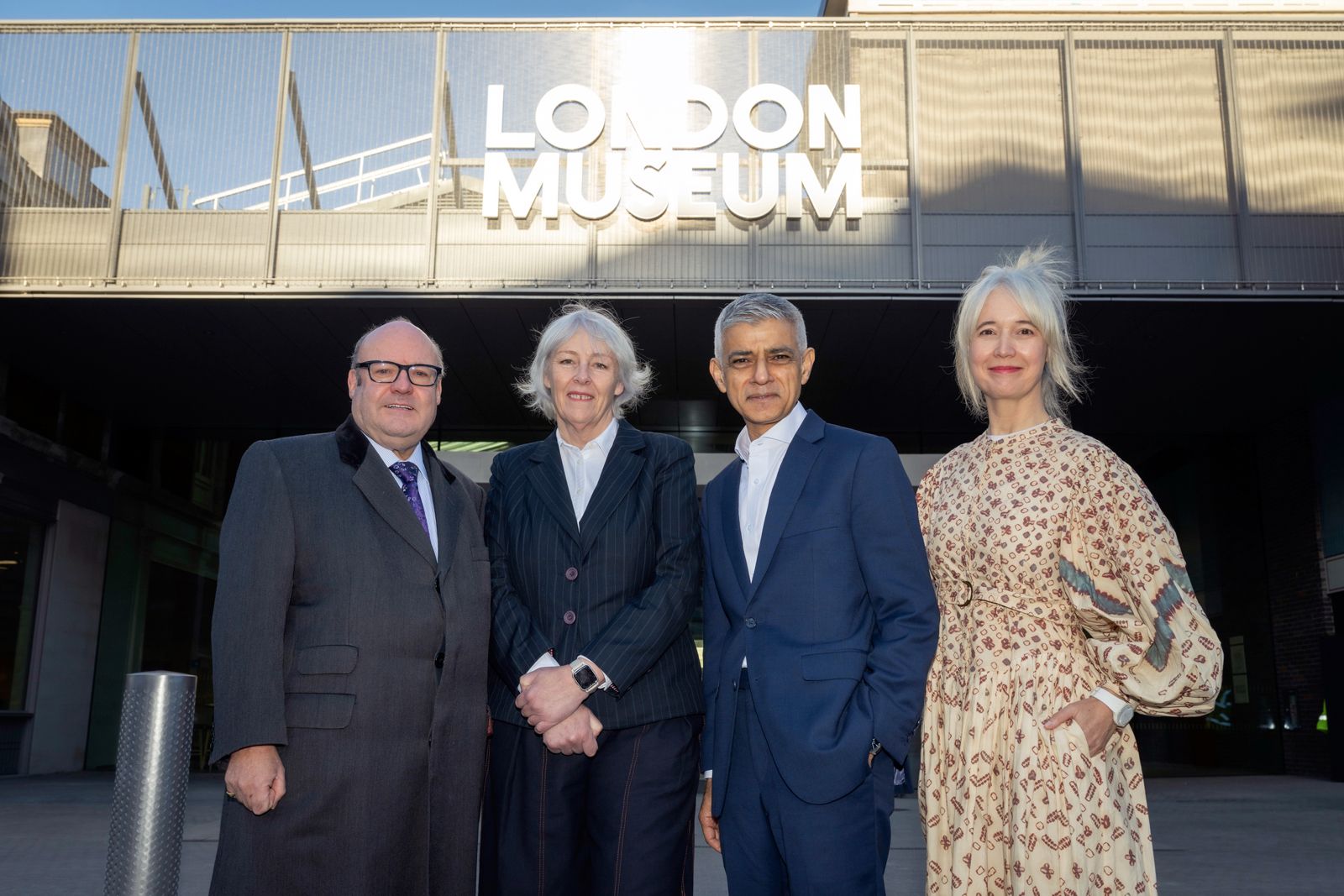
He was speaking ahead of the opening of the new London Museum on Saturday, 28 November. The Smithfield development has been jointly funded by the Greater London Authority, the City of London Corporation and private donors, a partnership he suggested could offer a model for future cultural projects.
Rising operating costs and lower-than-expected visitor numbers have fuelled concerns about museums’ finances, with industry leaders describing conditions as “very challenging”.
Khan told the Local Democracy Reporting Service (LDRS) that some levy income could help keep the capital’s museums free.
“We’re going to do what other cities across the globe have done, from Paris to New York, from Venice to Toronto, which is to ask visitors to our city to pay just a tiny bit more to help us improve the experience,” he said.
City Hall is discussing both the design of the scheme and how its proceeds should be allocated.
“We’re speaking to all key partners to make sure we get the right scheme in place and also we allocate any monies raised in a sensible way,” Khan said. “This is to be value-added rather than to replace or replenish monies that are lost.”
Chris Hayward, policy chairman of the City of London Corporation, said he would press the Mayor to ensure cultural funding reached communities across the capital.
“It’s really important that when we raise these sorts of funds from the public, that they can be shared across not just the City [of London], but the 32 boroughs as well,” he told the LDRS. “It’s a real opportunity.”
The prospect of levy funding comes amid debate over how to sustain free museum entry.
In September, museum leaders warned that charging overseas tourists to visit London’s museums could damage the capital’s cultural
appeal and put institutions at risk. V&A director Tristram Hunt called for half of any cultural funding pot to go to free-entry national institutions.
Khan has consistently opposed admission charges for overseas visitors, describing free museums and galleries as a “fundamental” part of London life.
Last month, the Department for Culture, Media and Sport confirmed that admission would remain free for everyone, with ministers suggesting fees would deter overseas visitors.
For the London Museum, keeping admission free means combining public support with income generated on site.
Director Sharon Ament said the museum planned to rent out retail units and raise money through its gift shop and cafe to help cover running costs.
“Our economic mix has changed,” she told the LDRS. “That’s really important, and that enables us to earn more self-generated income to contribute more to the ongoing costs of the museum.”
Funding from the GLA and the City of London remained essential, she added.
“Grant-in-aid [from the GLA and City of London] is always really important, and that enables us to be fundamentally free, but our self-generated income really needs to supplement that. We want to stand on our own two feet.”
Khan said the museum demonstrated what City Hall, local government and private donors could achieve together.
“We’ve both invested record sums in this museum with the support of private donors,” he said. “Why? Because, you know, we need great spaces like this to educate ourselves about the past, to celebrate the past, but also look to the future as well.”
He pointed to existing work with boroughs through the London Borough of Culture programme and Creative Enterprise Zones, and left open the possibility of another major cultural collaboration.
While the Smithfield project was distinctive because of its scale and historically important location, Khan said partnerships across London would continue.


