

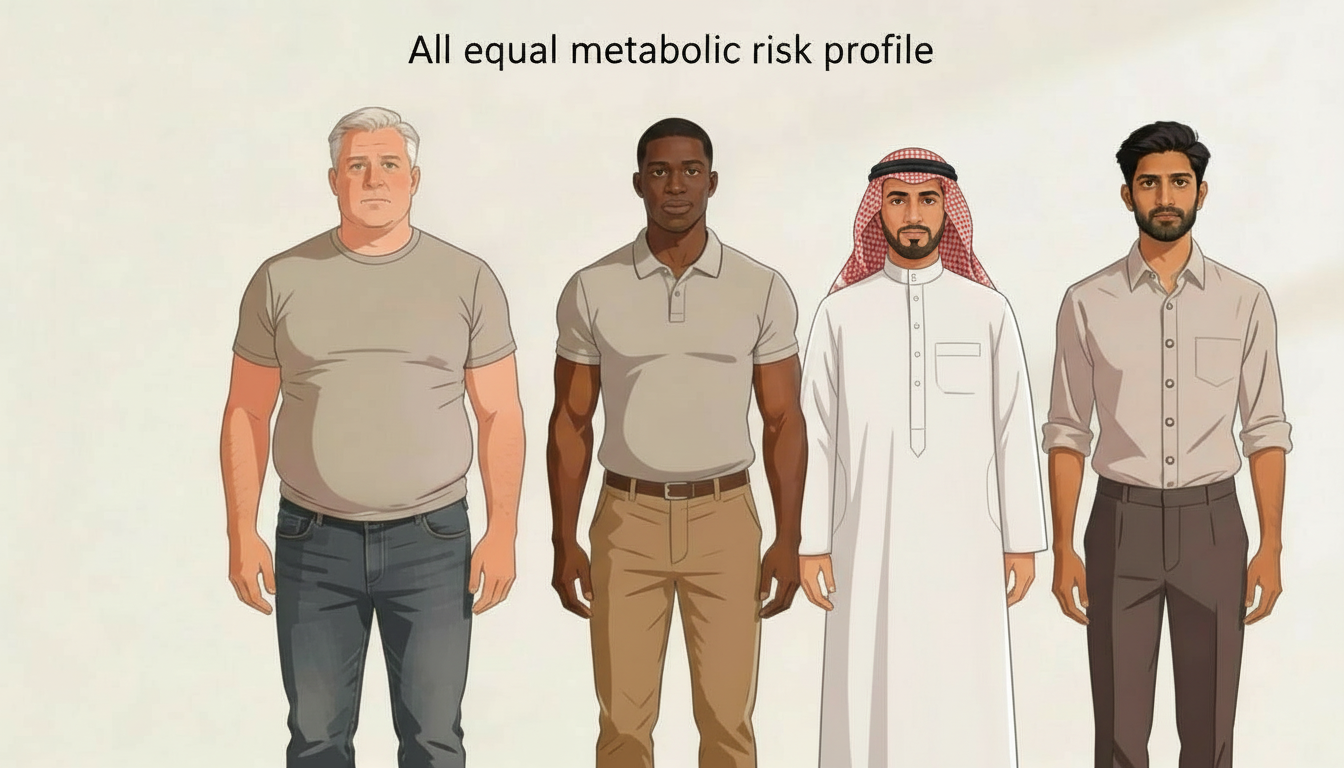
Ramadan sparks fresh calls for reform as millions may be living with dangerous metabolic disease despite being classed as “healthy”.
Millions of Black, South Asian and Arab Britons may be living with dangerous levels of obesity-related disease without even knowing it, as experts warn outdated health measurements are failing to detect the true risk.
Scientists and public health leaders say the current Body Mass Index (BMI) system – widely used by doctors to define obesity – is biologically inaccurate for many ethnic minority communities, leaving millions “clinically missed”.
The issue, now being described as an “Invisible Obesity” crisis, was highlighted during new scientific briefings presented at the House of Lords alongside the launch of the Global Muslim Weight Management Group Ltd, a new initiative calling for urgent reform in how obesity is measured across diverse populations.
Health experts say the current threshold for obesity – a BMI of 30 – was largely developed using data from White European populations and fails to reflect how fat is stored and processed in other ethnic groups.
Groundbreaking research from the GlasVEGAS study, published in Nature Metabolism, has exposed what scientists describe as a stark “physiological chasm” in how the body responds to weight gain across different ethnicities.
Researchers found that a modest weight increase of just 5kg can reduce insulin sensitivity by 38 per cent in South Asian men, a level of metabolic damage almost six times greater than that seen in White European men with the same weight gain.
Insulin sensitivity plays a crucial role in regulating blood sugar levels, and reduced sensitivity significantly increases the risk of developing Type 2 diabetes, heart disease and other chronic conditions.
Public health experts warn the consequences are already being seen across the UK.
One of the most concerning findings is the phenomenon researchers call “Invisible Obesity” – where individuals may appear slim or of normal weight but carry dangerous levels of fat internally.
This internal fat, which builds around vital organs such as the liver and pancreas, can trigger serious metabolic illness even when a person’s body weight appears normal.
Scientists refer to this as “lipid overspill”, where the body’s ability to safely store fat under the skin is exceeded, causing fat to accumulate around organs instead.
The condition is thought to be linked to evolutionary genetics that once helped populations survive periods of famine, but which now increases health risks in today’s high-calorie food environments.
As a result, individuals with a BMI between 23 and 30 – often labelled healthy under current guidelines – may already be experiencing serious metabolic disease.
Experts say this explains why South Asian communities in the UK are up to six times more likely to develop Type 2 diabetes compared with White populations.
The health disparity is particularly concerning among women and children.
When assessed using more biologically accurate thresholds, research suggests:
- 74 per cent of Pakistani women would be classified as living with obesity.
- 38 per cent of Bangladeshi boys are clinically obese by the age of 11 when measured using appropriate ethnic thresholds.
Researchers describe this as an “aggressive metabolic gain profile”, where metabolic disease develops at lower levels of body weight.
Without early detection and intervention, experts warn these trends could accelerate rates of diabetes, cardiovascular disease and early mortality in affected communities.
With millions of Muslims observing Ramadan – a month traditionally centred around reflection, discipline and wellbeing – campaigners say the timing presents an important opportunity to raise awareness about metabolic health.
However, experts caution that fasting alone cannot address what they describe as a systemic failure in how health risks are measured and identified.
While current NICE guidelines do recognise lower BMI thresholds for some ethnic groups, critics say the broader healthcare system still relies heavily on outdated measurements and visual assessments that fail to capture real metabolic risk.
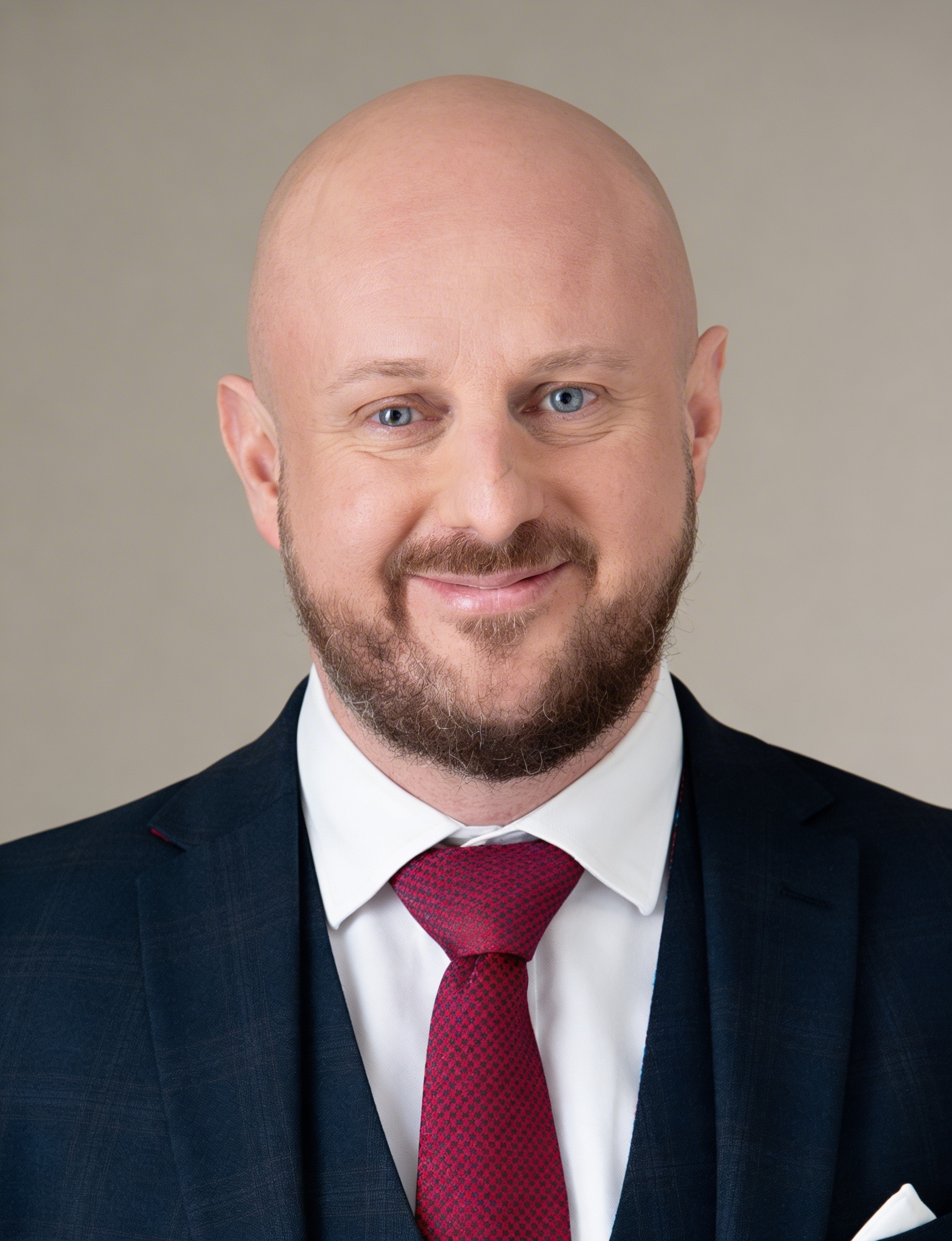
Nathan Nagel, Muslim business leader and CEO of PLORVO, said the issue represents a growing health inequality that must be addressed.
“A weight management approach aligned with biology, faith and culture is urgently needed to save lives,” he said.
“We are all equal as humans, yet we are biologically different. Ignoring those differences means denying millions of people the right to fair and effective healthcare.”
The newly formed Global Muslim Weight Management Group Ltd is calling for several urgent reforms, including:
- Immediate changes to national obesity measurement standards
- Earlier medical intervention thresholds for at-risk communities
- Improved access to diagnosis and treatment
- Clinical guidelines based on biologically accurate data across ethnic groups.
Campaigners warn that without reform, the Invisible Obesity crisis will continue to grow – particularly within communities already facing disproportionate levels of metabolic disease.
As Ramadan encourages reflection and renewal, health leaders say it should also mark a turning point in tackling health inequality and ensuring that no community is overlooked in the fight against obesity-related disease.


