

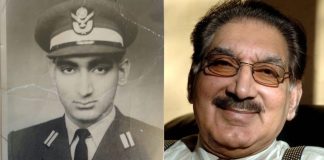
The UK Police Force today prides itself on inclusivity and diversity, welcoming people from all ethnic backgrounds. However, in the 1960s, Britain was a different place. Despite the Commonwealth encouraging migration, barriers remained, especially for those seeking careers in public service.
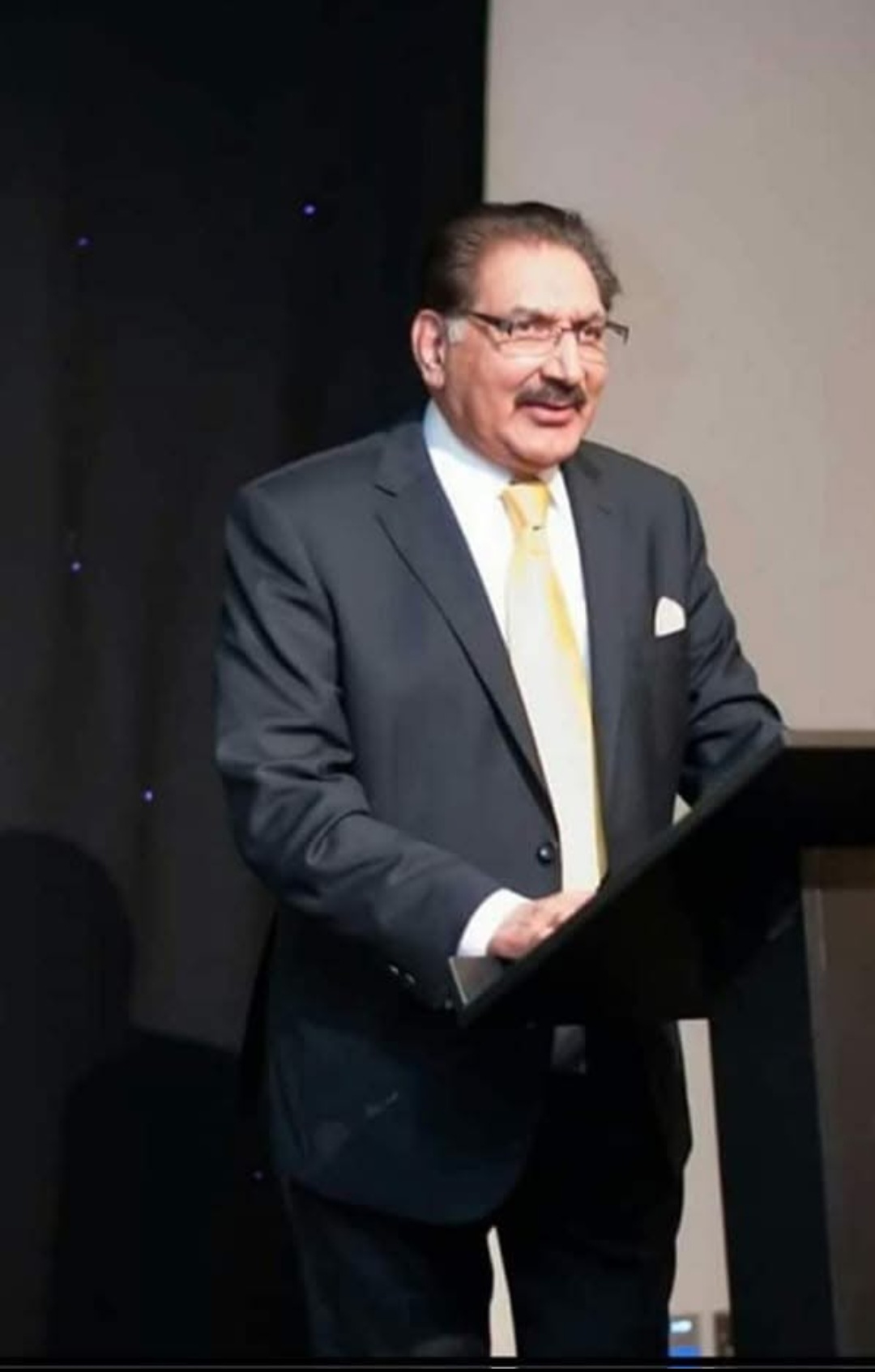
Rashid Awan’s life stands as a testament to how one individual can drive change, not simply by challenging prejudice but by working within institutions to foster a fairer society.
His son, Qasem Awan reflects on his father’s lasting impact: “He made inroads for Asians in the police force. A young Asian officer recently told me, ‘It’s because of your father that I and many of my colleagues are here today. He opened doors for us.’”
Though Mr Awan passed away in 2013 at the age of 75, his legacy continues to inspire generations.
Beyond his pioneering career, Mr Awan was a devoted family man. He is survived by his wife, Khalida, children Huma, Asma, Sofia, Aysha, and Qasem, and grandchildren Haris, Zara, Aleena, Amaan, Ibrahim, and Sulayman.
His son describes the values his father instilled: “His core beliefs were equality, hard work, and the value of education. He deeply believed that everyone should be given a fair chance, regardless of their background.”
These principles shaped not only his family but also his community work, earning him the
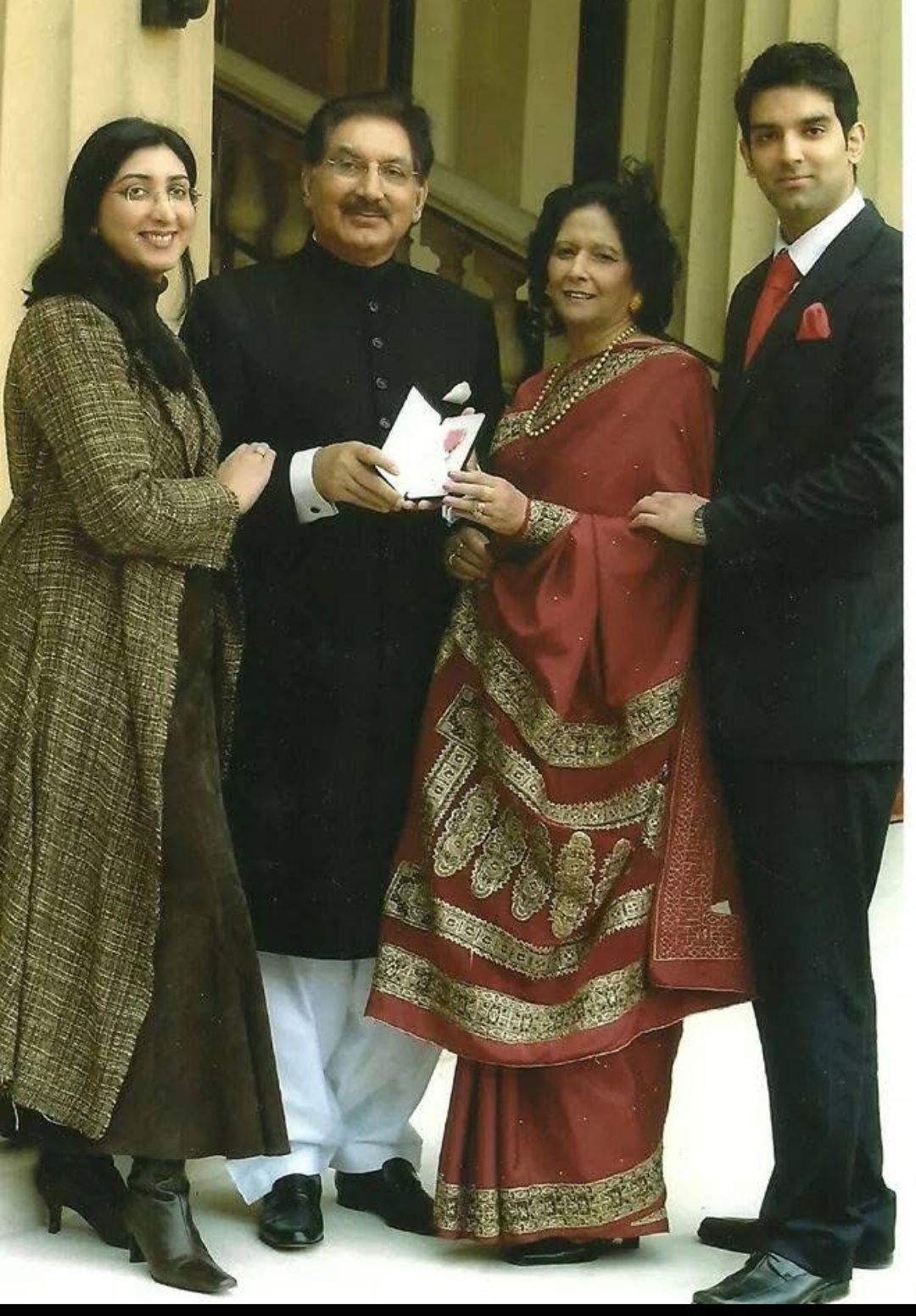
Police Long Service Medal in 1991 and an MBE in 2008 for outstanding contributions to society – an honour personally awarded by King Charles.
Born in Lahore, the capital of Pakistan’s Punjab province, Mr Awan was educated at the prestigious University of Punjab, where he studied Aeronautical Engineering. After serving in the Air Force, he pursued his passion for law enforcement.
In 1963, he moved to London with his wife, determined to join the UK police force. However, at the time, policing was an exclusive domain for white officers.
“He wanted to serve, but the force only admitted white English people,” Qasem explains.
Undeterred, Mr Awan persevered, and when legislation changed, he officially joined in 1967.
“For him, policing was about serving the community. In those days, officers were deeply embedded in their neighbourhoods—everybody knew their local bobby.”
Despite securing a role in the force, Mr Awan faced racism from colleagues.
“Racism was a normal part of life back then. There were no legal protections like today. Many colleagues saw him as different and made offensive jokes, including remarks about the smell of curry.”
However, the public response was overwhelmingly positive.
“The Asian community was incredibly proud. Many couldn’t speak English, and seeing one of their own enforcing the law reassured them. It was a landmark moment, a Pakistani man in uniform, representing them.”
Beyond policing, Mr Awan dedicated himself to strengthening ties between ethnic minorities and law enforcement. He served as President of the Pakistan Society of West Yorkshire for 20 years, founded the Minority Ethnic Police Liaison Committee in 2005, and worked with organisations like Citizens Advice and the Connecting Communities Board. His efforts were recognised in 2004 when he was named ‘Citizen of Bradford.’
His proudest achievement came in 2008 when he was awarded an MBE for his services to the community.
Qasem recalls the family’s pride on their visit to Buckingham Palace: “I remember peering through the palace gates as a child, never imagining that one day we’d be welcomed inside. When they opened the doors for us, it was an emotional moment, my father’s hard work had brought us here.”
Reflecting on his father’s impact, Qasem says: “His legacy is that he made inroads for Asians in the police force. He showed that real change happens from within. Instead of walking away from difficult situations, he faced them head-on and built a path for others to follow.”
Asked what advice his father would give to young Asians aspiring to make a difference, Qasem’s response is clear: “Work hard, tackle challenges head-on, and don’t shy away from adversity. The best way to create change is to be part of the system and challenge it from within.”
Mr Awan’s life remains a powerful example of resilience, leadership, and the enduring impact of breaking barriers. His pioneering spirit will forever be remembered by both his family and the community he served.


