

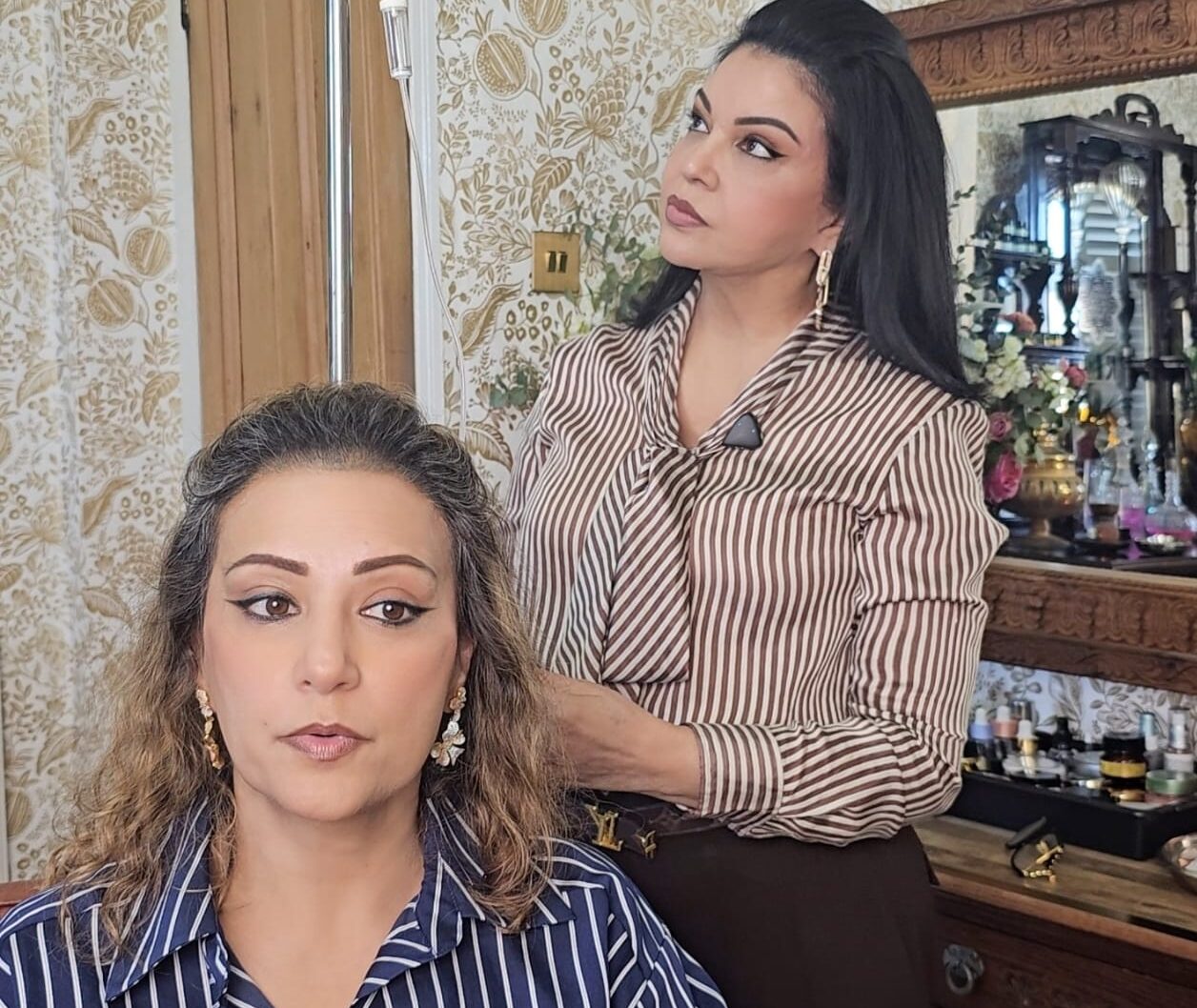
A West Yorkshire salon owner is speaking out against the harmful culture of skin-colour shaming within South Asian communities after one client’s journey highlighted the lasting impact of the phrase “kaali kaloti”.
Beauty therapist Prity Farooq, founder of Prity’s Skincare, says outdated attitudes towards darker complexions continue to affect the confidence of many women who walk through her clinic doors.

One of them is Dolly Tonge, who was born in Kenya and grew up in a large family with two sisters and two brothers. As a child, Dolly recalls how her darker complexion, shaped partly by the East African climate, made her the target of teasing from relatives and peers.
She was frequently labelled “kaali kaloti” a Punjabi phrase often used to mock darker skin and imply bad luck.
“Growing up hearing that no one would marry you because of the colour of your skin can leave deep scars,” Prity said. “Those words stay with people long after childhood.”
The constant remarks affected Dolly’s self-confidence well into adulthood. But over the past year, regular visits to Prity’s clinic have helped her rebuild a healthier relationship with her appearance.
Prity says the approach goes beyond cosmetic treatments.
“She didn’t need to change who she was,” she explained. “What she needed was reassurance that the skin she is in is beautiful.”
Through a combination of skincare treatments including CO2 laser therapy, Morpheus8, DPL laser procedures, skin boosters and IV drips Prity worked with Dolly to improve overall skin health and restore a natural glow.
But the transformation, she says, has been as much emotional as it has been physical.
Alongside treatments, Dolly began attending Prity’s wellbeing and mental health workshops, which focus on positive affirmations, self-
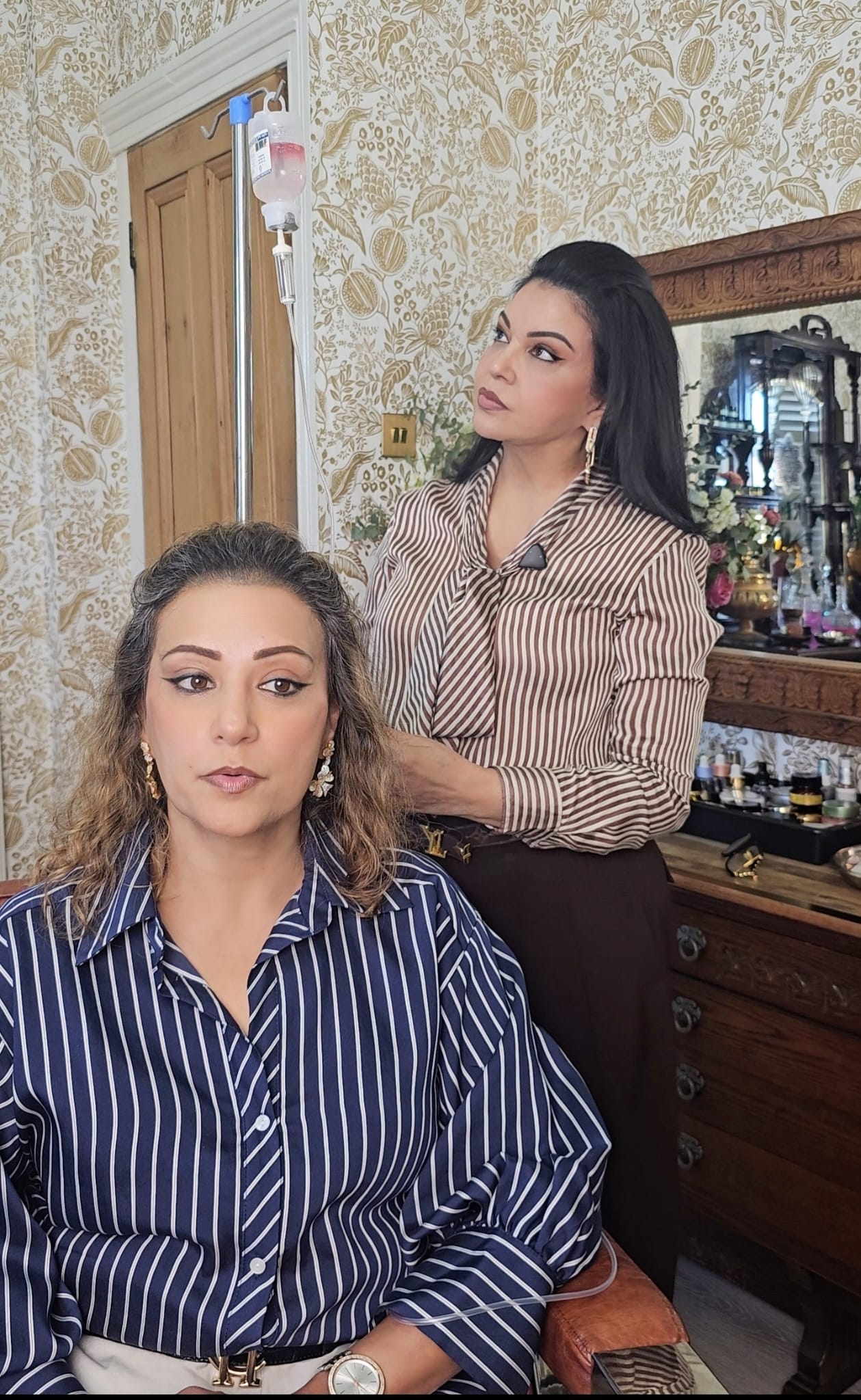
esteem and learning to embrace one’s natural appearance.
“It’s about rebuilding confidence,” Prity added. “When someone has been told for years that their skin tone is a problem, you have to help them unlearn that.”
Colourism discrimination based on skin tone remains a persistent issue across many South Asian cultures, where lighter complexions have historically been associated with beauty, status and marriage prospects.
Campaigners say such attitudes are deeply rooted in colonial histories, media portrayals and the long-standing promotion of skin-lightening products.
Prity believes it is time for the narrative to shift.
“Dark skin can be incredibly beautiful,” she said. “Healthy skin is what
matters. The glow comes from looking after yourself and being confident in who you are.”
While advanced skincare treatments can enhance skin texture and radiance, Prity emphasises that her message is not about changing skin colour but about caring for the skin and challenging outdated beauty standards.
“People often come in asking how they can become lighter,” she said. “I tell them the goal isn’t lighter, it’s healthier, brighter and more confident.”
For Dolly, the journey has been about reclaiming her self-worth after years of internalising harmful comments.
“She’s learned to appreciate her natural complexion and the unique beauty it brings,” Prity said. “And that confidence shines far brighter than any treatment.”
Prity hopes stories like Dolly’s will encourage open conversations about colour bias within families and communities.
“We need to stop using words like ‘kaali kaloti’ as jokes or insults,” she said. “The next generation deserves to grow up hearing that every shade of skin is something to be proud of.”


