

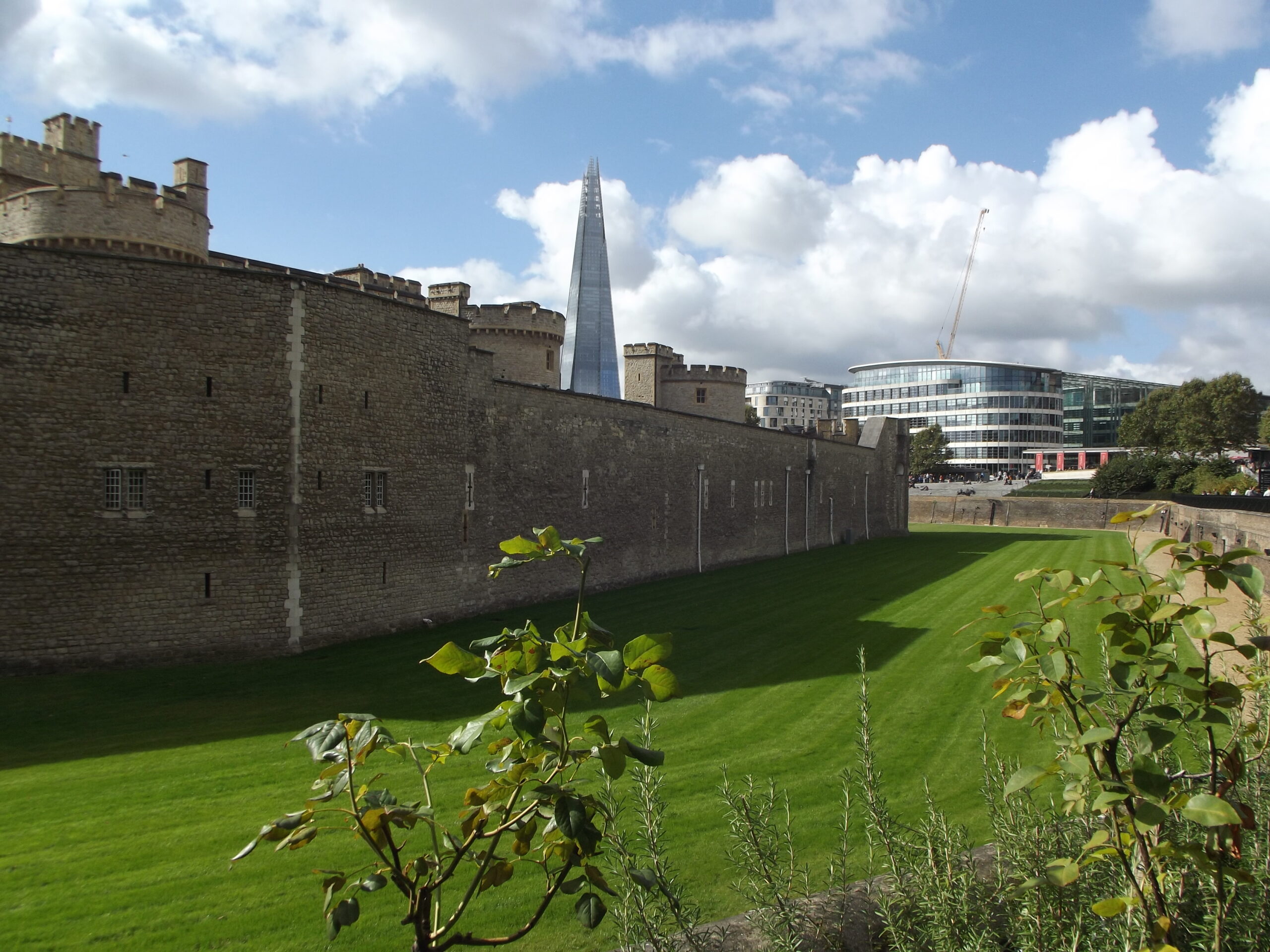
The Tower of London’s moat is set to undergo a major transformation after plans were approved to create wetlands, ponds, meadows and public spaces around the historic landmark.
Tower Hamlets Council has granted planning permission for Historic Royal Palaces redevelopment scheme, which will see water return to parts of the moat for the first time since the 1840s.
The project aims to create what planning documents describe as an “ecologically rich moat landscape” that responds to biodiversity loss and water scarcity while helping visitors reconnect with the site’s defensive history.
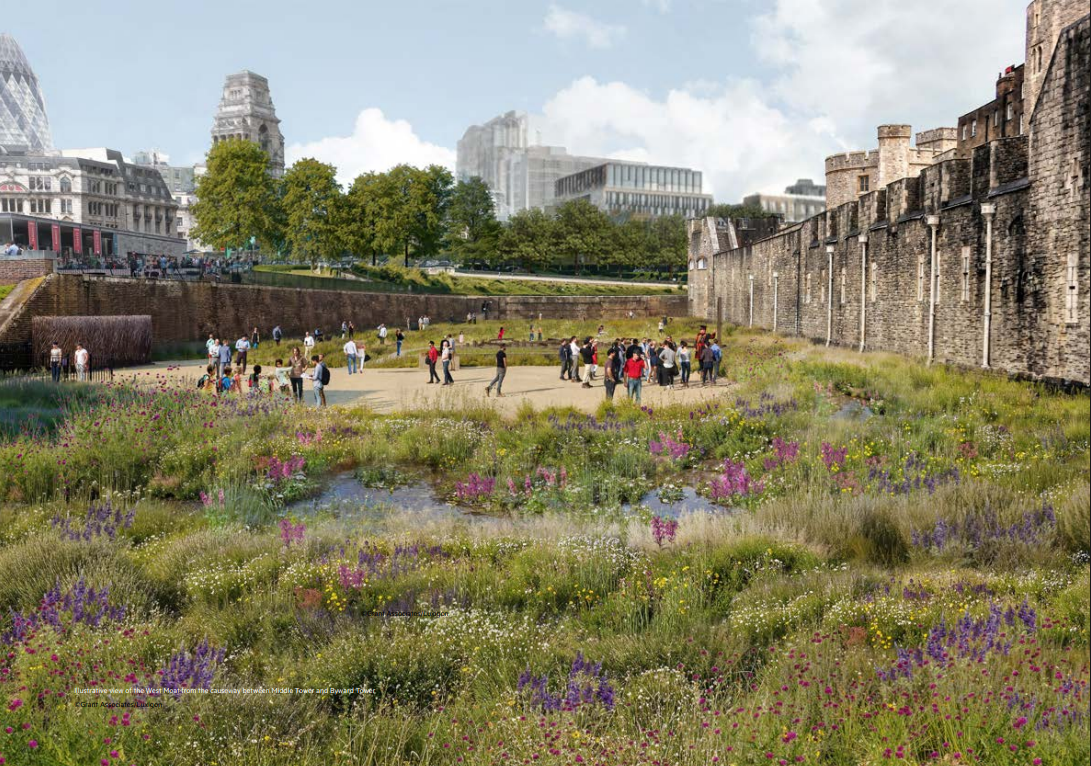
Under the approved plans, the moat will remain publicly accessible and feature a mix of wetlands, ponds, grassland and meadow areas, alongside pathways, seating and educational spaces.
The western section of the moat will include rain gardens fed by historic water spouts in the revetment wall, an open meadow and a large gathering space near the entrance.
Along the northern side, new memorial features will commemorate the First and Second World Wars. These include a sculpture of a First World War soldier emerging from planting and a Women’s Auxiliary Air Force member holding the cable of a barrage balloon.
A seating area will also be created at the site of the former North Bastion Tower, which was heavily damaged during the Second World War and later demolished.
The eastern moat will focus on education and nature, featuring a learning pond for school visits and activity spaces exploring how the moat historically supported food production, industry and daily life within the Tower.
The site is currently occupied by the wildflower installation created for the Tower’s 2022 Superbloom project.
However, planning documents note that maintaining the attraction during the heatwaves of summer 2022 required significant amounts of water, with emergency irrigation supplies running low during periods of drought.
Under the new scheme, storm water collected through a 19th-century culvert will be used to help maintain wetland areas during dry weather.
Council planning officers acknowledged the development would alter the appearance of the historic moat and cause what they described as “less than substantial harm” to the significance of the Tower of London.
However, they concluded that the impact would not affect the site’s status as a World Heritage Site and would be outweighed by public benefits, including improved biodiversity, climate resilience, sustainability and visitor experience.
Planning officers formally approved the scheme on 17 July.


