

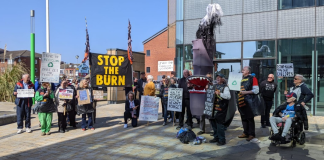
A local authority is poised to vote to continue to play its part in plans that will eventually see a new incinerator built and operated in the region. Middlesbrough Council is one of the seven local authorities that is part of the Tees Valley Energy Recovery Facility (TVERF) scheme.
A total of 18 recommendations are being made to the council’s Labour Executive, who will vote on the proposals at an upcoming public meeting, on Wednesday 8 October. If the high-ranking councillors vote in favour, papers explain that the recommendations will allow the council to move to financial close on the procurement of the TVERF, which is due to be situated in Grangetown.
In other local authorities involved in the scheme, there have been firmly-held views against the plans, such as in Redcar & Cleveland, which has seen some councillors along with anti-incineration groups oppose the scheme both on environmental and financial grounds. There has not been the same level of public distaste for the scheme in Middlesbrough.
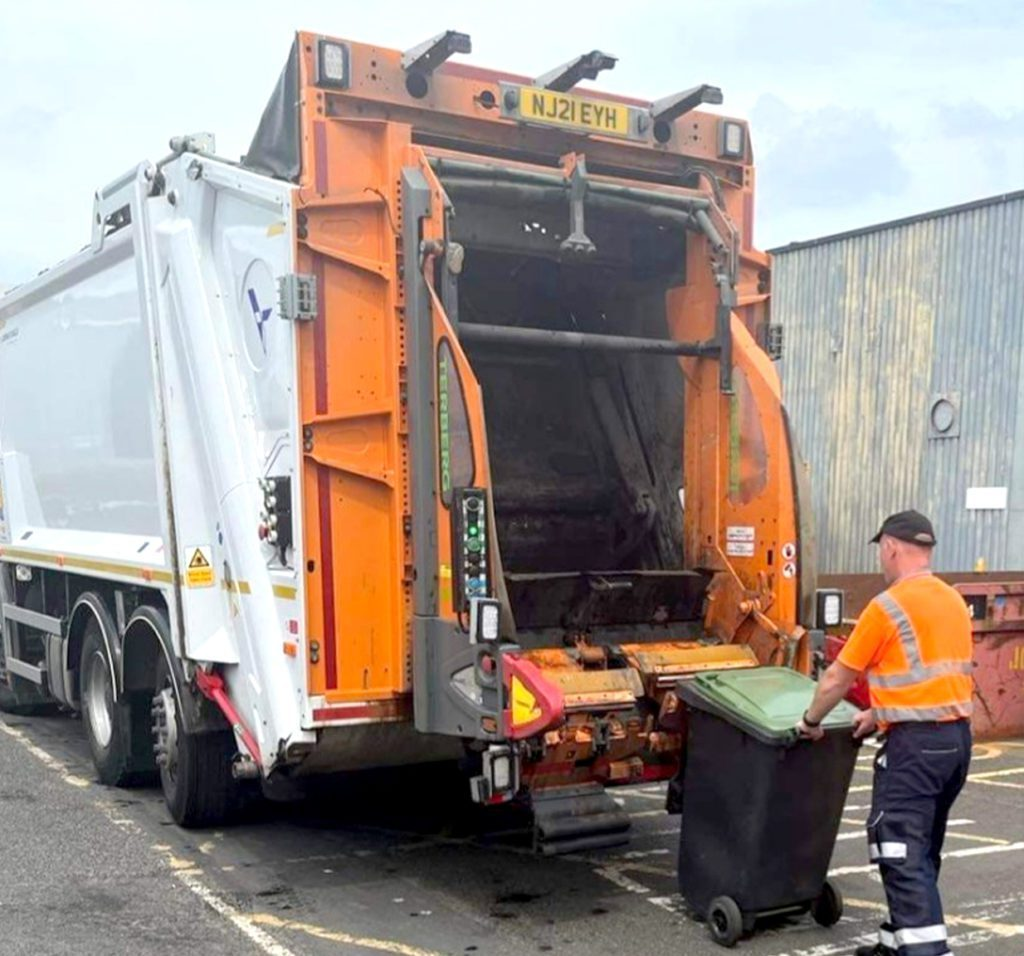
Image: TVERF
Papers detail that one of the proposals is to approve the creation of the Local Authority Special Purpose Vehicle (LA SPV), which is required to be established as a limited company incorporated and registered at Companies House. It will be the contracting entity representing the seven councils and will enter into the project agreement with the successful contractor and the lease with South Tees Development Corporation Teesworks for the site.
Documents argue that the new incinerator would provide value for money and meet all environmental regulations, while also allowing Middlesbrough to significantly increase its recycling rates. The seven councils involved in the project are Redcar & Cleveland, Middlesbrough, Stockton, Hartlepool and Darlington (who together make up the Tees Valley Combined Authority), along with County Durham and Newcastle.
When it comes to affordability, documents going in front of executive members said: “The price per tonne achieved through the procurement process is at present £143 average price over the life of the contract at 25/26 prices indexed at CPI. This is below the ceiling limit that was set. The negotiations will continue to financial close with a view to reducing the price per tonne further.”
The 2025/26 budget for residual waste disposal is £5.6m. Council papers explain that the current price paid under the current arrangements for residual waste disposal is £128.29 per tonne with an estimated inflationary rise to £144.97 per tonne in 2029/30. The average annual tonnage is currently around 39,000 tonnes. This is expected to reduce over the next few years following the introduction of the government’s Simpler Recycling Initiatives.
Detailed in the report is the “guaranteed minimum tonnage” under the project agreement, which must see 310,000 tonnes per annum sent to the incinerator. Middlesbrough must send at least 30,646 tonnes of waste per annum, which equates to approximately 10% of the total.
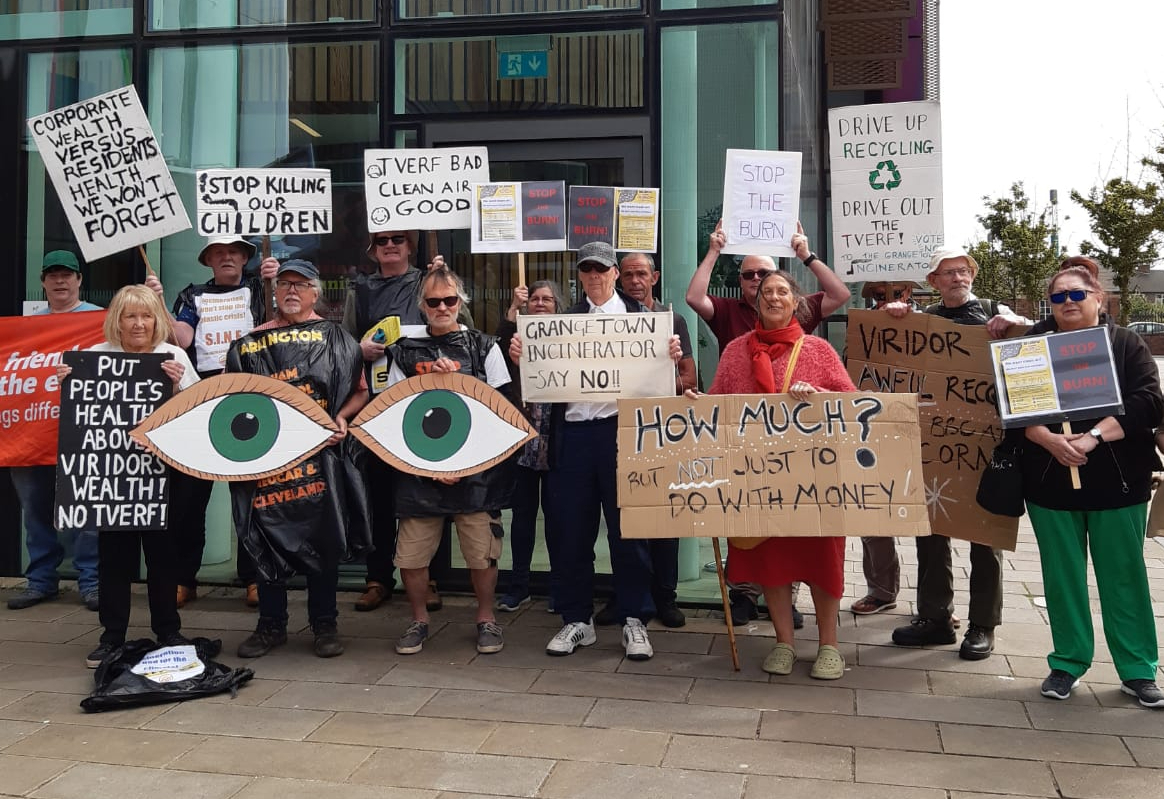
Image: Kate Bramfitt
Tonnage is broadly in line with the populations of varying local authorities, with County Durham set to commit to a larger amount than anywhere else. If a council fails to provide its guaranteed minimum tonnage, it may still have to pay for its full mandated allocation.
In other areas, such as Newcastle, there have been non-binding votes by councillors who want to see their authorities pull out of the scheme. The leader of Durham County Council has described the deal as “horrible”, telling the Local Democracy Reporting Service last month that he fears local authorities missing out on the benefits of new technology if they are locked into a decades-long contract requiring them to send waste to the Grangetown incinerator.
The vast compound is due to be built near Redcar which could burn up to 450,000 tonnes of waste every year from seven of the North East’s councils. Redcar & Cleveland Council has seen protests against the plans as well as numerous votes on the matter. Recently, operator Viridor was confirmed for the controversial household waste incinerator.
When it comes to other options available to Middlesbrough’s Executive and why these haven’t been recommended, documents explain that the seven councils were required to undertake a procurement process due to their existing waste treatment contract arrangements due to expire in 2026. By procuring this contract together, economies of scale are said to provide enhanced value for money for the local authorities.
But if this approach is not agreed, then Middlesbrough would have to undertake a fresh procurement of a merchant contract. Council chiefs believe that this will deliver a higher gate price due to the lack of competition in the market.


