


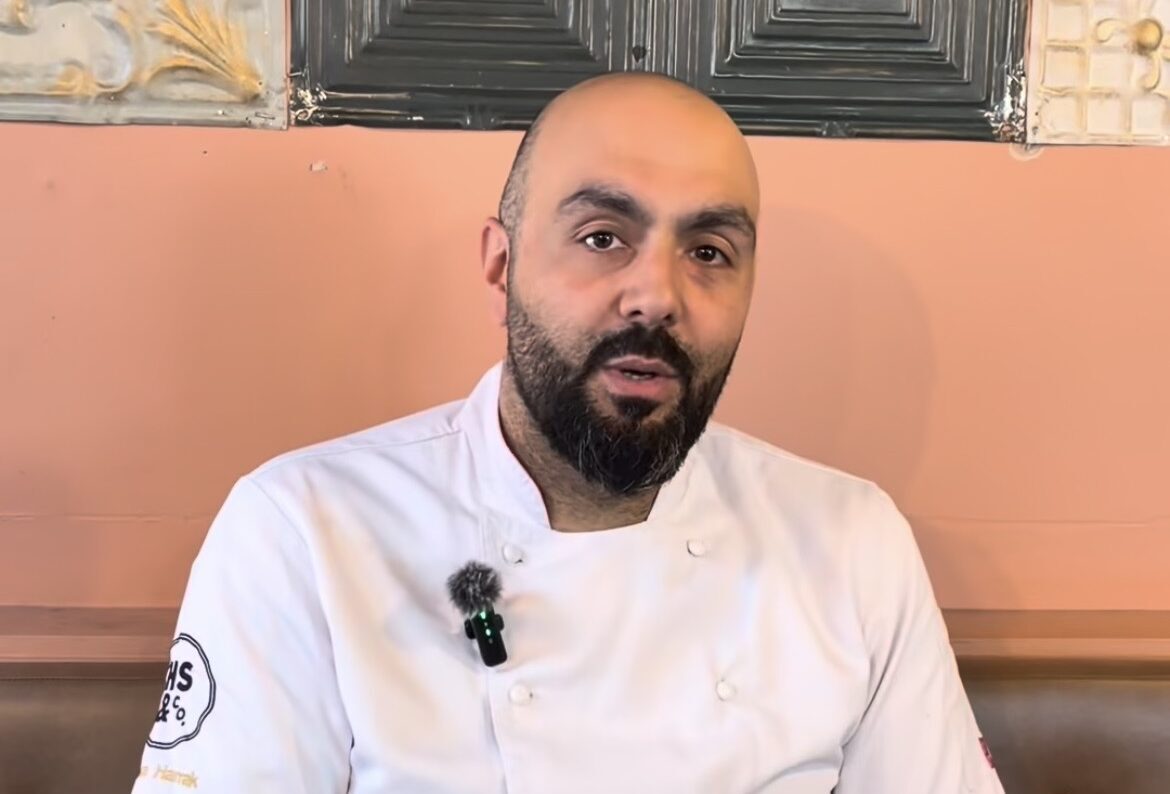
Restaurant owner Hamza Harrack has reignited the debate over influencer marketing after publicly criticising content creators who approach small businesses asking for free meals or paid collaborations in exchange for social media exposure.
In a video shared on Instagram, the restaurant owner and chef warned fellow business owners to be cautious of influencers offering services, saying that in his recent experience it was “really disappointing behaviour towards a small business and whilst ignoring us he was still trying to plan another collab with other restaurants.”
Despite the influencer having over 60k followers and both parties agreeing on a collaboration it had not been a fair exchange.
“Just recently we had one of these so-called-influencers reach out to us and invited them down and offered them a free 3 course meal however, this person tried to turn up with 4 and tried to be cheeky and said can we get a meal for four? Of course we didn’t allow it. “They ate like there was no tomorrow, thanked us, said the meal was great and left, we thought nothing of it…yet we are still waiting for a review.” Harrack said.
“I feel like I’ve been ghosted, I feel like I’ve been on a date and been ghosted, it’s just not fair…when you promise to come down and have a meal you should then respond to us. If you didn’t like it let us know.” He continued.
His comments have struck a chord with many hospitality businesses, with similar stories emerging from restaurant owners who say they have been approached by influencers requesting complimentary meals or charging hundreds, and sometimes thousands, of pounds for promotional content as well as people asking for these influences to be called out more often.
“We need to as an industry, name and shame when they do this.” Wrote Michelin star chef, Paul Foster under the video.
The debate isn’t new, but it has become increasingly common as influencer marketing continues to grow. While many restaurants actively work with content creators as part of their marketing strategy, others argue that the value of these partnerships depends on genuine engagement rather than follower numbers alone.
In May this year, Troy Beck, owner of “Nothingman” in Pittsburgh, shared screenshots of an influencer offering promotional packages costing up to $1,800 in exchange for Instagram Reels, Stories and reposted content. The restaurant declined the offer, saying it preferred to build its reputation through the quality of its food rather than paid praise. The exchange quickly went viral, with other businesses sharing similar experiences online.
For independent restaurants operating on tight margins, deciding whether to invest in influencer marketing can be a difficult decision. Unlike large restaurant chains with dedicated advertising budgets, many family-run businesses rely on word-of-mouth recommendations, repeat customers and local community support.
“If you didn’t like it let us know but if you say nothing, ghost us and don’t write a review then you’ve just taken something for nothing really.” Harrack said.
As social media continues to shape where people choose to eat, the relationship between restaurants and influencers is likely to remain a balancing act. For some businesses, creator partnerships are an effective way to reach new audiences. For others, genuine recommendations from paying customers remain the most valuable form of promotion.
Harrack’s video has once again highlighted a question many independent businesses continue to ask: when does influencer marketing become worthwhile, and when is it simply another cost that small businesses cannot afford?


