


Days after one of the companies involved in the Tyne nurdle spill admitted the clean-up operation had “not met community expectations”, pressure is continuing to mount for a stronger response, with a Sunderland MP calling for authorities to “scale up” efforts to tackle the growing plastic pollution crisis.
Sunderland Central MP Lewis Atkinson has urged agencies involved in the response to intensify clean-up efforts after plastic pellets, known as nurdles, began washing up on Sunderland’s coastline following the collision between two ships at the Port of Tyne on 19 July.
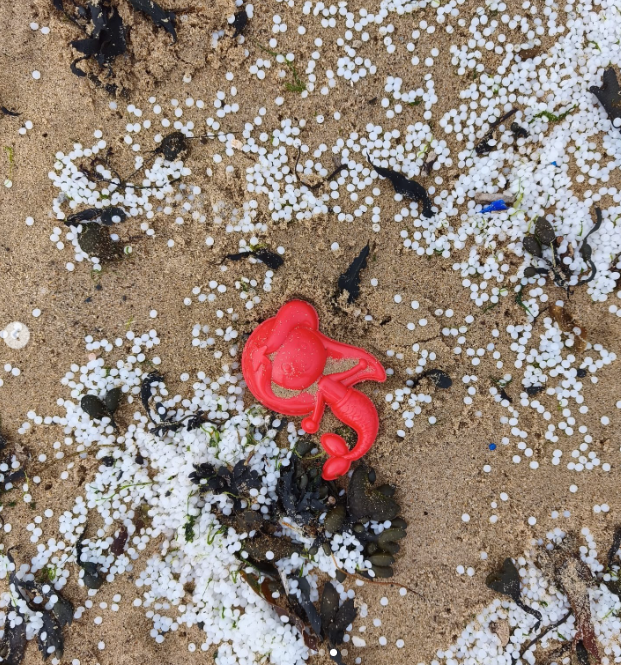
Around 25 tonnes of the tiny plastic pellets, used as the raw material for manufacturing plastic products, are believed to have entered the River Tyne after the crash between the Wind Orca and container ship BG Orange. Since then, nurdles have washed ashore along beaches across the North East, including Seaburn and Roker, prompting large-scale clean-up efforts involving councils, environmental organisations and volunteers.
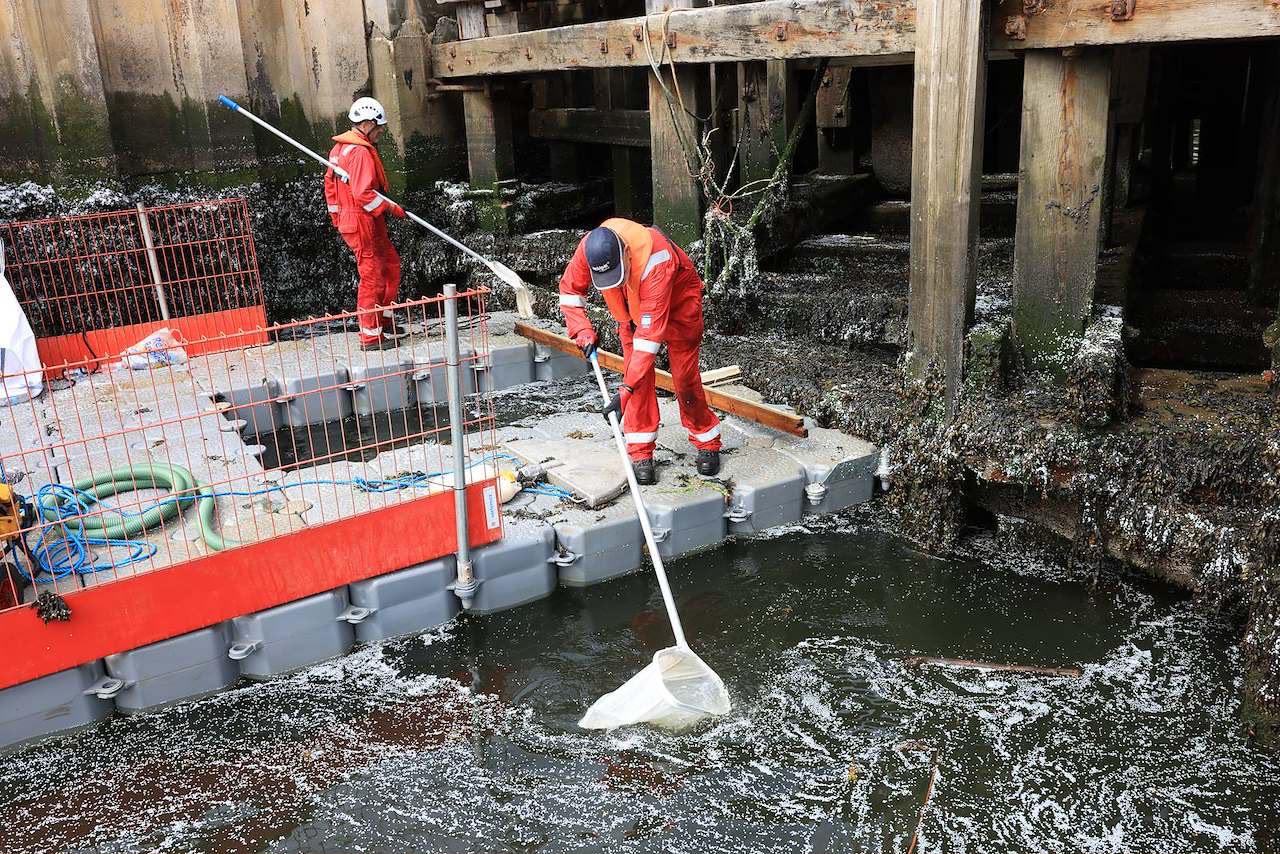
The renewed calls come after Cadeler, owner of the Wind Orca, acknowledged over the weekend that the pace of the initial response had “not met community expectations” and confirmed that additional specialist contractors had now been deployed to strengthen the clean-up operation.
Posting on Facebook, Mr Atkinson described the pollution as a potential environmental disaster and said authorities should respond with greater urgency. He said: “While these plastic pellets are non-toxic and any risks to public health are considered to be very low, pollution on this scale along the North East coast is a potential disaster for the environment and marine life. I expect the scale and urgency of the response to match that seriousness.”
The Labour MP said he had contacted both the Environment Agency and Sunderland City Council to press for faster action. “Put simply, every time a nurdle is washed ashore, then it should be cleaned up promptly before the tide comes back in,” he added.
More than one billion individual pellets are estimated to have spilled into the river, with North East Mayor Kim McGuinness previously calling on the two shipping companies involved to cover the cost of what she described as a long and expensive clean-up.
Mr Atkinson backed that position, saying the “polluter pays” principle should apply. He said: “Local taxpayers are not and cannot be liable for clean-up costs. I cannot therefore see any reason why the level of response should not be all-out.”
Sunderland City Council confirmed that only small quantities of nurdles have so far been found on the city’s beaches and said teams were continuing to remove them as they are reported.
The MP also thanked council staff, volunteers and partner agencies already involved in the response, but urged organisations to ensure public messaging remained clear and consistent.
A stretch of the River Tyne between Royal Quays and the River Don is due to close on 30 July to allow further salvage operations to take place.
Residents who spot plastic pellets on Sunderland’s beaches or shoreline are being asked to report them through Sunderland City Council’s online reporting system, including the location, date and time, an estimate of the quantity found and, where possible, photographs.


