

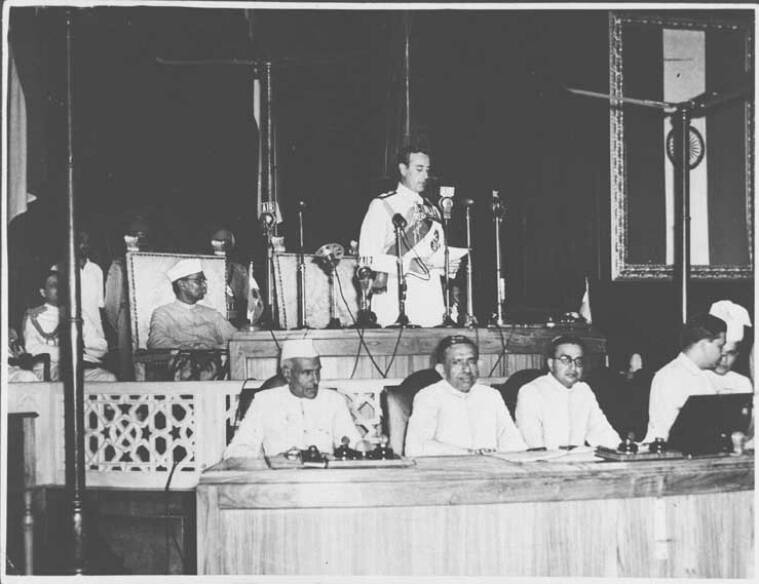
Flags will fly on both sides of the border this week.
In Pakistan, 14 August will be celebrated with national pride. Twenty-four hours later, India will mark its Independence Day with the same sense of patriotism.
There is much to celebrate. Both nations finally emerged from British colonial rule in 1947 and generations since have built countries with distinct identities, cultures and achievements.
But perhaps an anniversary is also a moment to ask a more difficult question.
Seventy-nine years after independence, why are India and Pakistan still fighting each other?
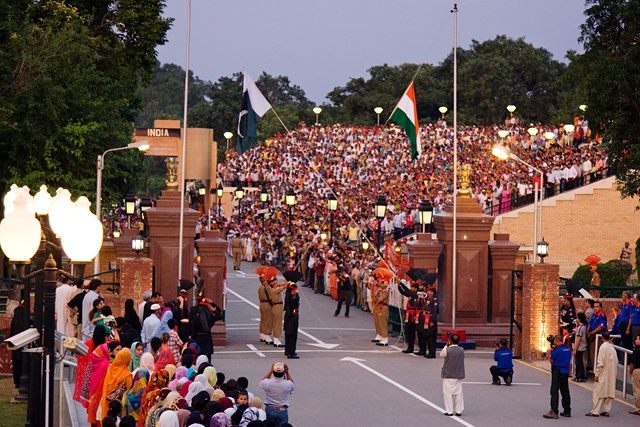
They were once part of the same land. Communities lived alongside one another, sharing languages, food, music, poetry and traditions that did not suddenly disappear when a British lawyer drew a border across a map.
Partition created two independent states. It did not, however, bring peace between them.
India and Pakistan have fought wars, endured repeated military confrontations and spent decades locked in disputes over Kashmir. Both eventually acquired nuclear weapons.
And as recently as May 2025, the world was reminded just how dangerous that relationship remains.
Following the killing of 26 people in an attack on tourists in Pahalgam in Indian-administered Kashmir, India blamed Pakistan-linked militants. Pakistan denied involvement.
India subsequently launched military strikes inside Pakistan, which it said targeted terrorist infrastructure. Pakistan responded. For four days, missiles, drones and aircraft brought two nuclear-armed neighbours into their most intense military confrontation in nearly three decades before a ceasefire halted the escalation.
Once again, ordinary people on both sides were left wondering how far it might go.
So how did two countries celebrating freedom from the same colonial power inherit a relationship so consumed by one another?
Perhaps part of the answer lies in questioning what we think we know about Partition itself.
Was Partition really just about religion?
The familiar explanation is deceptively simple: Muslims wanted Pakistan while Hindus wanted India.
History is considerably more complicated.
Professors Navtej K Purewal and Eleanor Newbigin of SOAS University of London have challenged what they describe as myths surrounding
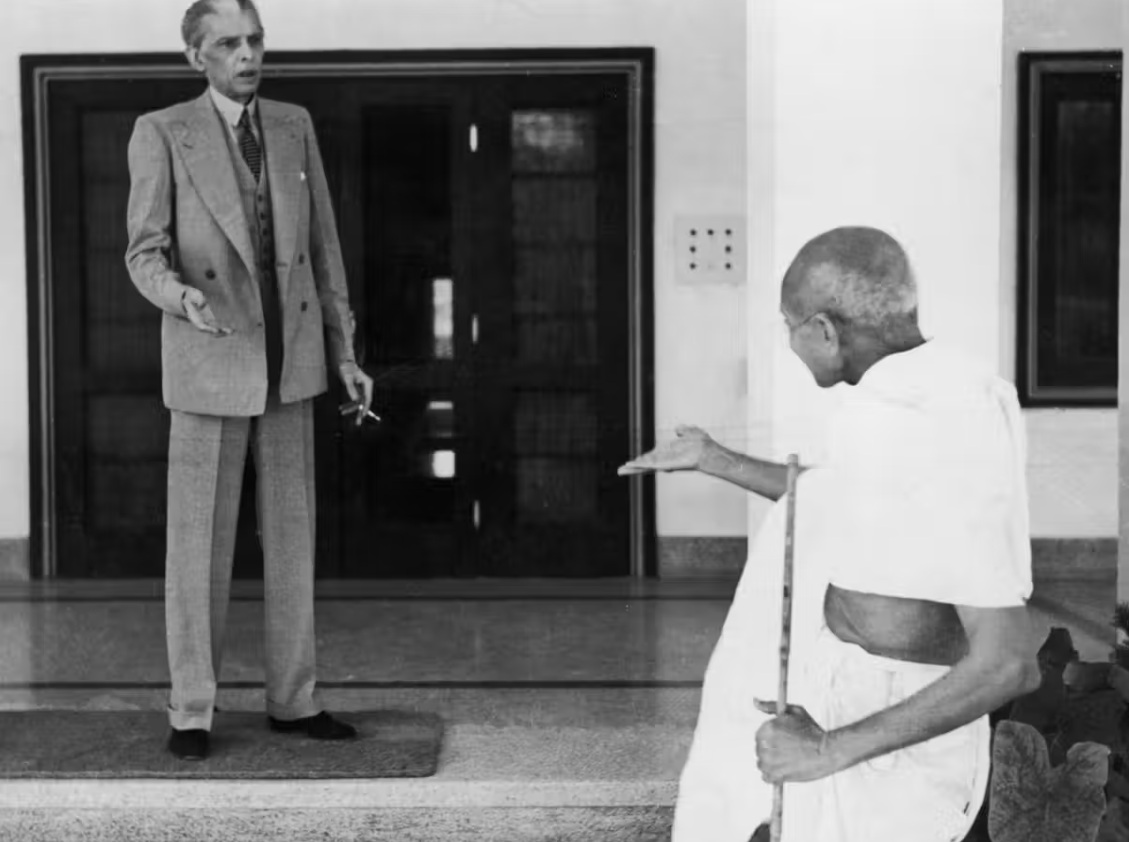
Partition, including the assumption that its primary purpose was simply to resolve religious differences.
British colonial administration had increasingly classified an enormously diverse population through religious categories. Yet Hindu, Muslim and Sikh communities were not culturally separate civilisations neatly occupying different pieces of land.
People shared languages, neighbourhoods, occupations and regional identities.
Even the demand that became Pakistan was far less settled than hindsight sometimes suggests.
The Muslim League’s Lahore Resolution of 1940 referred to independent “states”, plural. Historians continue to debate whether Muhammad Ali Jinnah initially saw the proposal as an ultimate objective or as leverage to secure political safeguards for Muslims in a future independent India.
What eventually emerged in August 1947 was decided with extraordinary speed.
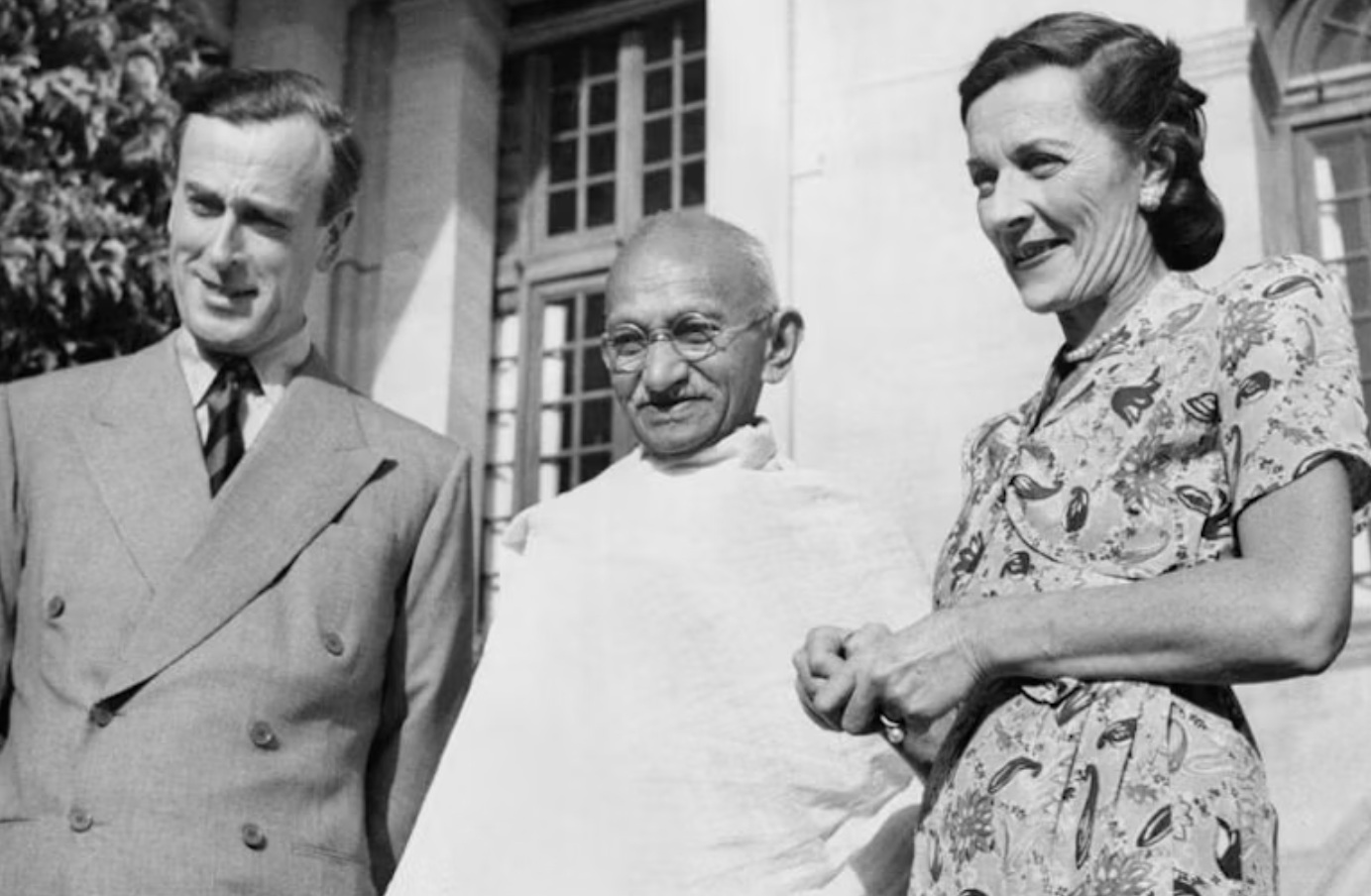
Britain had originally intended to transfer power by June 1948. Lord Mountbatten instead brought independence forward to August 1947.
The plan to divide the subcontinent was announced on 3 June.
Within weeks, British lawyer Sir Cyril Radcliffe, who had never previously visited India, was charged with drawing boundaries through Punjab and Bengal.
Millions of people did not even know which country their homes would fall into when independence arrived.
The final boundaries were published on 17 August, after India and Pakistan had already become independent.
The consequences were catastrophic.
Estimates vary, but somewhere between 10 million and 17 million people were displaced in one of the largest migrations of the 20th century. Muslims travelled towards Pakistan while millions of Hindus and Sikhs moved towards India.
Hundreds of thousands were killed; some estimates place the death toll considerably higher. Women were raped, abducted and murdered. Families disappeared. Villages were emptied. Refugee trains arrived carrying the dead.
A border created countries.
It also created trauma.
From neighbours to enemies
That raises another question.
If Partition provided separate countries, why did the division not settle the conflict?
One fascinating explanation comes from Jawad Kadir, then a doctoral researcher at Lancaster University, who argued in 2018 that the rivalry between India and Pakistan is not merely territorial or ideological but psychological.
He compared it to a family feud.
There is something striking in that interpretation.
Before Partition, Hindus, Muslims and Sikhs had not existed in completely separate worlds. Across large parts of the subcontinent they shared cultural traditions, languages and social structures.
In Punjab, the word often used for Partition is batwara.
Its meaning is revealing.
Rather than simply describing the creation of countries, it can describe the division of ancestral property within a family.
Seen through that lens, India and Pakistan are not simply neighbouring states that happen to disagree.
They are relatives who went through an extraordinarily traumatic separation, and subsequently built parts of their national identities in opposition to one another.
Perhaps that explains why cricket matches can carry the emotional weight of political contests, why border incidents can trigger waves of nationalism and why Kashmir remains about far more than territory.
Kadir argued that psychological “nearness” may actually intensify rivalry.
Sometimes those who resemble us most can become those from whom we work hardest to distinguish ourselves.
And then there is Kashmir
No discussion of the continuing legacy of Partition can avoid Kashmir.
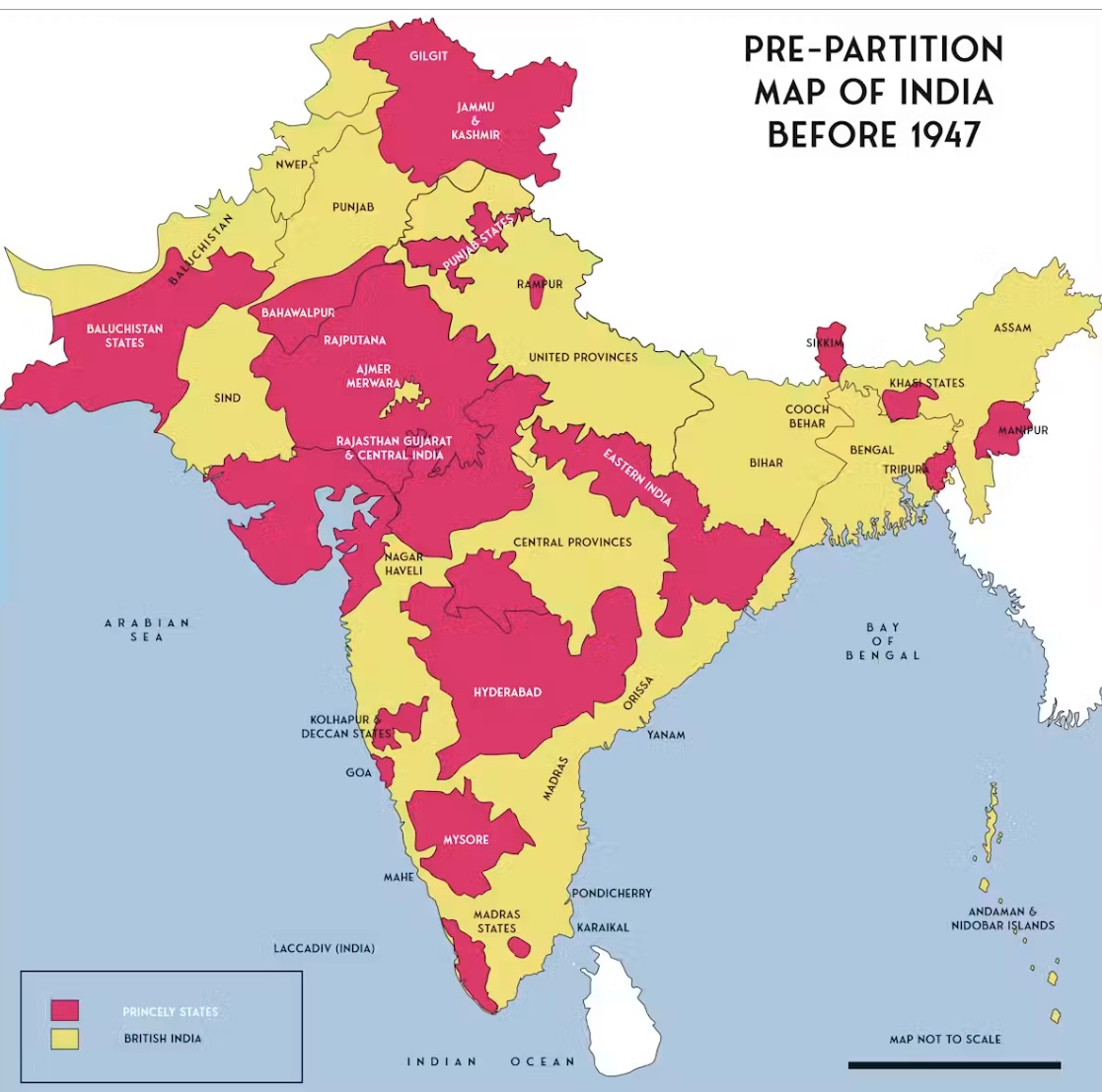
Unlike much of British India, Jammu and Kashmir was a princely state. Its Hindu ruler, Maharaja Hari Singh, signed an Instrument of Accession to India in October 1947 after tribal forces from Pakistan entered the territory.
War followed.
India and Pakistan have disputed Kashmir ever since.
The United Nations became involved in 1948 and proposals for a plebiscite were made, but no such vote took place.
Today the former princely state remains divided, with areas administered by India and Pakistan, while both claim territory there. China also controls territory claimed by India.
Kashmir therefore became perhaps the most enduring unfinished business of Partition.
But after 79 years, another question deserves asking.
How many more generations should inherit it?
Who benefits from permanent hostility?
This may be the most uncomfortable question of all.
Ordinary Indians and Pakistanis bear the consequences of confrontation: soldiers die, families living near borders are displaced, businesses lose trade and communities live with uncertainty.
When tensions escalated in Kashmir last year, tourism suffered dramatically on both sides. Hotels lost bookings, workers lost livelihoods and communities dependent on visitors faced economic hardship.
Yet political hostility also has uses.
An external enemy can unite populations. National security can dominate political debate. Military strength becomes a source of national pride. Domestic disagreements can temporarily disappear when attention turns across the border.
That does not mean every disagreement between India and Pakistan is manufactured. There are genuine and profound disputes, security concerns and competing accounts of history.
Nor does reconciliation require either country to surrender its national identity.
But 79 years after independence, it is legitimate to ask whether permanent antagonism serves the people of either nation.
Because away from governments and borders, another version of India and Pakistan exists.
It can be seen particularly clearly in Britain.
Britain shows another possibility
For Britain’s South Asian communities, Partition is not distant history.
Many British Pakistani, Indian and Bangladeshi families trace their roots to Punjab, Kashmir, Bengal, Sindh and other regions transformed by
1947.
Some carry stories of grandparents forced from their homes. Others know villages their families could never return to.
Yet here something remarkable has happened.
Their descendants often live alongside one another again.
Indians and Pakistanis work together. Their children attend the same schools. Families shop in the same areas, eat at each other’s restaurants, listen to the same music and often understand the same languages.
The border can sometimes feel simultaneously enormous and strangely irrelevant.
Perhaps that offers one of the most important lessons 79 years later.
Independence should be celebrated.
Pakistanis should be able to celebrate Pakistan. Indians should be able to celebrate India. Neither expression of pride requires hostility towards the other.
And remembering Partition should not mean inheriting its hatred.
The generation that witnessed 1947 is disappearing. With them go first-hand memories of what existed before the border – and of what happened when neighbours were suddenly encouraged to see one another through the identities of Hindu, Muslim and Sikh.
Their descendants now face a choice about what they inherit.
The trauma?
The rivalry?
Or the lesson?
Seventy-nine years ago, British India was divided and two independent nations emerged.
Perhaps, as another Independence Day arrives on both sides of the border, the question is no longer whether India and Pakistan can ever become one again.
They are two countries, with their own identities and histories.
The more important question is much simpler.
After 79 years of independence, can they finally learn to live as neighbours?


