

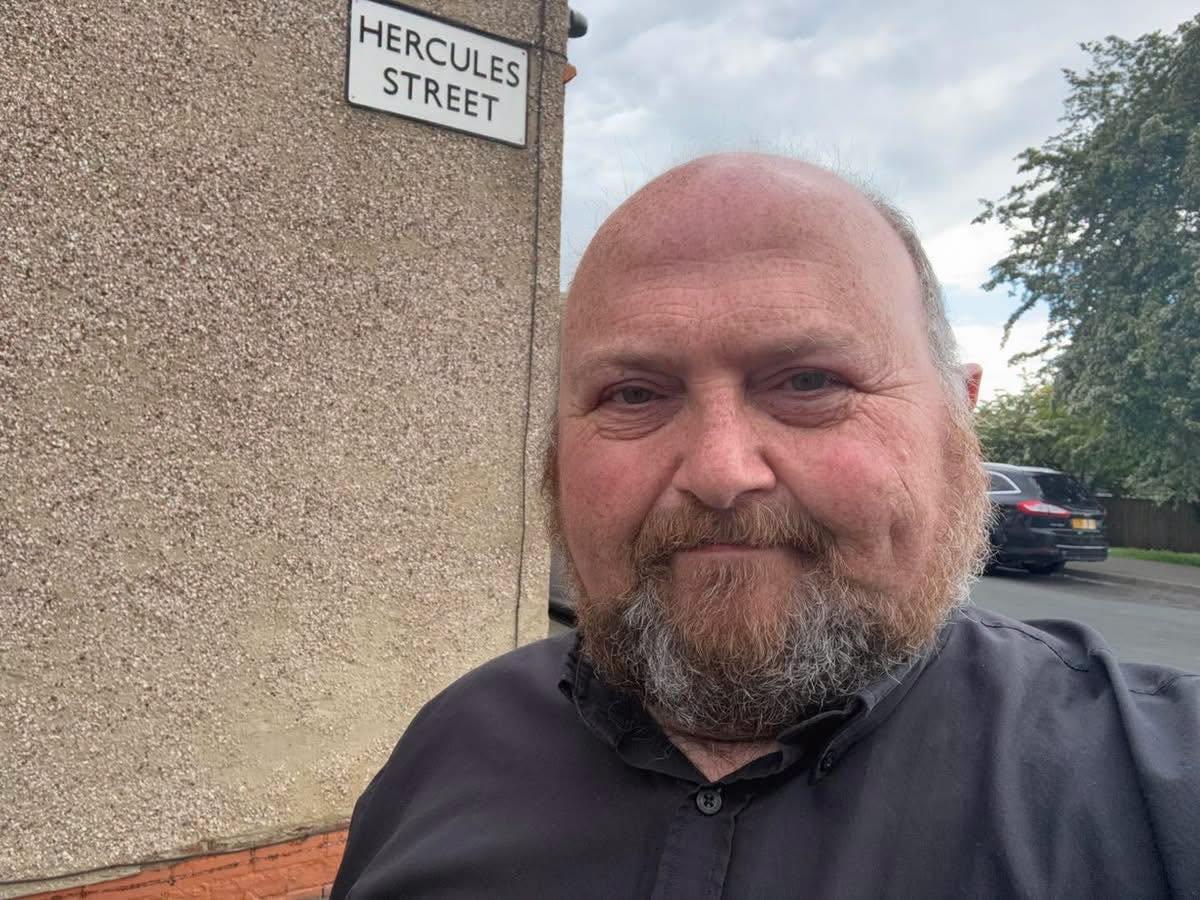
A councillor has warned of a “real issue” with far-right radicalisation in Darlington amid concerns that racist attitudes among some parents and carers are filtering through to children.
Councillor Nick Wallis said a local school had reported racism directed towards refugee children, with staff indicating that some of the attitudes were coming from parents or carers.
He also warned that anti-Muslim and far-right rhetoric had become “commonplace” on some local Facebook groups, arguing that such views risked becoming normalised.
His comments came as Darlington Borough Council considered a report which found there was no disproportionate number of children and young people being considered through the Prevent and Channel process.
The number of cases was described as “very small”, with detailed figures withheld because of the risk of identifying individual children, young people or their families.
However, Cllr Wallis, cabinet member for children and young people, warned that the figures should not lead to complacency over the threat of far-right radicalisation.
Speaking at a Children and Young People Scrutiny Committee meeting, he said: “Schools are very clear that it is coming from parents or carers and you only have to look online at some local sites on Facebook where anti-Muslim and far-right rhetoric is commonplace.
“We have almost normalised it as a society.”
Cllr Wallis said research suggested racist attitudes held by parents and carers could make children more vulnerable to far-right radicalisation.
“These children absorb the attitudes of parents and other family members,” he said.
“While the numbers in Darlington are very small – that’s reassuring – bubbling below the surface, there is a real issue with far-right radicalisation. It absolutely isn’t acceptable.”
Prevent forms part of the Government’s counter-terrorism strategy and is designed to safeguard people who may be vulnerable to becoming involved in terrorism or supporting terrorist activity.
The council report said Darlington’s approach focused on safeguarding and early intervention, with agencies working to identify and support those considered vulnerable to radicalisation.
Cllr Wallis said the small number of children currently being considered through the process was reassuring, but warned the wider environment in which young people were growing up could not be ignored.
His concerns highlight the potential impact that racist and anti-Muslim rhetoric within families and online spaces can have on children, even where the number of young people requiring formal intervention remains low.


