

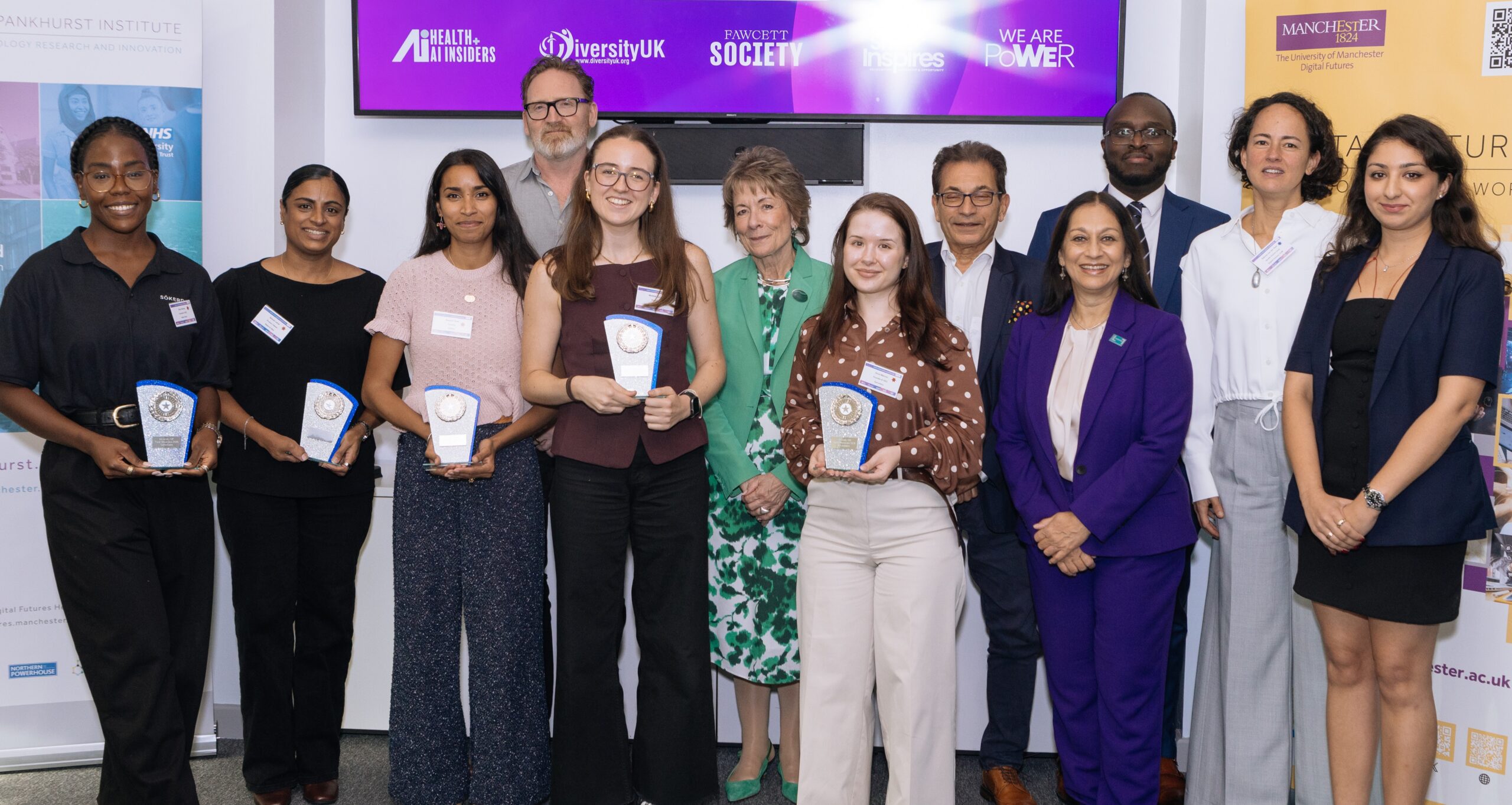
Women’s health innovation must begin with listening to women and addressing the problems they face, Sareeta Vala has said, as five projects received awards at a technology summit in Manchester.
Vala, a trustee of Diversity UK who curated the Tech Showcase judging, highlighted the practical purpose behind the winning technologies, from helping women understand their symptoms to developing earlier predictions of pregnancy complications.
“Women’s health has been overlooked for far too long, but these awards show that innovation is changing the picture,” she said. “What impressed us about this year’s awardees was not just the technology, but the real-world problems they are tackling.”
Her comments, alongside those of Diversity UK chair Lopa Patel MBE, placed women’s experiences and inequalities in healthcare at the centre of the Women’s Health Technology Summit, held on 1 October.
For South Asian readers, the emphasis on whose voices shape healthcare raises a wider question of representation: who is heard when new tools are designed, and whose experiences are reflected in the data behind them?
The summit’s discussions addressed medical misogyny, investment in women’s health and feminist artificial intelligence, bringing together representatives from healthcare, research, technology, investment and public policy.
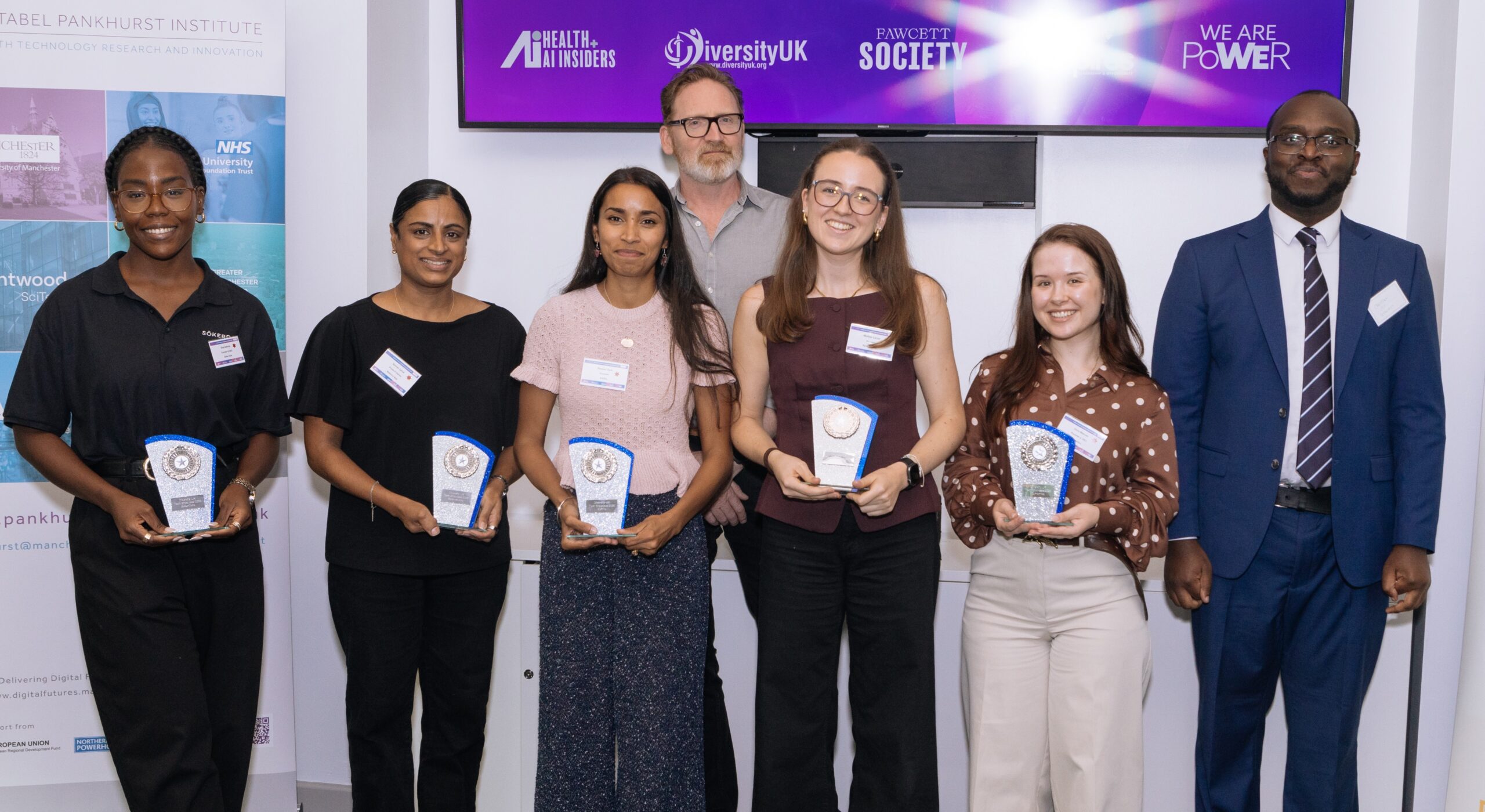
Vala said the award recipients were working on gaps that affect women at different stages of their lives.
“From helping women make sense of their symptoms and be better prepared for conversations with clinicians, to spotting pregnancy risks earlier, improving how we study women’s health, tackling bias in medical data and putting women at the centre of product design, these innovators are turning important gaps into opportunities for change,” she said.
The five recipients were Balance, an app providing information and support around hormone health; Gynomics, which is developing tools to predict pregnancy complications earlier; InViFlo, which develops platforms that recreate living human tissues for research; Söker Data, which focuses on addressing historical biases in medicine; and Synkit Health, a women’s health and wellbeing startup.
Several of the projects remain at an early stage. The awards recognise their approaches and development work, rather than establishing that every proposed solution is already available to patients.
Patel, who co-hosted the summit, said progress required greater attention and investment, alongside cooperation between sectors.
“Women’s health is one of the defining health, economic and social challenges of our time, yet it continues to receive disproportionately low levels of attention and investment,” she said.
“Closing the women’s health gap requires collaboration across healthcare, research, technology, investment and public policy.”
The event was co-hosted by Diversity UK and the Greater Manchester Connected Health Ecosystem, with coordination from the University of Manchester’s Digital Futures, the Christabel Pankhurst Institute and Health Innovation Manchester.
Patel said its ambition was to challenge systemic inequalities and help build a healthcare system delivering better outcomes “for every woman and girl”.
For Vala, the measure of innovation was ultimately its usefulness to the women it seeks to serve.
“Each of the awardees is showing what’s possible when we listen to women, use technology intelligently and focus on solutions that can make a practical difference,” she said.


