

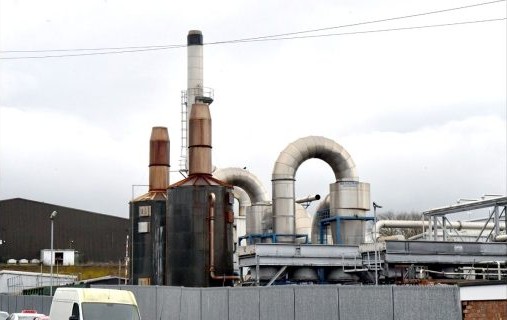
The long-running controversy over Bradford’s Waddingtons rendering plant has reached boiling point, with councillors warning “this situation can’t continue” as residents demand action over what they describe as a “gut-wrenching stench”.
An extraordinary meeting of Bradford Council’s Regulatory and Appeals Committee heard that the future of the Hammerton Street site could become clearer later this year. An independent odour investigation is expected to conclude by Spring, with potential enforcement decisions anticipated by Autumn.
The meeting was triggered by a petition signed by more than 1,200 people calling for operations at P Waddington & Co to be suspended pending a thorough review of its compliance with environmental regulations.
Waddingtons, one of Bradford’s oldest companies dating back to the 1880s, is one of just eight animal by-product rendering facilities in the UK. The plant processes animal remains, including bone and offal, converting them into biofuel and energy. The company maintains it operates under strict environmental controls and within the terms of its permit.
However, residents and councillors painted a starkly different picture.
Petition organiser Ummer Daraz described the plant as being located in a “highly populated” area, adding: “Our lived reality is that the stench travels beyond the site. It has been going on for decades, and it is persistent and increasing. Residents can’t open their windows without being assaulted by the odour.”
He claimed businesses on Leeds Road had reported an impact on trade and reputation.
Deputy Council Leader Imran Khan said: “Anyone who has visited Bradford city centre will recognise the significance of this petition. A foul stench hangs over my ward. It’s unbearable. Action is needed.”
He added that visitors during Bradford’s City of Culture year had commented on the smell, calling it “embarrassing for our city”. The odour, he said, was even present during the launch of the Council’s long-term growth plans, including the proposed Southern Gateway regeneration area surrounding the plant.
Councillor Ismail Uddin told officers: “You can smell the evidence. The community doesn’t need reassurance, it needs action.”
The committee was told residents had also reported bone ash falling onto nearby properties.
Council officers confirmed monitoring of the site had been stepped up and that a leading independent UK odour consultancy and UKAS-accredited laboratory had been appointed to gather robust data.
Jason Field, interim legal director, said: “Once we have the evidence, we will have a complete picture and can decide what action is appropriate.” He described revoking the plant’s permit as the “nuclear option”.
The meeting also heard that a report dated June 2025, only recently received by the Council, indicated the flow rate of one flue was operating at half capacity. Members questioned why the issue had not been flagged sooner.
“It feels like Waddingtons is marking its own homework,” said Councillor Ian Parsons.
Waddingtons director Alistair Collins said the company operates using the Best Available Techniques to reduce odours and will continue to cooperate fully with the Council’s investigation.
For now, the probe continues — but patience among residents appears to be wearing thin.


