

ADVERTORIAL
When Jaanaki’s sister first sensed something was wrong with her body, she pushed for answers. But instead of being heard, she met repeated dismissals from healthcare professionals. It took five blood tests before her devastating diagnosis of leukaemia, and the difficult journey that followed. Four years on, Jaanaki speaks through tears as she remembers her sister’s courage and the legacy she leaves behind. Her grief has shaped a determination to help make cancer care fairer for everyone, particularly within Britain’s South Asian communities where stigma and silence still shadow the subject.
“We just need to speak about cancer more and make it less of a taboo topic,” says Jaanaki Dhokia, a banker and founder of ‘In the City’, a wellness and networking community for women in London.
“Before my sister was diagnosed, we never spoke about cancer in the family. We never even really knew about cancer. I didn’t even know much about blood cancer and the diagnosis and the prognosis. So, I think making more of a conversation around cancer, making that the norm rather than treating it as a taboo topic, will help make a difference.”
She recalls with painful clarity how her sister insisted something wasn’t right but still wasn’t taken seriously.
“She did like five blood tests until she got diagnosed, but she just knew something was wrong in her body. She was like, ‘I am not okay, but the doctors keep telling me that I’m okay.’”
Sadly, her sister’s experience mirrors what Macmillan Cancer Support’s research has shown for years: cancer care in the UK simply isn’t fair. Black and South Asian communities face inequities at every stage of the cancer journey, from delays in diagnosis to poorer experiences once they enter the system. These inequalities appear starkly in statistics that show people from ethnically diverse backgrounds are less likely to trust healthcare professionals or cancer support organisations as sources of information.
It is this urgent and uncomfortable truth that sits behind Macmillan’s new strategy to do whatever it takes to help everyone with cancer get the best care the UK has to offer, whoever and wherever they are.
In London, the charity recently created a powerful “Open House” space, designed with the
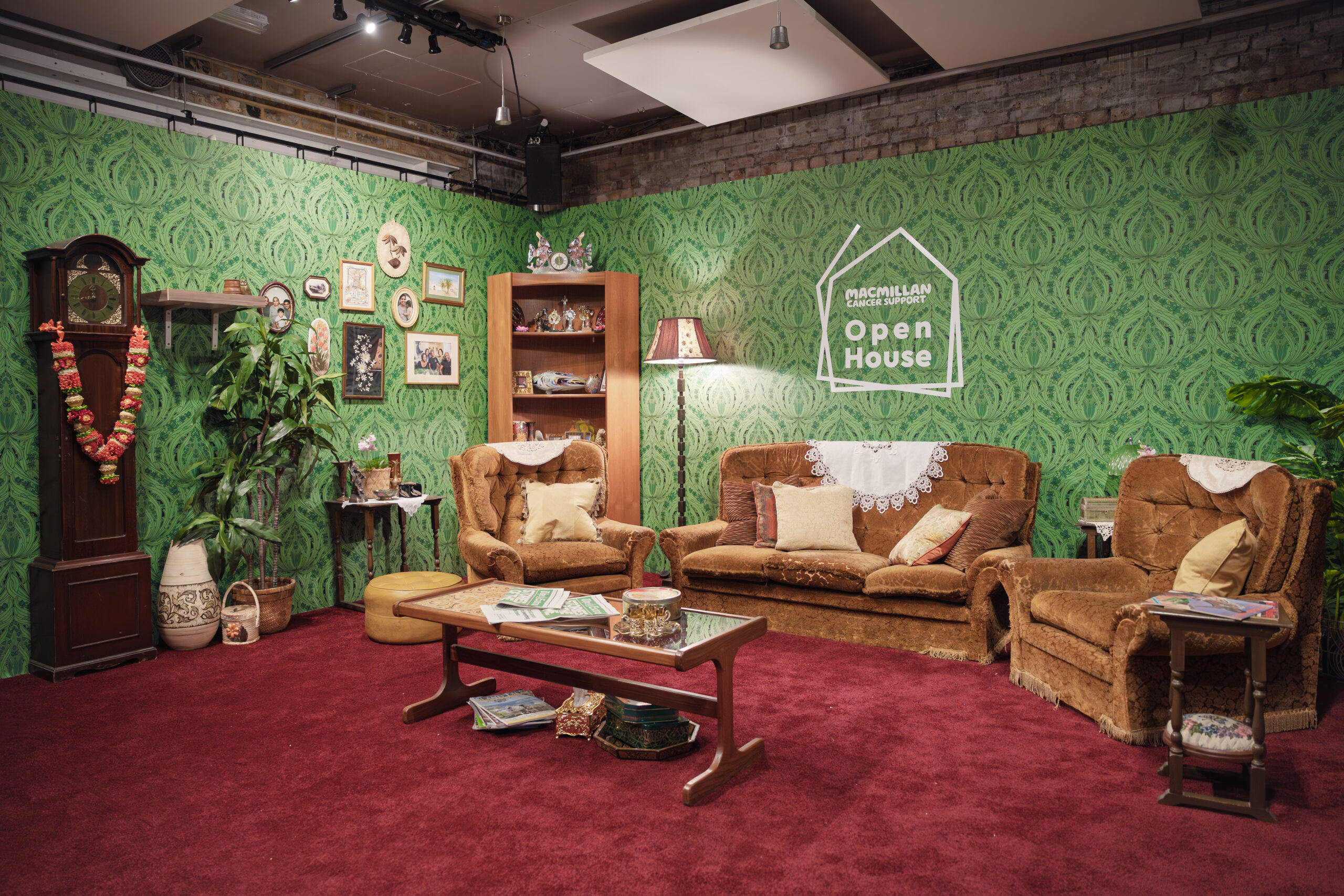
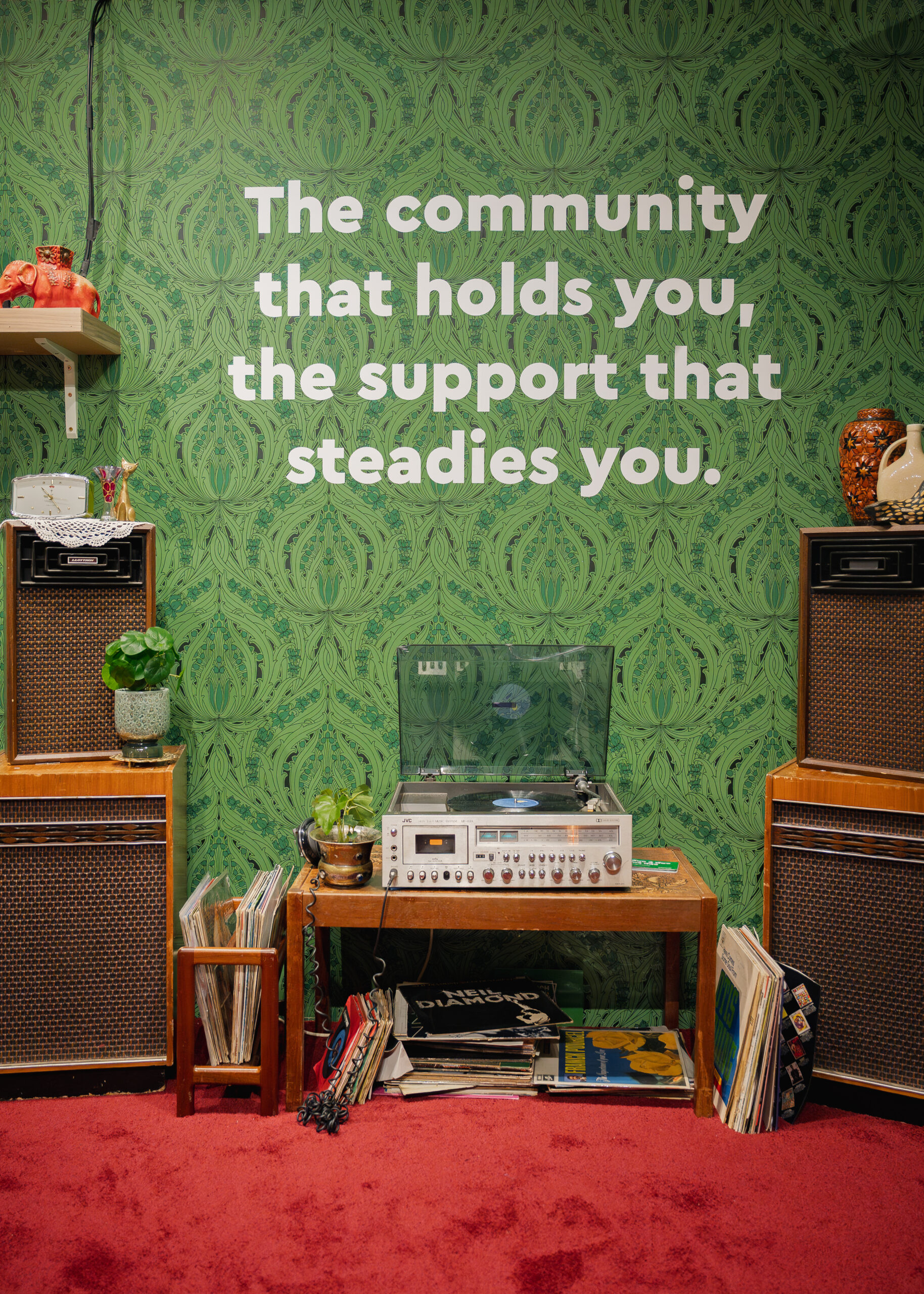
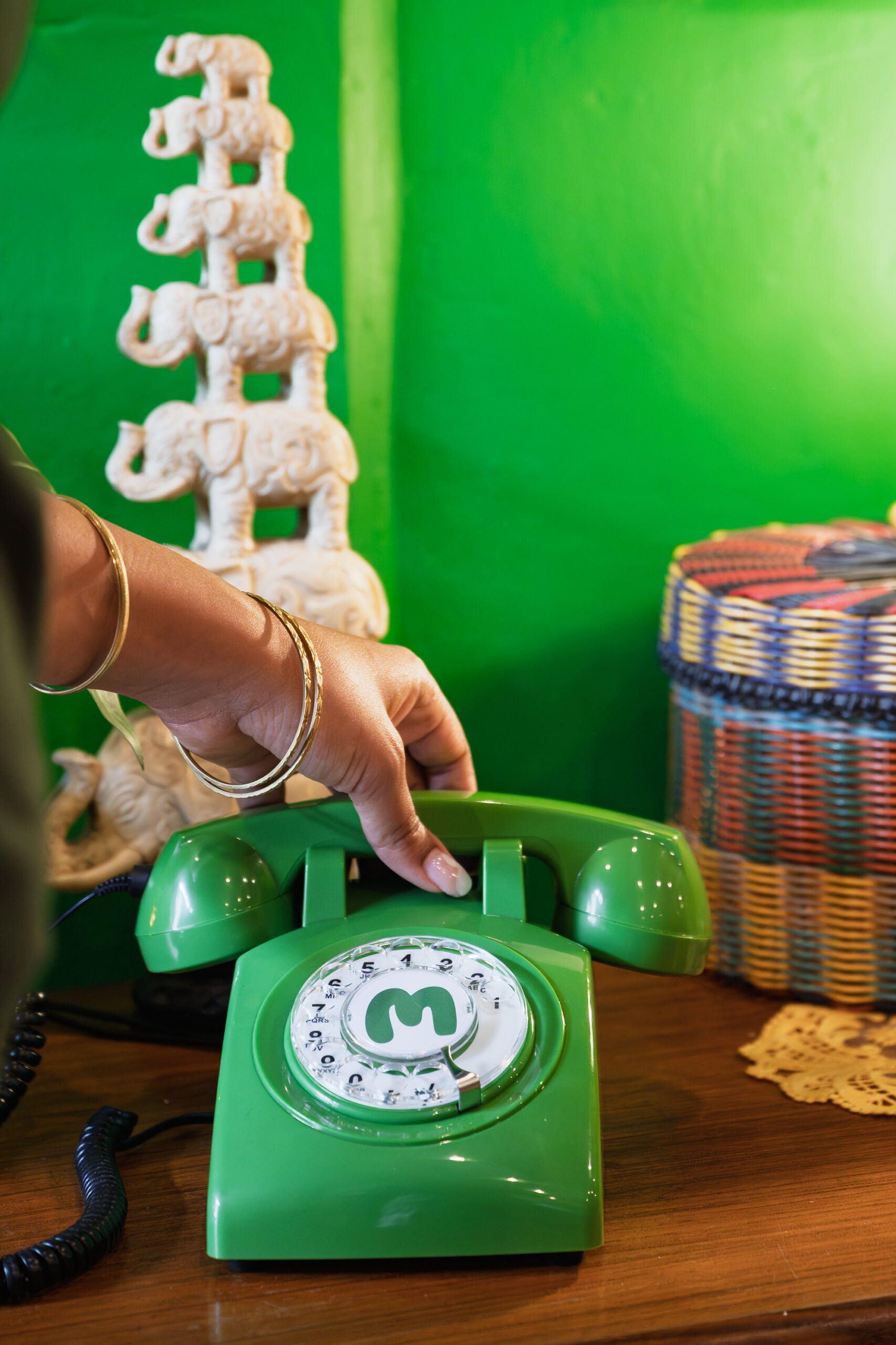
help of creative agency The Elephant Room. Co-created with Black and South Asian communities, the setting resembled a traditional family home, complete with doilies, framed portraits and familiar touches, to provide a culturally safe space to talk about cancer, culture and everything in between.
“This collaboration is a vital step in ensuring Macmillan is there for everyone who needs us, particularly those facing greater health inequities,” the charity notes. “We are working with communities across the UK to tackle the root causes of the worst cancer experiences and outcomes, and raise the standard for everyone, everywhere.”
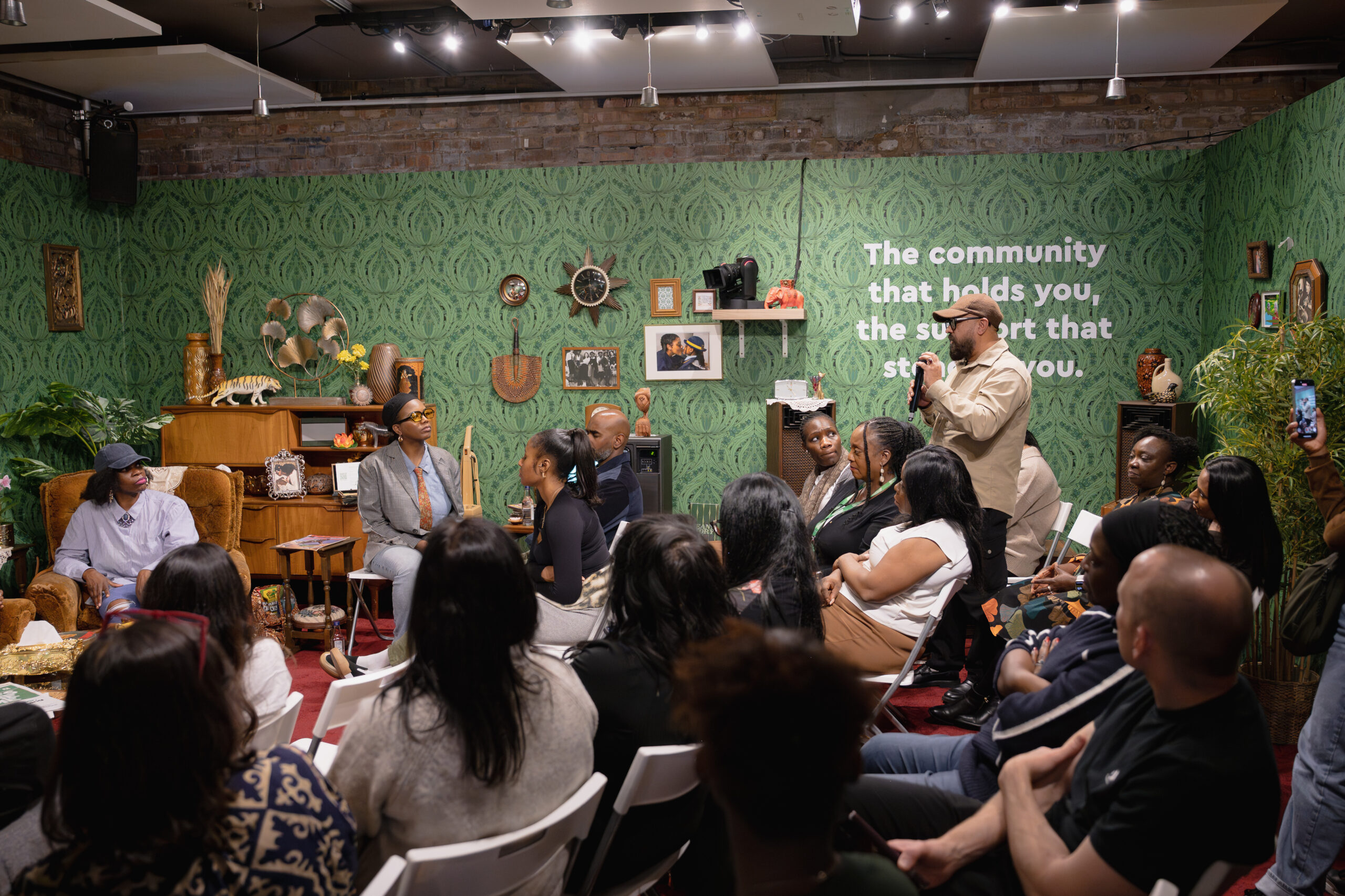
Across two days, the Open House was filled with warmth, emotion and connection. People living with cancer shared their stories, heavy, honest and brave. Families spoke of stigma and silence. Macmillan wellbeing experts guided breathing exercises as painful memories surfaced. The room often moved between tears and applause, united by the strength and vulnerability on display.
The charity emphasised its commitment: “At Macmillan we know that no one’s experience of cancer is the same. Whoever you are, whatever the need, we are here to help, from our free Support Line and Online Community to multilingual information, telephone buddy support, our online wellbeing hub and practical, emotional and financial guidance. We are also working in partnership with key community organisations to provide tailored and targeted support in communities.”
From the National Health Service (NHS) perspective, Dr Monika Sharma stressed the importance of addressing the lower rates of screening and delayed health-seeking behaviour seen in South Asian communities.
“We know that cancer screening uptake is less in our communities, and in that way, it doesn’t make it fair,” she says.
“In my clinic, I see women who have had symptoms for a really long time but have been fearful of even acknowledging that something is wrong. There is also the fear that if they say they have something like cancer, they will be shunned away from the community. So, it is important to recognise that in these communities, cancer presents differently and in acknowledging that, we can make it better.”
For breast cancer survivor and women’s health advocate Kreena Dhiman, addressing these issues begins with empowering the younger generation.
“In our very Indian household, we had this proverbial Persian rug and everything that was an adversity was swept underneath it,” she says.
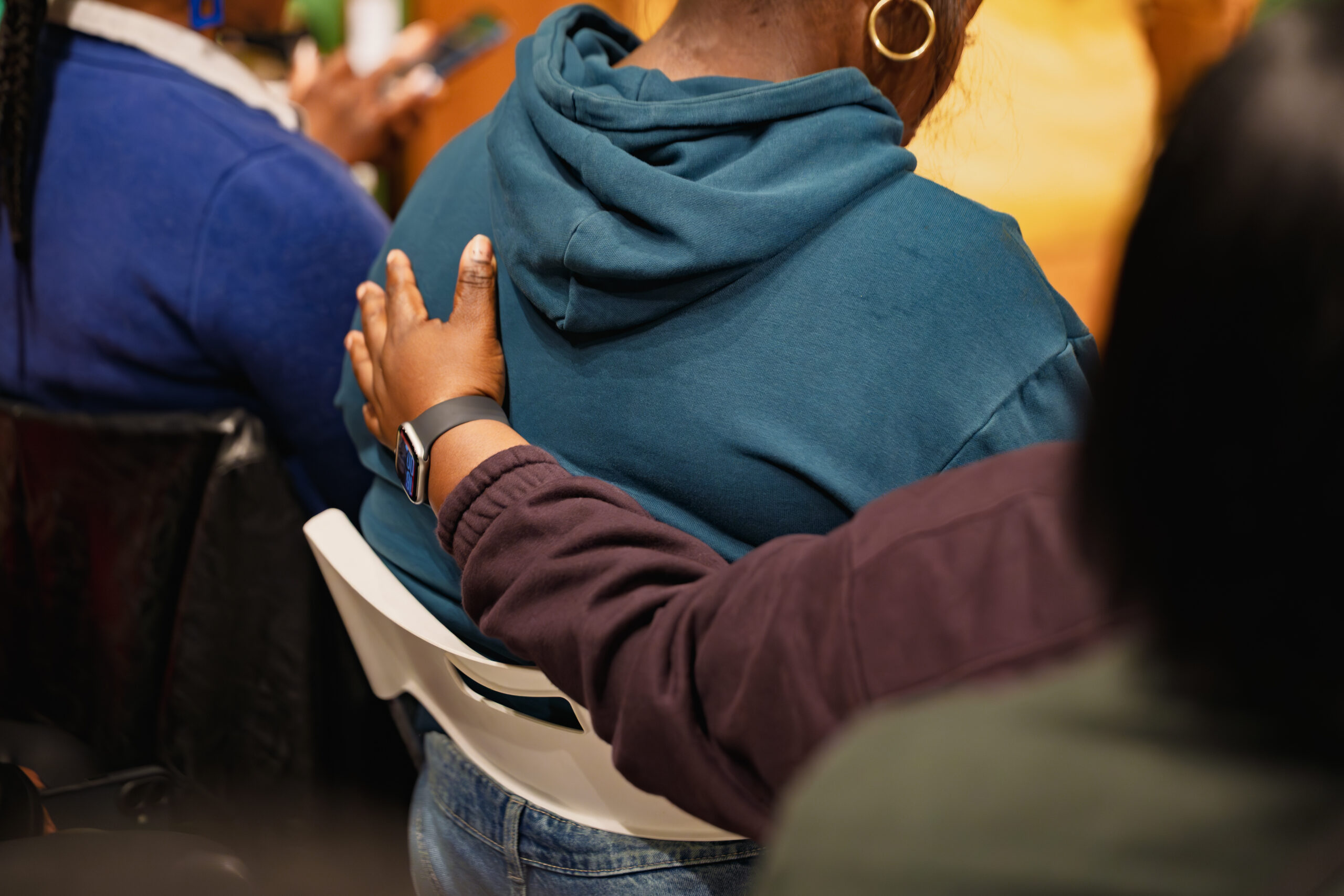 “For the future version of me who finds herself in a situation where she might have a symptom, I want her to know what it is. There was an opportunity to teach me as a teenager, and it wasn’t taken. But we can make that change for future generations.”
While progress has been made, Kreena believes equity is still a work in progress. She credits Macmillan’s initiatives as essential steps forward.
“There wouldn’t have been an ‘Open House’ 10 years ago. This wouldn’t be a concept. So, I’m grateful to Macmillan for everything they’ve done, revising their entire strategy to make sure marginalised groups are seen and heard. That’s really bold and very needed. We’re not favouring one community over another, we’re making sure everyone gets equitable, equal care.”
Another critical part of community-specific work is ensuring men are included in the conversation — particularly around prostate cancer, which disproportionately affects Black men but also remains under-discussed within South Asian households.
For NHS radiologist and Macmillan clinical advisor Naman Julka-Anderson, structural and systemic inequalities compound these personal barriers.
“There’s still the lack of representation of people like me at the top,” he says.
“Structural racism and bias perpetuate because with every patient entered into hospital systems, they automatically get an ethnicity of white because of the AI. That is the level of problems that we have.”
Naman is working on a project to start addressing some of these systemic inequalities, but believes real change requires sustained attention and community involvement.
Across the Open House event, one message resonated above all: to make cancer care fair, the system must listen, truly listen, to those who have been underrepresented for too long.
 As Dr Mon succinctly put it: “Be curious, understand your body, know that you know your body best. When there are changes, that’s when you need to seek medical advice. And from a healthcare professional point of view, effectively listening to what the patient wants from you — just listening to their concerns.”
Whether you’re living with cancer or supporting a loved one, call Macmillan’s free Support Line on 0808 808 00 00 or visit Macmillan.org.uk/OpenHouse to find out about the support available.


