


The deaths of an Indian-origin family in London have sparked renewed discussion about the hidden pressures faced by South Asian families caring for children with complex medical needs and disabilities.
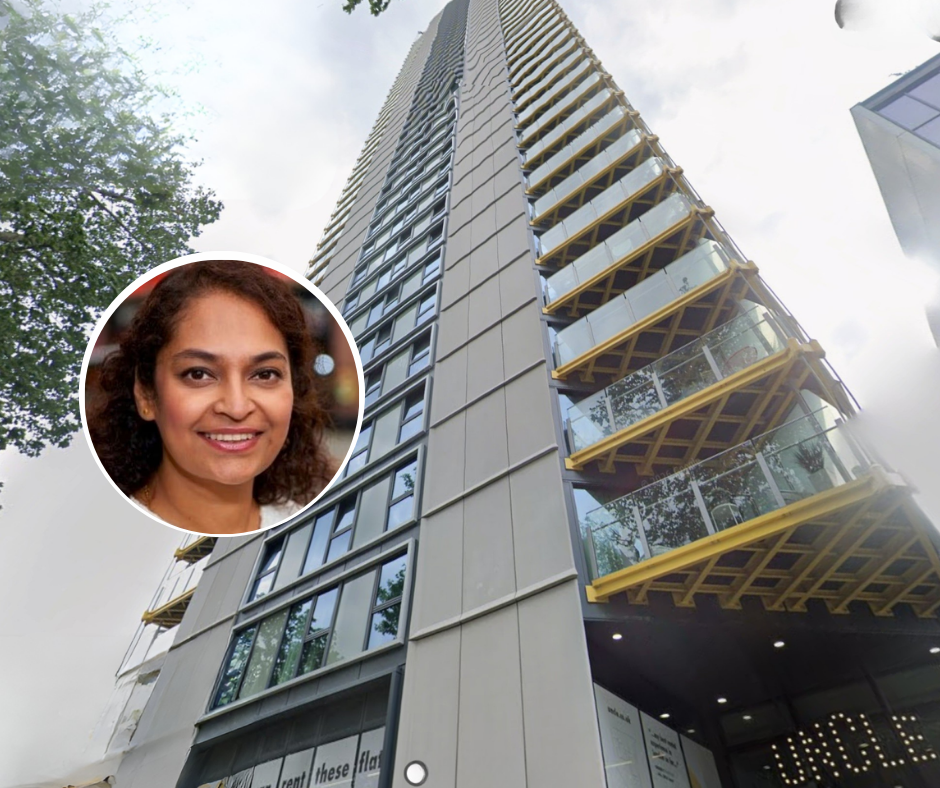
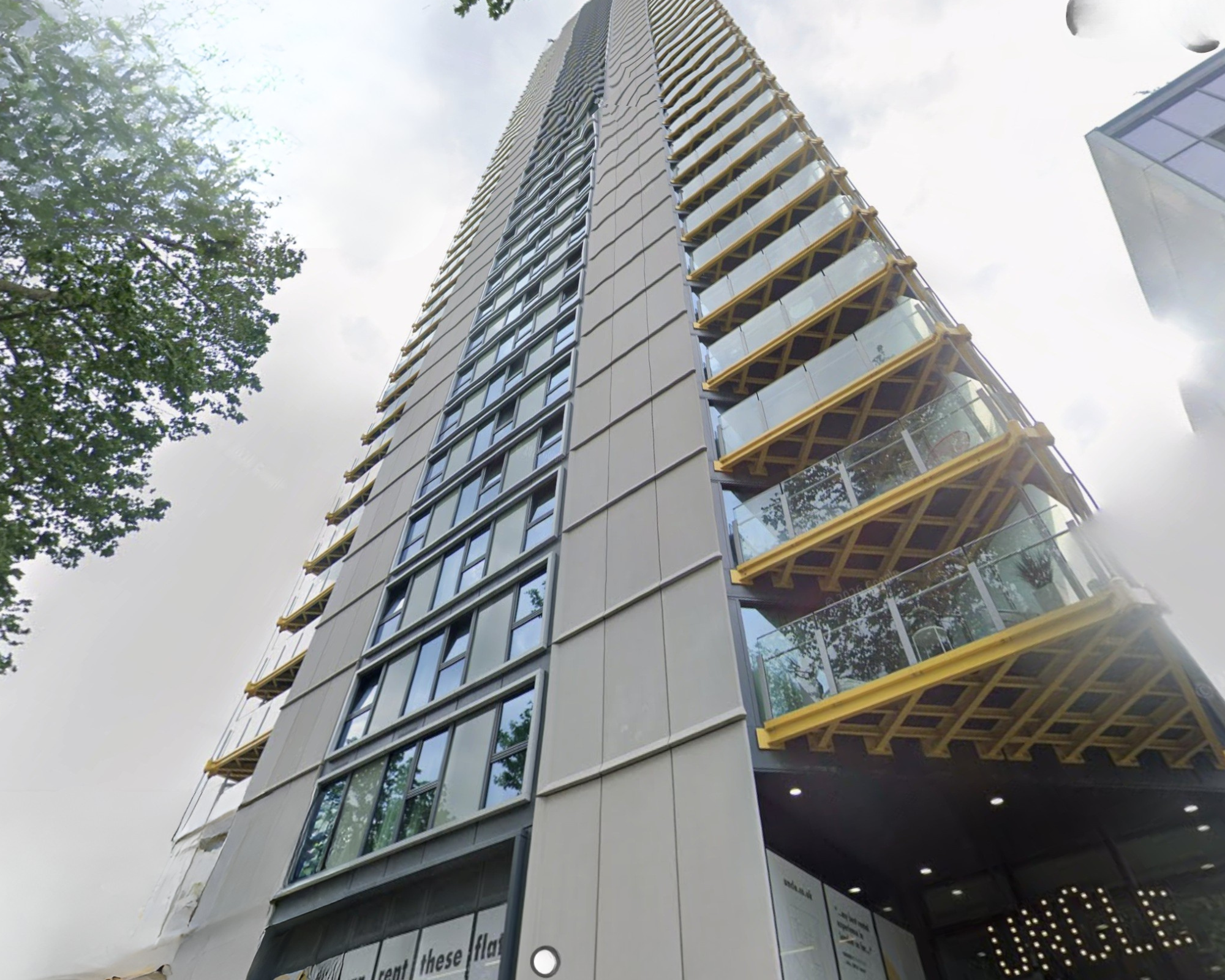
Rakesh Pai, 47, his wife Aditi Paralkar, 46, and their son Sid died after falling from their 36th-floor apartment at the luxury UNCLE residential tower in Elephant and Castle, south London, on the morning of 27 May.
Emergency services were called to Churchyard Row at around 7.29am following reports that three people had fallen from a height. Despite the efforts of police officers and paramedics, all three were pronounced dead at the scene.
While the circumstances surrounding the tragedy remain under investigation, friends of the family have described years of challenges linked to their son’s complex health conditions, raising broader questions about the support available to families caring for children with significant disabilities.
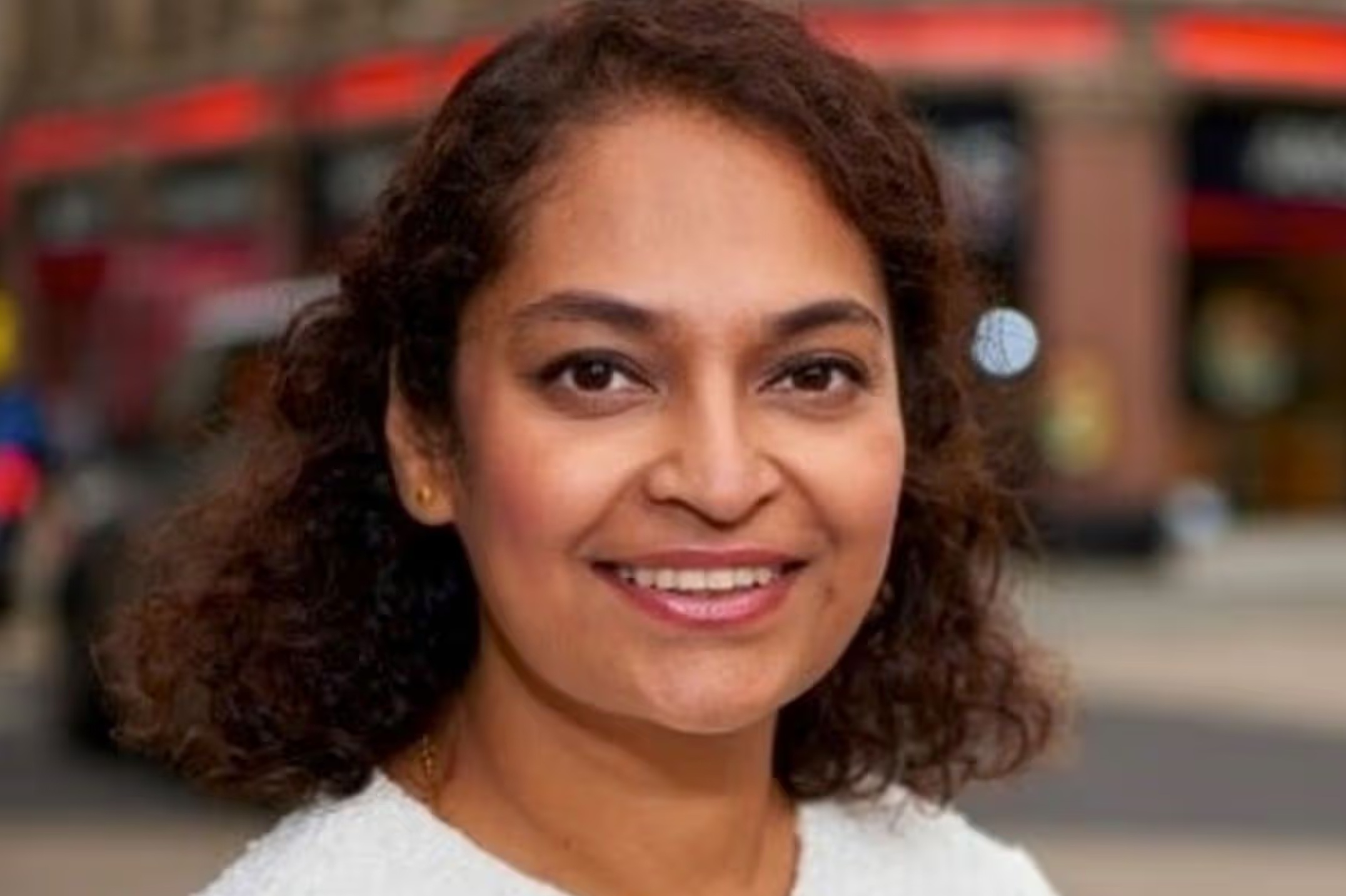
Mr Pai and Ms Paralkar were both highly paid consultants who had moved to the UK from India in the early 2000s. Friends say they built successful professional careers while dedicating much of their lives to caring for their only child.
It is understood that Sid, who was born in the UK, lived with a condition that left him partially disabled and with special educational needs. He was unable to speak and also suffered from kidney disease, requiring extensive care throughout his life.
Because of his complex needs, Sid was educated at home, with much of the responsibility reportedly falling to his mother.
According to friends, the family’s life increasingly revolved around securing specialist treatment and support for their son.
At one stage, the family relocated to India for around six years in the hope of accessing specialist medical care while also benefiting from the support of relatives and friends in Mumbai, where Ms Paralkar was originally from.
However, after doctors were unable to significantly improve Sid’s condition, the family eventually returned to the UK.
Friends have described the emotional toll that years of caregiving placed on the family, particularly on Ms Paralkar, who reportedly struggled with depression and other mental health difficulties linked to her son’s condition.
One friend told national media that while both parents carried the burden of caring for Sid, Ms Paralkar had found it particularly difficult to cope.
They said: “It was a huge stress for both of them, but Adi in particular struggled to cope with what was going on.
“She had no family in the UK and also did a very demanding job, so it was very difficult for her to manage everything.
“It took a huge toll on her mental health, and I think it may have just got too much for her.
“They were a wonderful family, and we are all very shocked by what’s happened.”
The tragedy has resonated with many within Britain’s South Asian communities, where families often shoulder significant caring responsibilities behind closed doors while balancing work, financial pressures and cultural expectations.
Mental health charities and carers’ organisations have long warned that parents caring for children with severe disab
ilities can experience high levels of stress, social isolation, depression and burnout, particularly when support networks are limited.
For many first-generation migrant families, the absence of nearby relatives can further intensify those pressures.
Reports have also suggested that the incident occurred shortly after Sid had been discharged from hospital and had refused specialist medical care, although these claims have not been formally confirmed by investigators.
The family had only recently moved into the Elephant and Castle development and had previously lived in Clapham, south London.
In the aftermath of the incident, one resident living near the top of the building told reporters she had heard shouting and screaming coming from the apartment on a regular basis in the weeks leading up to the tragedy
The resident, who asked not to be named, said the disturbances had continued for approximately two weeks before the incident occurred.
Local MP Neil Coyle, whose constituency includes the area, wrote to residents following the tragedy.
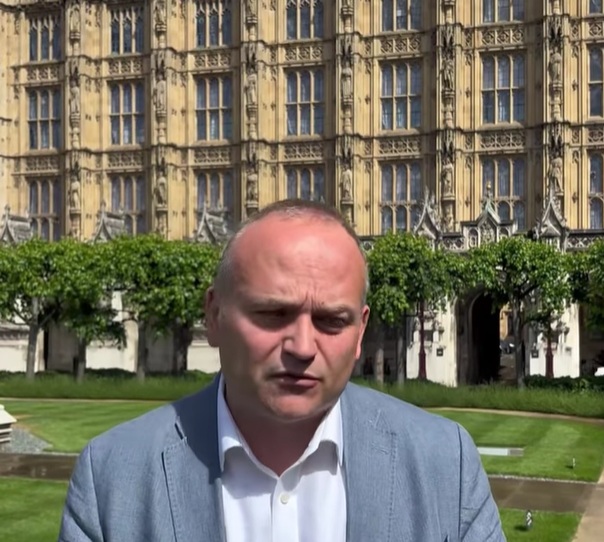
In his letter, he said: “Sadly, on Wednesday, May 27, in the early morning, police and the London Ambulance Service were called to Churchyard Row after an awful incident involving a family falling multiple stories from the UNCLE building.
“This terrible tragedy saw a child, woman and man discovered with major trauma and despite the best efforts of officers and paramedics who conducted CPR, all three individuals were pronounced dead on site.”
Expressing his sympathies to those affected, Mr Coyle added: “I am so sorry that this awful occurrence has happened by your home.
“The tragic circumstances are not fully known yet, but the police believe it was suicide and are not seeking anyone else at this point, although investigations are ongoing.
“I cannot imagine what situation would lead a family to this terrifying incident, but my thoughts are with their family and loved ones, as well as their friends and all who knew them locally.”
The Metropolitan Police confirmed detectives continue to investigate the circumstances surrounding the deaths.
A spokesperson said: “Detectives are investigating after three people died following a fall from height on Wednesday.
“At 7.29am officers, the London Ambulance Service, London’s Air Ambulance and the London Fire Brigade attended a high-rise block of flats on Churchyard Row, Elephant and Castle, following reports that people had fallen from height.
“At the scene, three people – a man, a woman and a child – were found to have sadly died, despite resuscitation attempts by first responders.
“Their deaths are currently being treated as unexpected. There were no other reported injuries.
“Work is underway to formally identify those who died.
“Their next-of-kin have been informed and are being supported by specialist officers.”
Police have said no arrests have been made and that investigations remain ongoing.
The deaths have been referred to Southwark Coroner’s Court, where an inquest will seek to establish the full circumstances surrounding the tragedy.
As friends, neighbours and members of the wider community continue to mourn the loss of the family, the case has also prompted reflection on the often unseen challenges faced by carers and parents supporting loved ones with complex medical needs.
For many, the tragedy serves as a stark reminder of the importance of accessible mental health support, respite services and community networks for families carrying immense responsibilities behind closed doors.
If you have been impacted by this story, here are some suggestions, where you can find support:
Where to Find Support
Samaritans
Available 24 hours a day for anyone struggling emotionally or experiencing distress. Call 116 123 free from any phone, day or night.
Mind
Provides information, advice and support on a wide range of mental health issues, including support for carers and families. Mind also signposts people to local services.
Carers UK
Offers expert advice, information and support for unpaid carers. Helpline: 0808 808 7777 (Monday-Friday, 9am-6pm).
Carers Trust
The UK’s largest network supporting unpaid carers, helping people access local support groups, respite services and wellbeing resources.
Contact (for families with disabled children)
Provides support, information and advice for families caring for children with disabilities or complex medical conditions. Helpline: 0808 808 3555.
NHS Mental Health Support
Anyone experiencing a mental health crisis can call 111 and select the mental health option to access urgent support and advice.


