

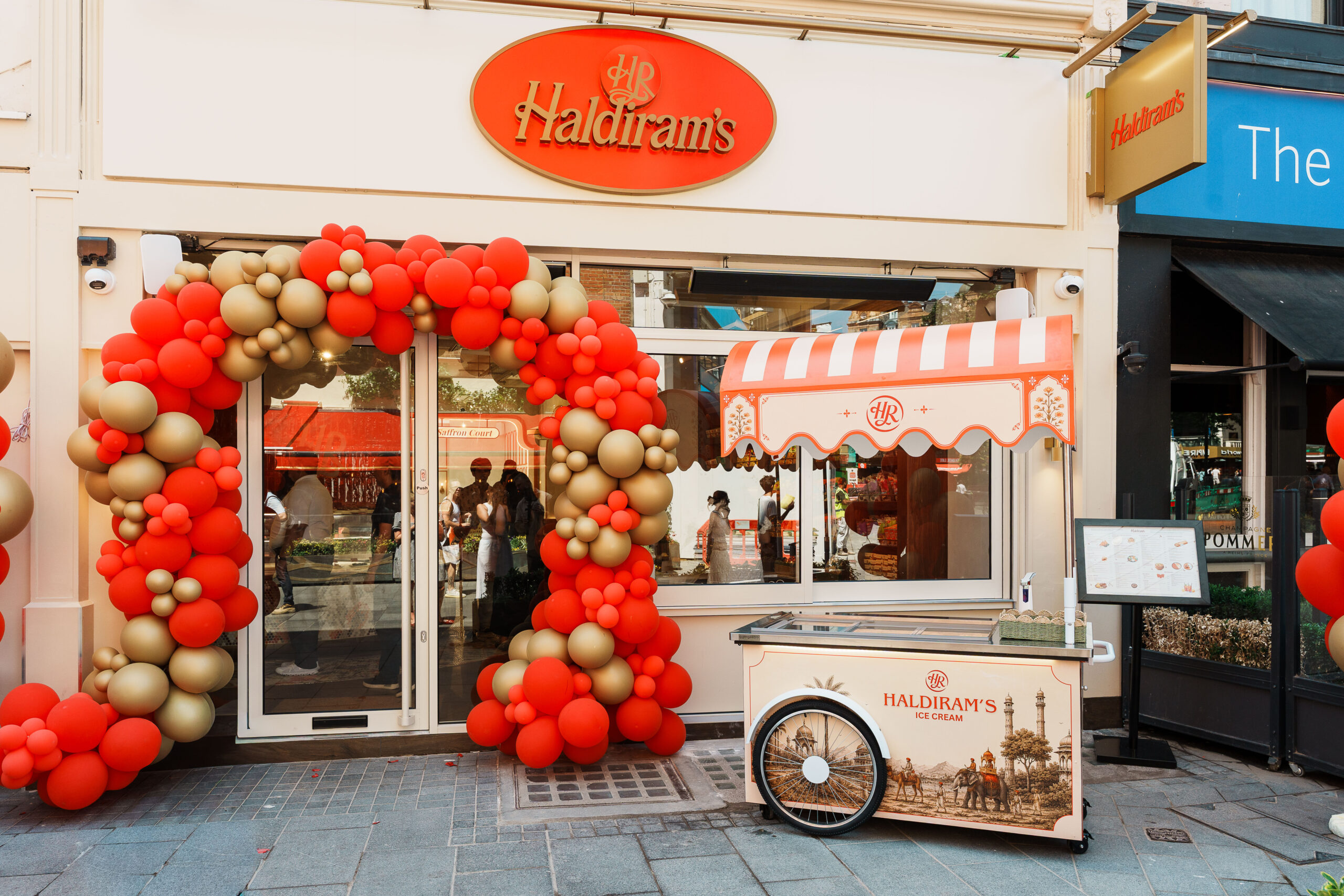
Suddenly every Indian food lover has their weekend plans sorted: queue up at Haldiram’s first ever outlet.
A wave of excitement has swept through London’s Indian community after a viral video showed long queues forming outside Haldiram’s newly opened Leicester Square restaurant.
In a clip shared by Instagram account @views.we.explore, dozens of people can be seen lining up outside the restaurant. The footage quickly resonated with Indians online, many joking that visiting Haldiram had become the unofficial weekend activity for Londoners.
Haldiram’s is finally in London
The arrival of one of India’s biggest food brands is more than just another restaurant opening.
For many people standing in line, it is not simply about the food. It is about finding something familiar thousands of miles away from home.
For nearly nine decades, Haldiram’s has occupied a unique place in Indian households. Its bright yellow packets of bhujia sit in kitchen cupboards across the country. Its sweets appear at weddings, Diwali celebrations, birthdays and family gatherings. Road trips often include a stop at a Haldiram’s restaurant, while travellers routinely pack suitcases with namkeen before flying abroad.
Although Haldiram’s products have long been available in Indian grocery stores across the UK, the company had bigger ambitions. As the Leicester Square queues made headlines, social media users summed up the moment perfectly: “Delhi called, Leicester answered.”
That emotional connection between food and identity may prove to be one of Haldiram’s biggest strengths as it looks to expand across Europe.
From a small shop in Bikaner
The story of Haldiram’s began in Bikaner, Rajasthan, in 1937.
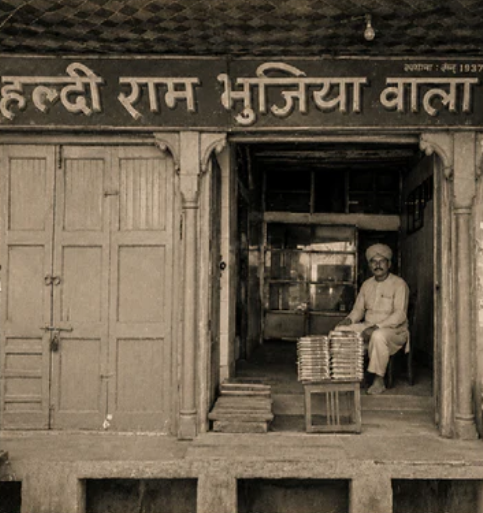
Founder Ganga Bhishen Agarwal, popularly known as Haldiram Ji, started selling bhujia from a small family-run shop. At a time when competition was fierce, he and his wife Champa Devi differentiated their product by using moth beans instead of traditional chickpea flour and creating a thinner, crispier snack.
What began as a local speciality quickly gained popularity.
The road was not always smooth. Family disputes forced Haldiram and his wife to leave the family business with little more than the clothes they were wearing. For a period, he sold snacks on the streets of Bikaner before saving enough money to open a new shop in 1946 under the name Haldiram Bhujiawala.
A chance family wedding in Kolkata would eventually change everything. Guests who tasted the bhujia encouraged him to bring it to the city, convincing him there was a much bigger market beyond Rajasthan. The move marked the beginning of Haldiram’s expansion across India.
Building a food empire
Over the following decades, Haldiram’s expanded into major cities including Kolkata, Nagpur and Delhi.
The company moved beyond bhujia into sweets, namkeen, packaged foods and eventually restaurants. Much of this growth was driven by Haldiram’s grandsons, particularly Manoharlal and Shiv Kishan Agarwal, who recognised the potential of taking the family business beyond its traditional markets.
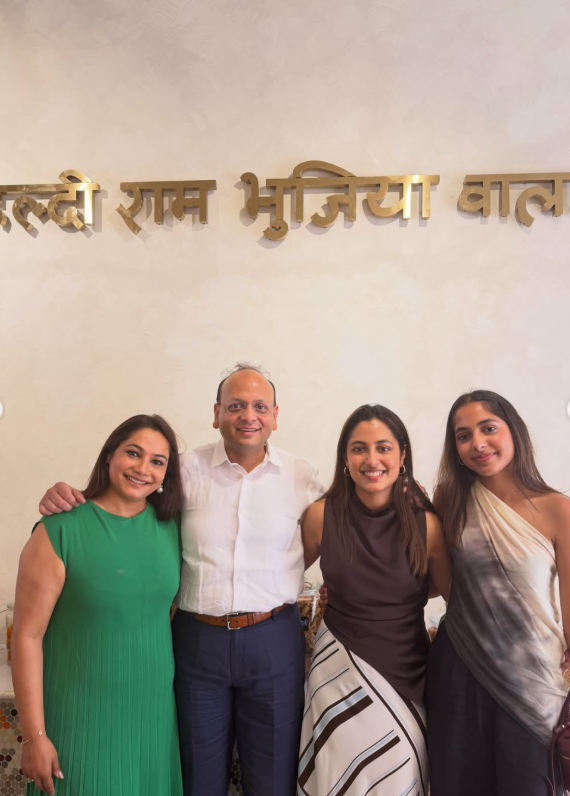
Shiv Kishan played a key role in expanding operations in Nagpur, while Manoharlal helped establish the brand’s presence in Delhi. Their efforts transformed Haldiram’s from a regional snack maker into a national food brand.
The journey was not without setbacks. During the anti-Sikh riots of 1984 that followed the assassination of Prime Minister Indira Gandhi, Haldiram’s Delhi shop was set on fire and destroyed. For many businesses, such a loss would have been devastating. Instead, the family rebuilt and continued expanding, turning a period of crisis into another chapter of growth.
By the 1990s,Haldiram’s had become one of India’s most recognisable food brands. The growth was accompanied by family divisions and trademark disputes, with different branches of the Agarwal family operating businesses in Delhi, Nagpur and Kolkata. Legal battles over the Haldiram name continued for years.
Yet despite the disputes, the brand continued to thrive. Today, Haldiram’s is a household name, selling products in dozens of countries and serving millions of customers every year.
The next chapter
The opening of its first UK restaurant in London’s Leicester Square marks another major milestone.
But success in Britain is far from guaranteed. Growth in India does not always translate overseas, and London’s restaurant market is among the most competitive in the world.
Rhea Agarwal, Commercial Director at Haldiram UK, believes the brand is well positioned for the challenge.
She said: “The UK’s love of Indian food is undeniable, and London is one of the best places in the world to enjoy it outside India. Our focus is on bringing authentic Indian flavours to the market while maintaining the highest standards of quality and hygiene. We have plans to expand across the UK and Europe in the future, but we’ll do so carefully and never at the expense of quality.”
For now, however, the early signs are promising.
Long queues outside the restaurant and enthusiastic reactions online suggest that Londoners, particularly those familiar with the brand from India, have welcomed Haldiram’s with open arms.
Whether that excitement turns into lasting success remains to be seen. But nearly 90 years after a small bhujia shop opened in Bikaner, Haldiram’s has once again found itself at the centre of attention.


