

Nearly 10,000 Indian Army servicemen from the First World War who were previously not formally commemorated have now been added to official casualty records in what is being described as a major historical correction more than a century after their deaths.
On Monday 6 July, the Commonwealth War Graves Commission will announce that 9,909 Indian Army personnel have been newly recognised following a five-year research project into historical military records. The move represents one of the largest additions to its casualty database in decades.
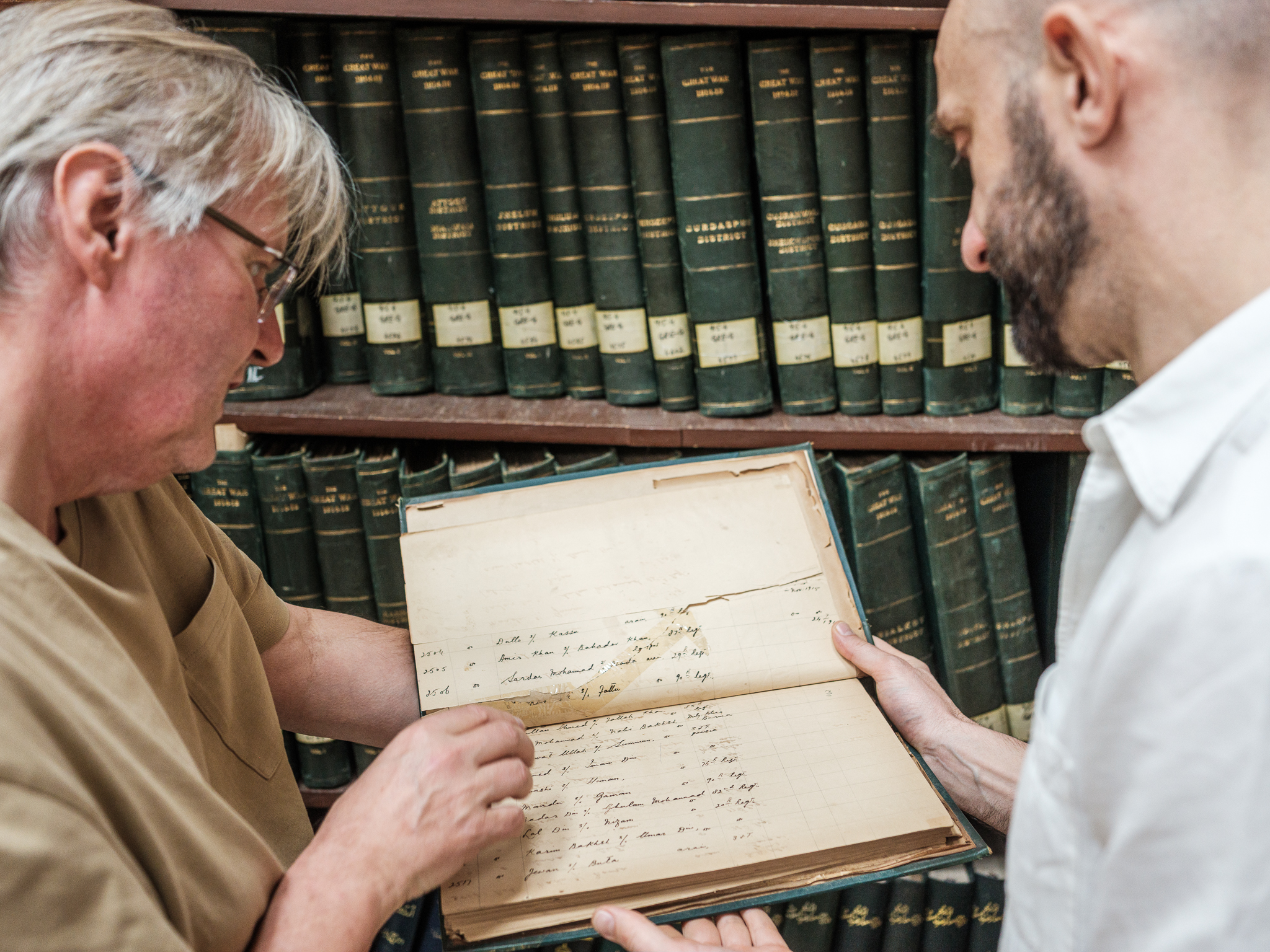
The names were identified through the Punjab Registers project, a joint initiative involving the CWGC, the University of Greenwich, and the UK Punjab Heritage Association, which digitised and analysed historical records held at the Lahore Museum.
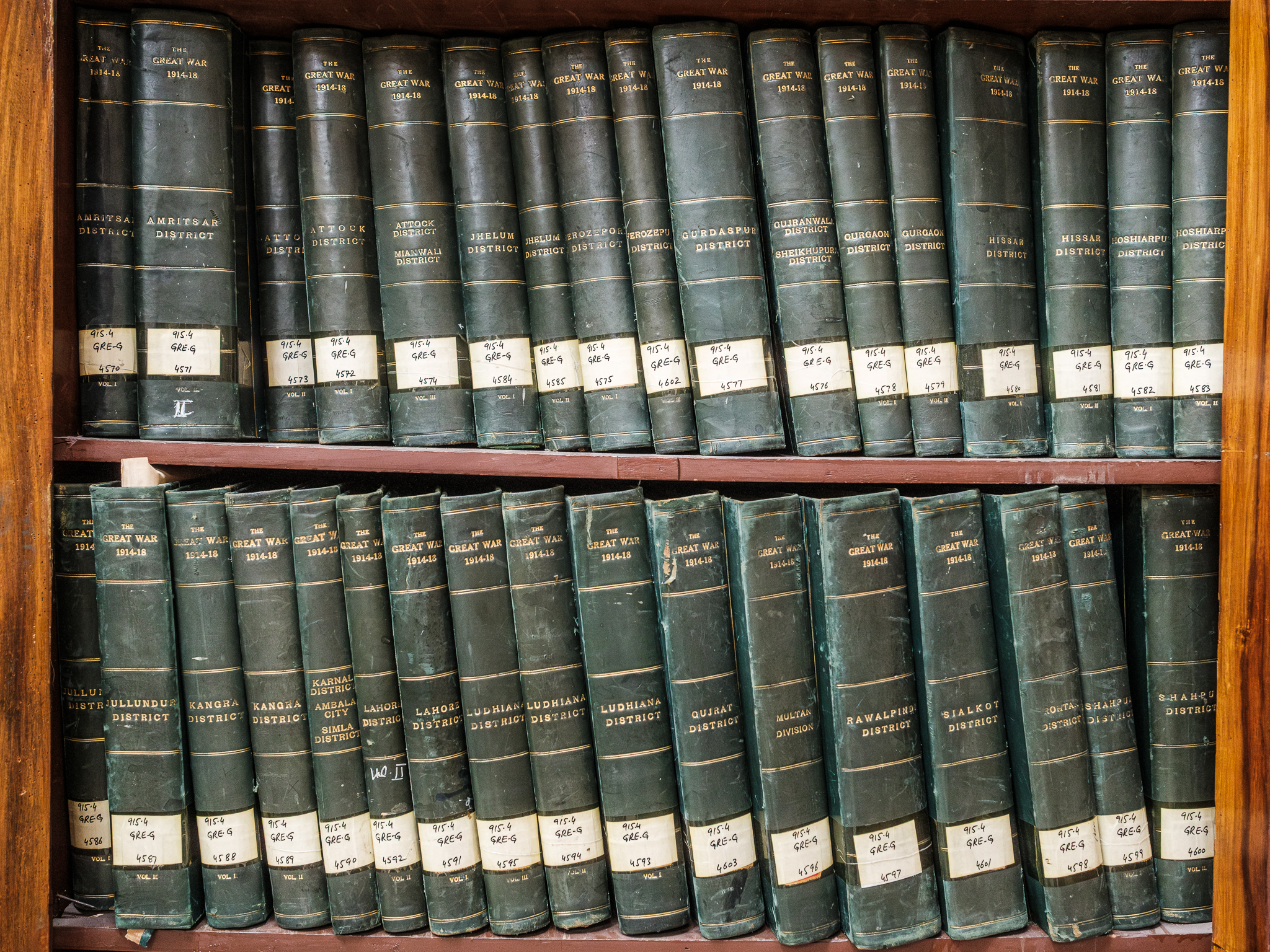
Researchers examined records containing details of around 320,000 Punjabi recruits who served in the British Indian Army during the First World War.
The project found that many of the newly recognised servicemen died in non-operational areas within India during the war or in circumstances that, under British Indian Government rules at the time, meant they were not officially recorded as war casualties. As a result, their names were never submitted to the CWGC and their service was not formally commemorated.
The new findings effectively reverse that historical omission.
For descendants in the UK, the announcement has provided long-sought answers about relatives who disappeared into wartime records more than 100 years ago. Dr Inder Singh Palahey, a dentist based in Leicester, has spent years trying to trace his great-grandfather, Kesar Singh, who he knew had served in the Indian Army and never returned. Through newly analysed records, he has now been able to establish details of his service, including his village, regiment and military history.
He said the discovery had transformed his understanding of his family’s past. “From just hearsay to now discovering the facts” he said, adding that knowing his great-grandfather will now be officially remembered in perpetuity: “means everything to us”.
Another descendant, Manjinder Nagra the first Sikh to represent England in Rugby has discovered that her maternal great-grandfather, Jagat Singh, had also not been properly commemorated. Through the Registers, she learned that Jagat Singh, of the 34th (Reserve) Mountain Battery, Indian Artillery, died in Mesopotamia on 3 January 1918, and was the only soldier from his village of Lallian in Jalandhar to lose his life in the First World War. She said the recognition was “incredibly moving and overwhelming. After all these years, he is finally being given the honour, dignity and remembrance he always deserved.”
According to historians involved in the project, many of the newly added names belong to soldiers whose deaths were not formally recorded as war casualties due to administrative decisions made during the colonial period.
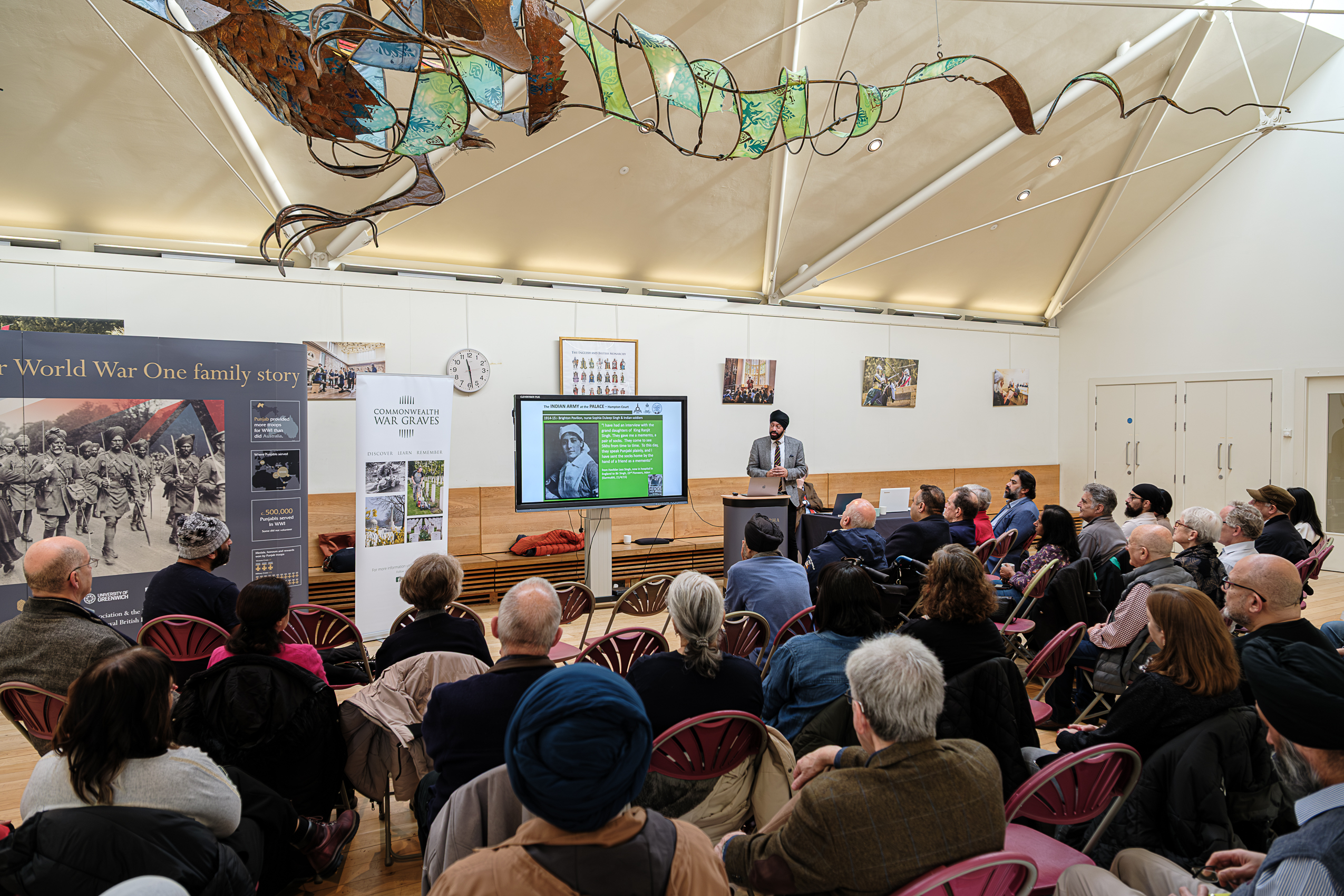
UK Punjab Heritage Association chair and historian Amandeep Madra said the omission left a significant gap in how the First World War is remembered. He said:
“Britain and Punjab share a long history, notably during the two world wars, and for over a hundred years, part of it was missing. These men were never commemorated, not because they didn’t serve, but because a decision made a century ago excluded their sacrifice from the record.”
He said the new recognition helps restore historical balance by formally acknowledging service that had been overlooked in official records.
The newly commemorated servicemen include individuals from a wide range of regiments and regions.
Among them is Sepoy Hazari, a Hindu soldier from Gannaur in Rohtak, who died in June 1919 during the influenza pandemic while in India.
Also included are brothers Chanun and Mohd Jawan from Narar in Rawalpindi, whose sibling Sepoy Punnu Khan had already been officially commemorated after dying during the Mesopotamia campaign in 1917.
The CWGC says the update reflects a broader reassessment of historical records relating to Indian Army personnel who served under British command during the First World War.
The Punjab Registers project involved the digitisation and analysis of archival material held at Lahore Museum, including handwritten registers documenting recruitment and service records.
Researchers worked to cross-reference fragmented historical data and identify individuals whose service had not previously been included in official CWGC databases.
The work took place over five years and involved collaboration between academic researchers, historians and archival specialists.
The result is the addition of 9,909 names to the CWGC’s official casualty records. The CWGC said the update represents the largest single addition to its casualty database since the Second World War.
Officials involved in the project say it highlights both the scale of Indian Army involvement in the First World War and the long-standing gaps in historical recognition. The organisation has said the work is part of ongoing efforts to ensure that all Commonwealth war dead are properly commemorated, regardless of where or how they died.
For families like those of Dr Palahey and Manjinder Nagra, the update represents more than archival correction, it is a restoration of personal and family history. It reconnects descendants with relatives whose stories had been partially lost or undocumented for generations. For historians, it also raises wider questions about how colonial-era record keeping shaped modern understanding of military service and sacrifice.
As the newly updated records are formally added, thousands of families are expected to gain long-delayed recognition of relatives who served in one of the most significant conflicts of the 20th century but whose names, until now, were absent from official remembrance.


