


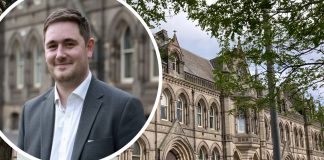
Middlesbrough Council will continue operating with a directly elected mayor going forward, the Government has confirmed.
In a written ministerial statement, released on Tuesday 24 June, local government minister Jim McMahon said the Government plans to accept the continuation of 13 “legacy” directly elected council mayors, of which Middlesbrough is one. However, in his statement, the minister made clear the Government’s preference for councils to operate under a different system.
The Government is planning to prevent the creation of new directly elected council mayors, as part of a more “consistent approach” in the future. The other dozen local council mayoralties are spread out over the country, with North Tyneside Council operating in the same way as Middlesbrough, as residents have the opportunity to elect a mayor for the borough as well as their local ward cllr(s).
The announcement from Mr McMahon came as the Government plans to bin the “committee system” used by some councils. Most councils operate under the leader and cabinet model, which sees residents vote for their local cllr(s) and then once all the cllrs have been elected, they select a leader amongst themselves.
Typically, the council leader will be the leader of the largest political party on the council. It is then the responsibility of the leader of the council to appoint a cabinet. In Middlesbrough, the elected mayor (currently Labour’s Chris Cooke) has the power to appoint an executive of his choosing, who serves the same purpose as a cabinet.
In his statement, Mr McMahon said: “The Government recognises there are several directly elected local council mayors currently in place, and we propose to accept the continuation of these 13 legacy directly elected council mayors, while introducing measures to ensure a more consistent approach by not facilitating the creation of new ones.
“This would also include any councils undergoing local government reorganisation now or the future, where any new unitary would be required to operate on the leader and cabinet model of governance, regardless of whether any constituent part currently has a legacy directly elected council mayor.”
He added: “There are pre-existing routes for those councils with legacy directly elected local mayors to adopt the leader and cabinet model, depending on the individual circumstances in each area, where they wish to do so.”
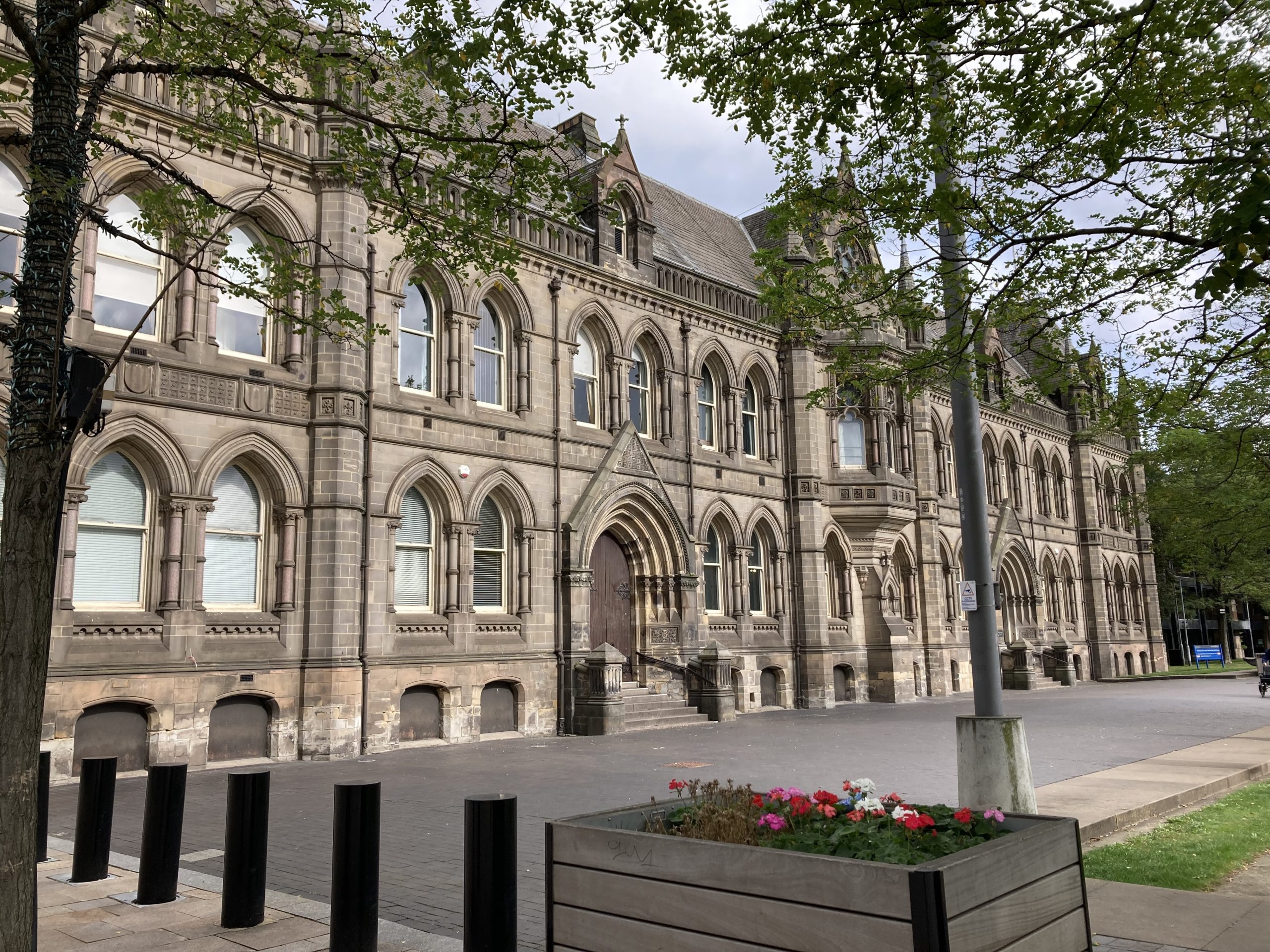
The Government argues that by transitioning to leader and cabinet models, “confusion” can be avoided with the growing establishment of regional mayors. There is an example of a two mayor situation arising in Middlesbrough, where on top of the town’s mayor, the local council is part of the Tees Valley Combined Authority, which has its own regional elected mayor, Conservative Ben Houchen.
Middlesbrough Mayor Cooke has previously voiced his support for the directly elected council mayor system currently in place. Some candidates running for North Tyneside Mayor earlier this year said that they would support the abolition of the role if elected.
The Ministry for Housing, Communities and Local Government were contacted for comment, as were Middlesbrough Council and Mayor Cooke, all of whom either declined to comment or did not respond.


