

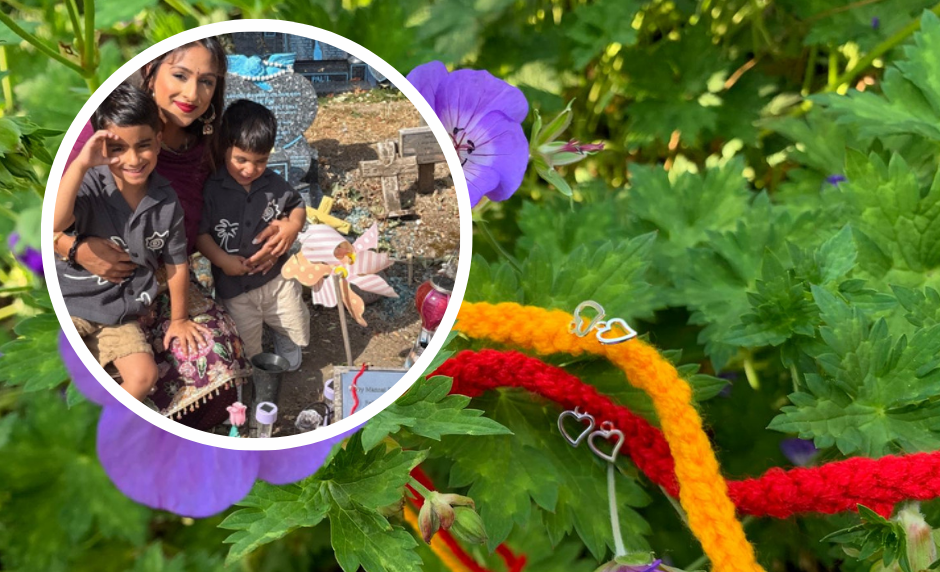
For Dimple and her family, Raksha Bandhan is not simply a celebration. It is also a day to make sure their daughter Mannat remains part of a bond between siblings that death could not take away.
Mannat was stillborn in February 2023.
She should have been growing up alongside her brothers, Tegh and Ekam. There should have been childhood memories, family celebrations and, each Raksha Bandhan, the familiar ritual of a Rakhi marking the relationship between siblings.
Instead, the family has created its own tradition.
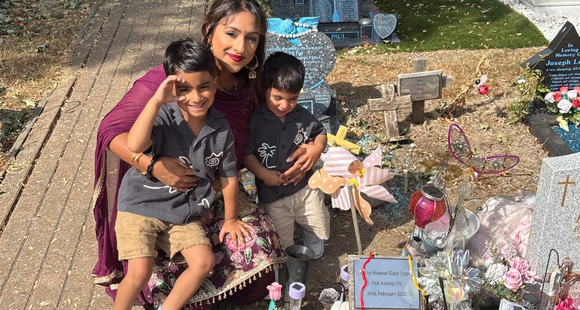
On Raksha Bandhan, Mannat’s brothers honour their sister by taking a Rakhi to her grave and tying it there.
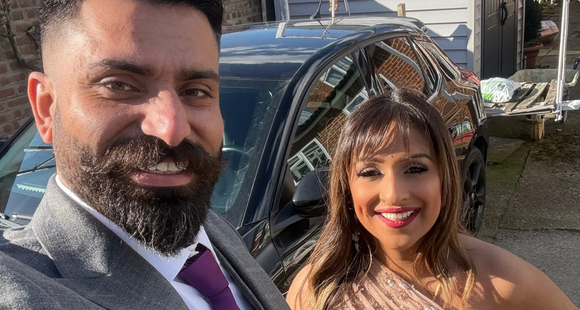
For Dimple and her husband Gagan, it is one of the ways they ensure Mannat continues to have a place within their family.
“When her heart fell silent, her name became the truest reflection of who she would always be to us, our forever wish,” Dimple said.
“As a family, we visit her resting place on birthdays and special occasions, and we have a special place in our home for her photographs and keepsakes.”
For the couple, keeping Mannat’s relationship with her brothers alive requires conscious effort.
Dimple added: “As my husband often says, our sons’ continuing connection to Mannat won’t happen on its own.
“As parents, it’s our responsibility to keep talking about her, visiting her and helping our boys to know about their sister.
“To honour Raksha Bandhan in particular, we like to tie a Rakhi at Mannat’s grave as a loving tribute from her brothers.”
This year, the family’s experience is among those being highlighted as part of a campaign recognising how cultural and religious celebrations can carry an additional layer of grief for families who have experienced pregnancy or baby loss.
Raksha Bandhan, which falls on August 28, celebrates the bond between siblings. Traditionally, a sister ties a Rakhi around her brother’s wrist as a symbol of love, protection and lifelong connection.
But what happens when the sibling who should be part of that tradition is no longer there?
Pregnancy and baby loss charity Sands is seeking to acknowledge that often-unspoken experience through its Forever Tied in Love initiative.
At the centre of the campaign are Rakhis handmade by women from volunteer group Knit Your Socks Off.
Each has two entwined hearts – one representing the sibling who is here and the other the sibling who died.
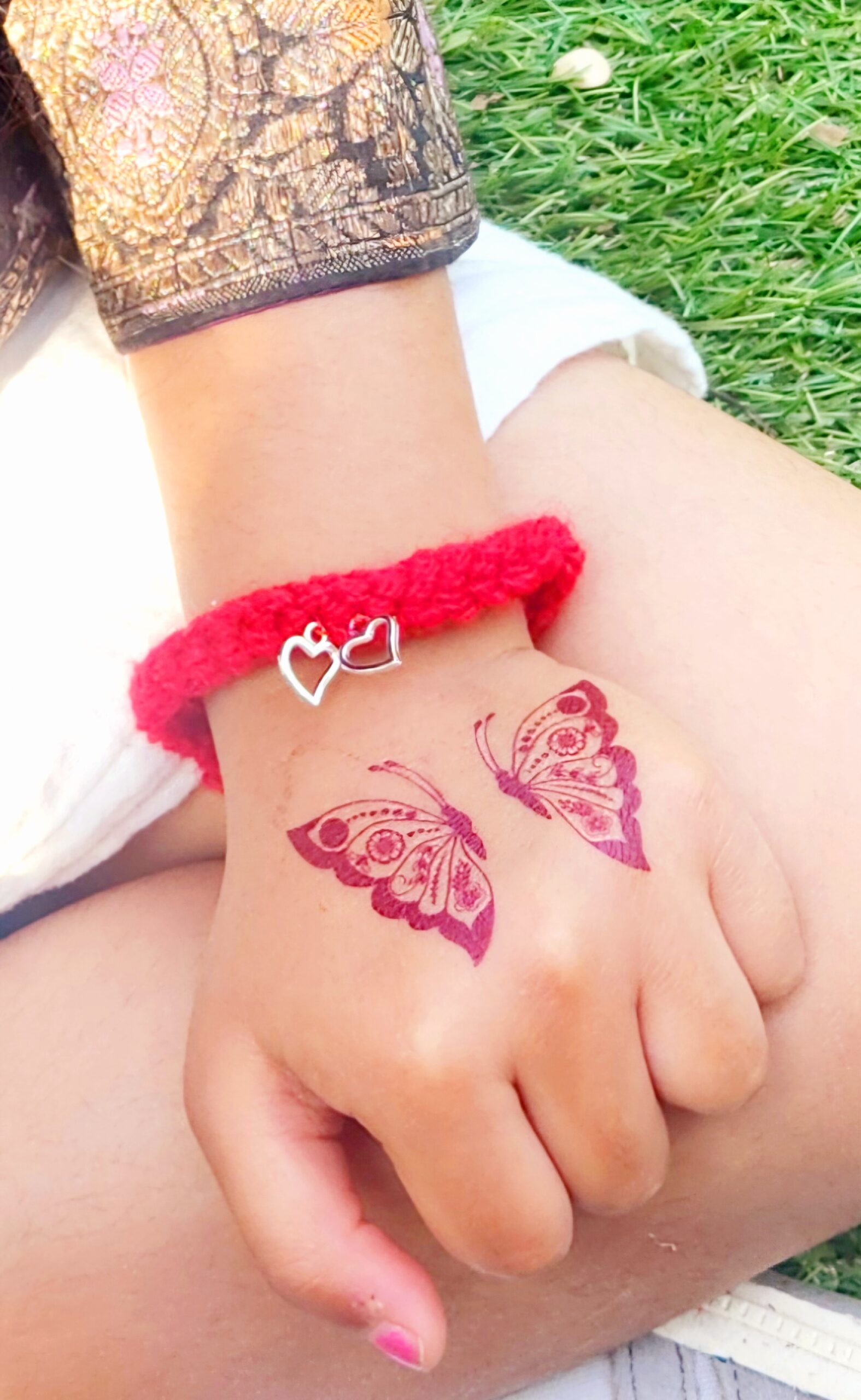
But the Rakhis are more than symbolic pieces of crochet. Some of the women making them have themselves experienced baby loss.
Founded in 2015 by Sbba Siddique, Knit Your Socks Off brings women together through knitting and crochet, using the craft to connect with one another and support charitable causes.
The group has previously made clothing for premature babies, Remembrance Day poppies and blankets for Sands’ Memory and Care Boxes.
This is the second year its volunteers have made Rakhis for Forever Tied in Love.
Sbba said the personal experiences behind the work meant every stitch carried significance.
“United by our shared passion for knitting and crochet, and by our personal experiences of baby loss, this project is deeply meaningful to us,” she said.
“Every stitch represents a cherished memory, a precious child, and a bond that can never be broken.”
For another bereaved mother, Selina, Raksha Bandhan brings thoughts of the relationship her son Aveer should have shared with his sisters, Akira and Nikki.
“Every Raksha Bandhan, I miss Aveer even more,” she said.
“He should have been here so his sisters could tie a Rakhi around his wrist and celebrate the special bond they were meant to share.
“It makes me think about what could have been and all the moments they should have shared. I often find myself imagining the bond they would have had and the memories they would have created together.”
Madhuri Bedi, Sands Outreach Coordinator for South Asian Communities, said festivals can intensify grief because they bring families and traditions together while simultaneously highlighting who is missing.
“For siblings who can’t celebrate in the traditional way, and for parents missing the bond between their children, this time of year can intensify feelings of grief,” she said.
The handmade Rakhis, she added, provide a gentle way of recognising “the hopes, dreams and relationships that never had the opportunity to grow”.
For Dimple, speaking publicly about Mannat is also about challenging the silence that can surround baby loss.
“Baby loss should never be a hidden taboo,” she said. “Keeping Mannat’s memory alive is part of our everyday life.”
Her husband even named his driving school after their daughter so that Mannat’s name would continue to be seen and spoken.
And as another Raksha Bandhan approaches, there will once again be a Rakhi for the little girl who cannot wear it on her wrist.
“Mannat may not be here in our arms,” Dimple said, “but every decision we make, every tradition we create and every memory we share is forever tied to her.”
For families such as Dimple’s and Selina’s, that is perhaps what Raksha Bandhan ultimately represents: a sibling bond does not cease to exist simply because one of those siblings is no longer physically there.
Sometimes it is carried in memories. Sometimes in conversations.
And sometimes, it is held together by a small handmade thread.
Glossary: Raksha Bhandan – a popular Hindu festival that celebrates the loving bond between brothers and sisters.


