

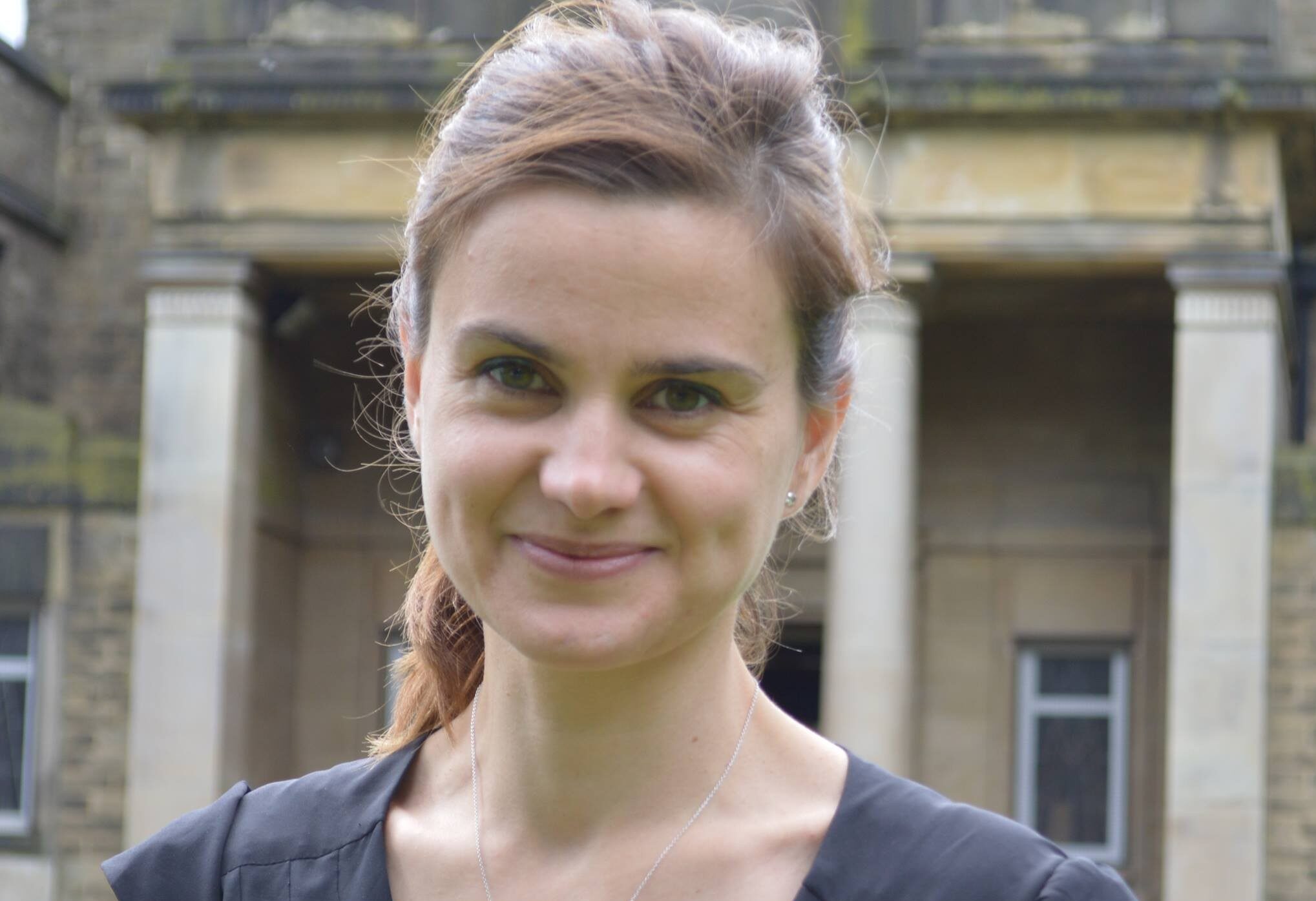
Ten years ago, as Jo Cox lay fatally wounded in a Birstall street after being shot and stabbed by a far-right extremist, her reported final words were heartbreakingly simple: “I’m hurt.”
A decade on, those words feel less like the final plea of a murdered MP and more like a reflection of a country still grappling with the divisions she spent her life trying to heal.
Jo Cox’s most famous message, “We are far more united and have far more in common than that which divides us”, emerged from a belief that communities could overcome differences of race, faith, politics and background. It was a message rooted not in political ideology, but in human connection.
Yet ten years after her death, many are questioning whether Britain has moved closer to that vision or further away from it.
Recent scenes of unrest, rising political polarisation and increasingly hostile public discourse would as her close allies describe, ‘undoubtedly have troubled Jo deeply’. The divisions that fuelled hatred a decade ago have not disappeared; in many ways they have become louder, amplified by social media, culture wars and growing mistrust in public institutions.
Perhaps nobody understands that reality more than Jo’s sister, Kim Leadbeater MP, who now represents the constituency Jo once served. Reflecting on the decade since her sister’s murder, Kim told the BBC: “Ten years on – things are worse.”
It is a sobering assessment. After Jo’s death, politicians from across the political spectrum came together in grief and solidarity, promising to conduct politics differently. For a moment, it appeared that her murder might become a turning point in the national conversation.
Instead, many believe the opposite has happened.
Yet while the divisions remain, so too does Jo’s legacy.
Across Batley, Spen and communities throughout Britain, people continue to carry forward the values she championed. Among those paying tribute this week is former English rugby league international and England’s first South Asian rugby league player, Ikram Butt.
Having worked alongside Jo through the Parliamentary Rugby League Group and the Pakistan All-Party Parliamentary Group, Butt remembers a woman who genuinely believed in bringing people together.
Following her death, the British Asian Rugby Association adopted Jo’s “More In Common” message on representative jerseys, ensuring her words continued to inspire future generations through sport.
What began on rugby pitches in Yorkshire would travel far beyond Britain’s borders. Through Pakistan Rugby League, the message was taken overseas and displayed at a women’s rugby league tournament in Islamabad, helping bring together women and girls through sport. A Pakistan Rugby League jersey carrying Jo’s words was later presented to Pakistan’s Sports Minister, while the message has continued to feature at community rugby events in Yorkshire and international competitions as far away as Italy.
For Butt, that journey demonstrates the enduring power of a message that transcends politics.
“From community rugby pitches in Yorkshire to international rugby events in Pakistan and Italy, More In Common has continued to bring people together and challenge the divisions that too often dominate our headlines,” he said.
His tribute has resonated strongly with many within Batley’s South Asian community, where Jo was admired not simply as a politician but as someone who understood the value of community cohesion and meaningful representation.
Prime Minister Sir Keir Starmer echoed that sentiment, describing Jo as “a dedicated mother, a fierce campaigner and a deeply committed Member of Parliament”.
“Her conviction that we have more in common than that which divides us lives on beyond her death,” he said.
“We will continue to honour her legacy by standing by her message of hope and unity in the face of hatred and division.”
The same themes were reflected closer to home by Kirklees Mayor Councillor Karen Allison, who said Jo’s belief in kindness, understanding and bringing people together remains as important today as it was during her lifetime.
She pointed to initiatives such as The Great Get Together as evidence that Jo’s values continue to inspire communities to connect with one another despite their differences.
Perhaps that is ultimately Jo Cox’s enduring legacy.
Ten years after her death, Britain may still be wrestling with division. The politics she hoped would become kinder often appears harsher. The public discourse she sought to unite can frequently seem fractured.
But every community project, every conversation across cultural divides, every act of understanding between neighbours and every effort to challenge hatred represents another chapter in the story she left behind.
The question facing Britain a decade later is not whether Jo’s message still matters.
It is whether we are prepared to listen.
Because if “I’m hurt” captures the pain of where division can lead, then “More In Common” remains the prescription for how we heal.


