

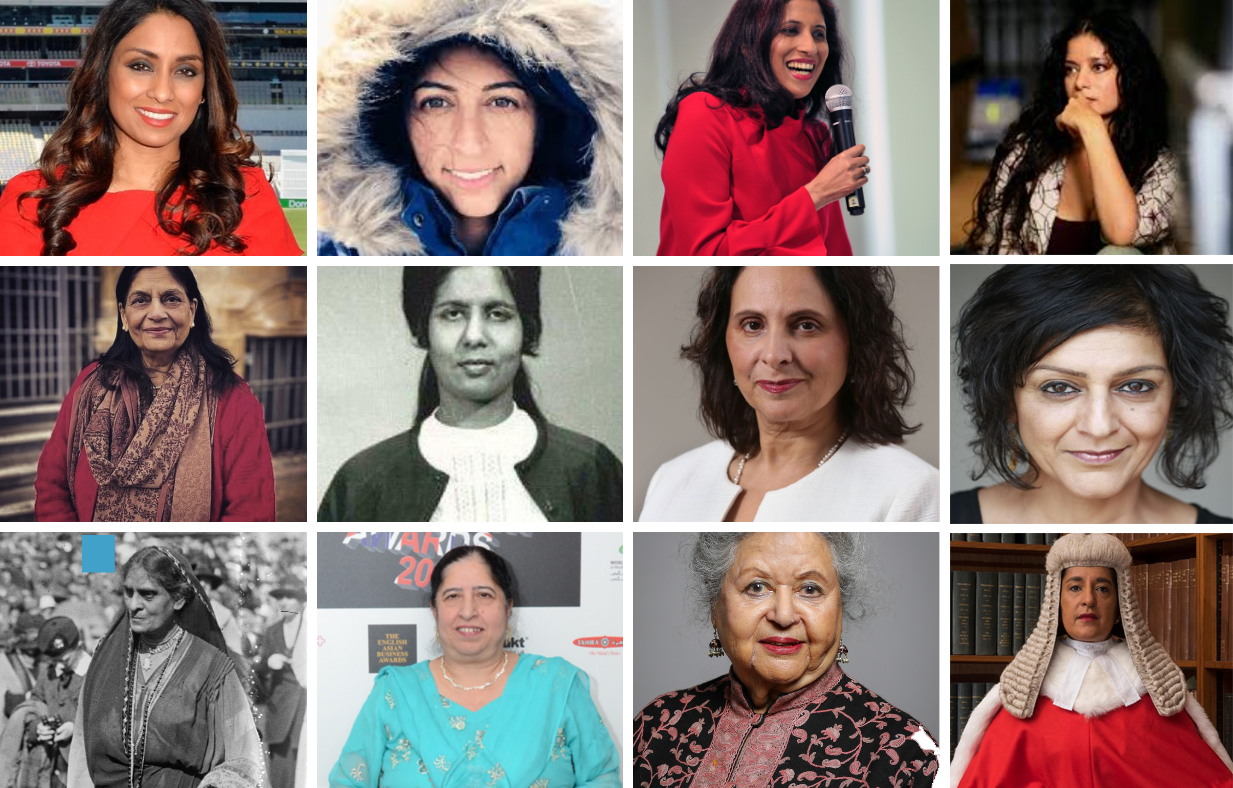
As the world marks the 115th anniversary of International Women’s Day on 8 March, attention turns to the women who reshaped society by daring to step into spaces where few had gone before.
First observed in 1911, International Women’s Day has grown into a global moment to celebrate progress while recognising the work that still lies ahead. This year’s theme, “Give to Gain,” highlights a powerful idea: when women are given support, opportunity and resources, communities become stronger for everyone.
For British Asian women, those gains were not easily won. Across politics, policing, the law, sport, culture and exploration, a generation of pioneers stepped into professions where representation was rare and barriers were firmly in place. Their achievements did not simply change their own lives – they altered the landscape for those who followed.
Here are some of the trailblazers who helped reshape Britain.
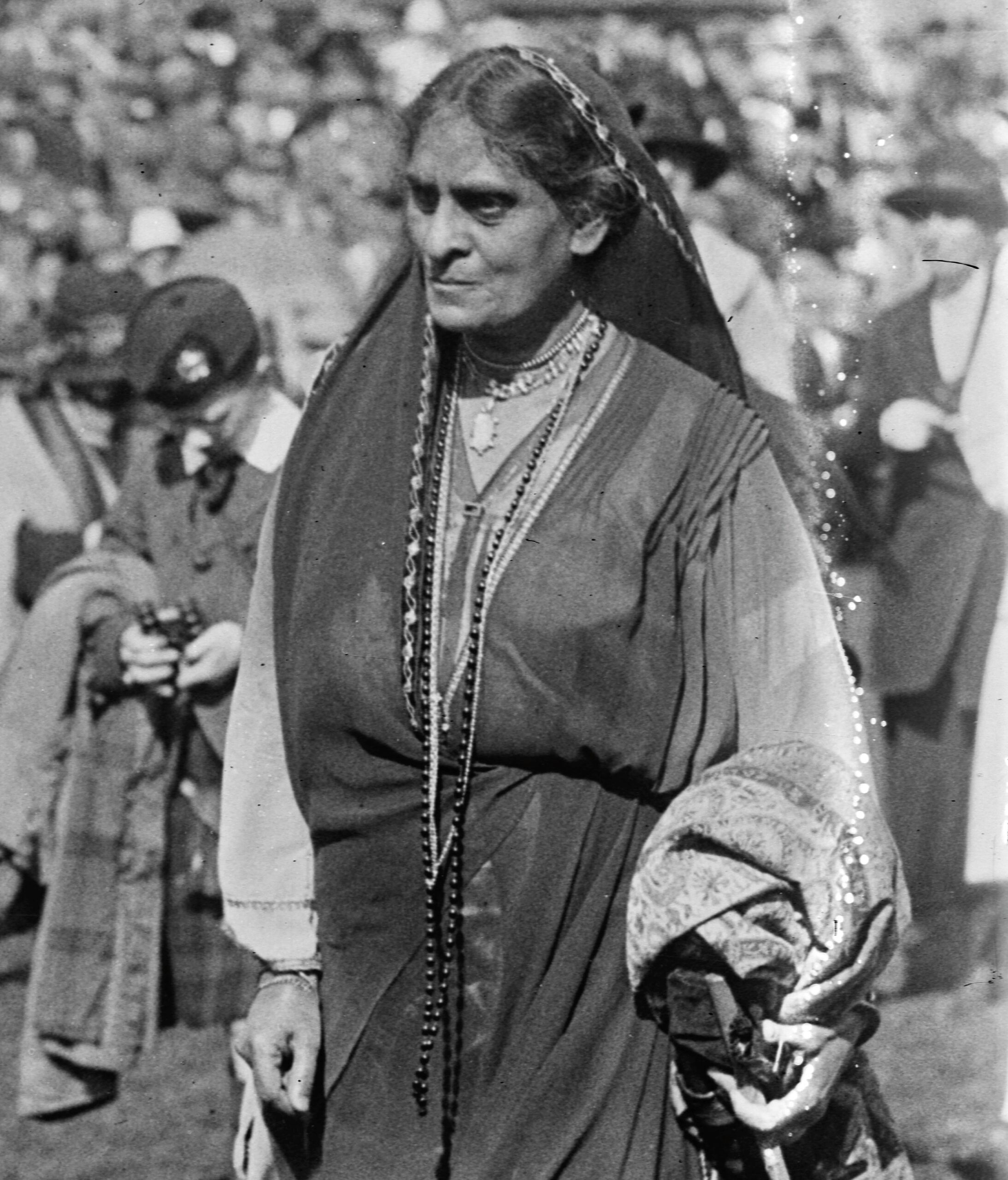
Cornelia Sorabji – Opening the doors of academia and law
Long before conversations around representation were commonplace, Cornelia Sorabji was already rewriting history.
In 1889, she became the first woman from India to study at Oxford University, arriving to read law at Somerville College. At the time, women were not formally awarded degrees, yet Sorabji persevered and later became the first woman to practise law in both India and Britain.
Her legal work focused on representing women in purdah who were unable to appear in court, making her not only a pioneer in education but also a champion for women’s rights.
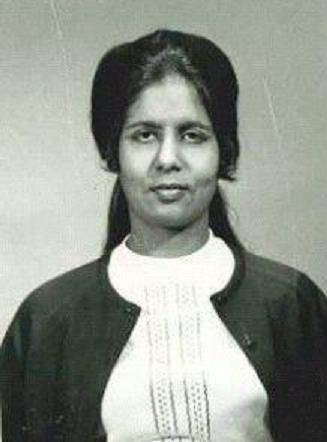
Karpal Kaur Sandhu – Breaking barriers in policing
In 1971, Karpal Kaur Sandhu joined the Metropolitan Police, becoming Britain’s first Asian female police officer.
At a time when policing remained overwhelmingly male and overwhelmingly white, Sandhu’s presence in uniform challenged deep-rooted stereotypes. Her determination helped pave the way for future generations of women from diverse backgrounds to pursue careers in law enforcement.
Baroness Shreela Flather – A political trailblazer
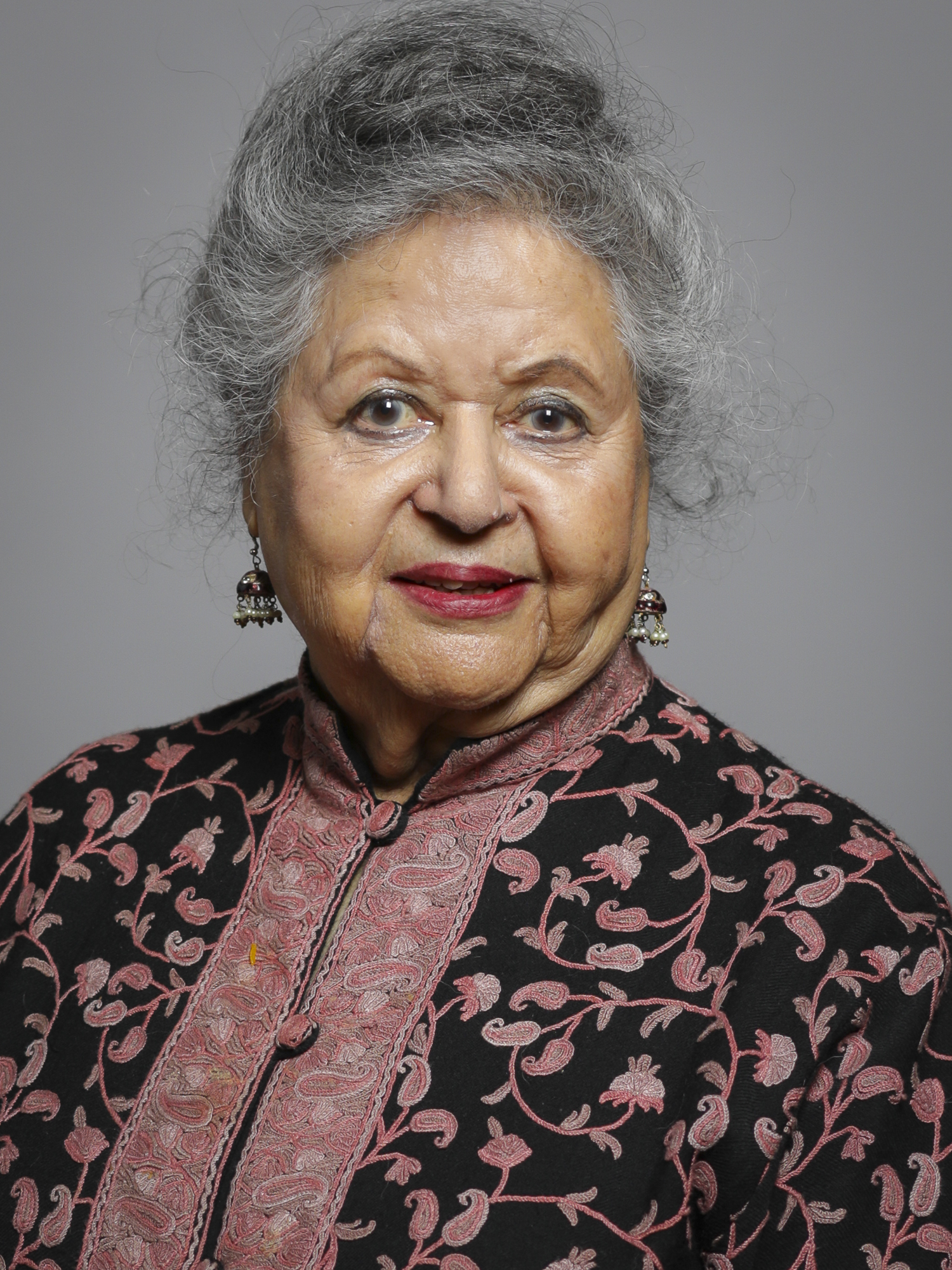
Few women broke as many civic barriers as Baroness Shreela Flather.
In 1986 she became the first Asian woman mayor in the UK, serving the Royal Borough of Windsor and Maidenhead. Her political
career later took her to the House of Lords, where she became one of the first Asian women appointed as a life peer.
Flather’s decades of public service helped redefine what leadership in Britain could look like.
The first British Asian women MPs
A watershed moment in British politics came during the 2010 General Election, when three women made history together.
Rushanara Ali, Shabana Mahmood and Yasmin Qureshi became the first Muslim women elected to the House of Commons, marking a major breakthrough in representation at Westminster.
Their election reflected the growing diversity of modern Britain and opened the door for more women from minority communities to enter national politics.
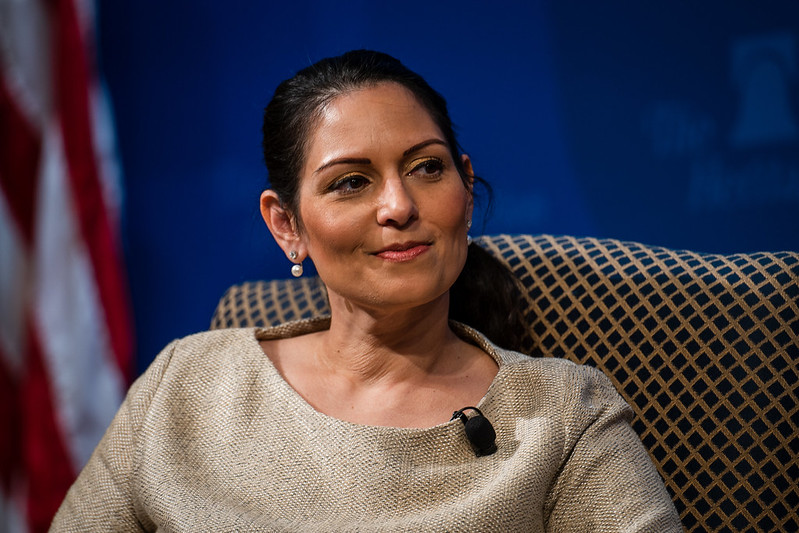
Priti Patel – A major political milestone
While not the first British Asian woman elected to Parliament, Priti Patel became one of the most prominent women of Asian heritage to hold senior office.
Serving as Home Secretary between 2019 and 2022, Patel became the first Hindu woman of Indian heritage to hold one of Britain’s most powerful political roles, overseeing policing, security and immigration policy.
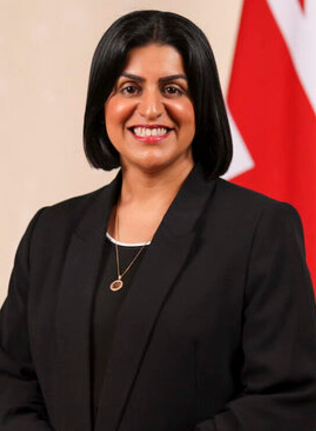
Image: shabanamahmood.org
Shabana Mahmood – Leading Britain’s justice system
Shabana Mahmood has continued that political legacy, making history as Britain’s first Muslim woman to serve as Lord Chancellor and Secretary of State for Justice.
Her appointment placed a British Asian woman at the centre of the country’s legal system and signalled how far representation in government has evolved over the past generation.
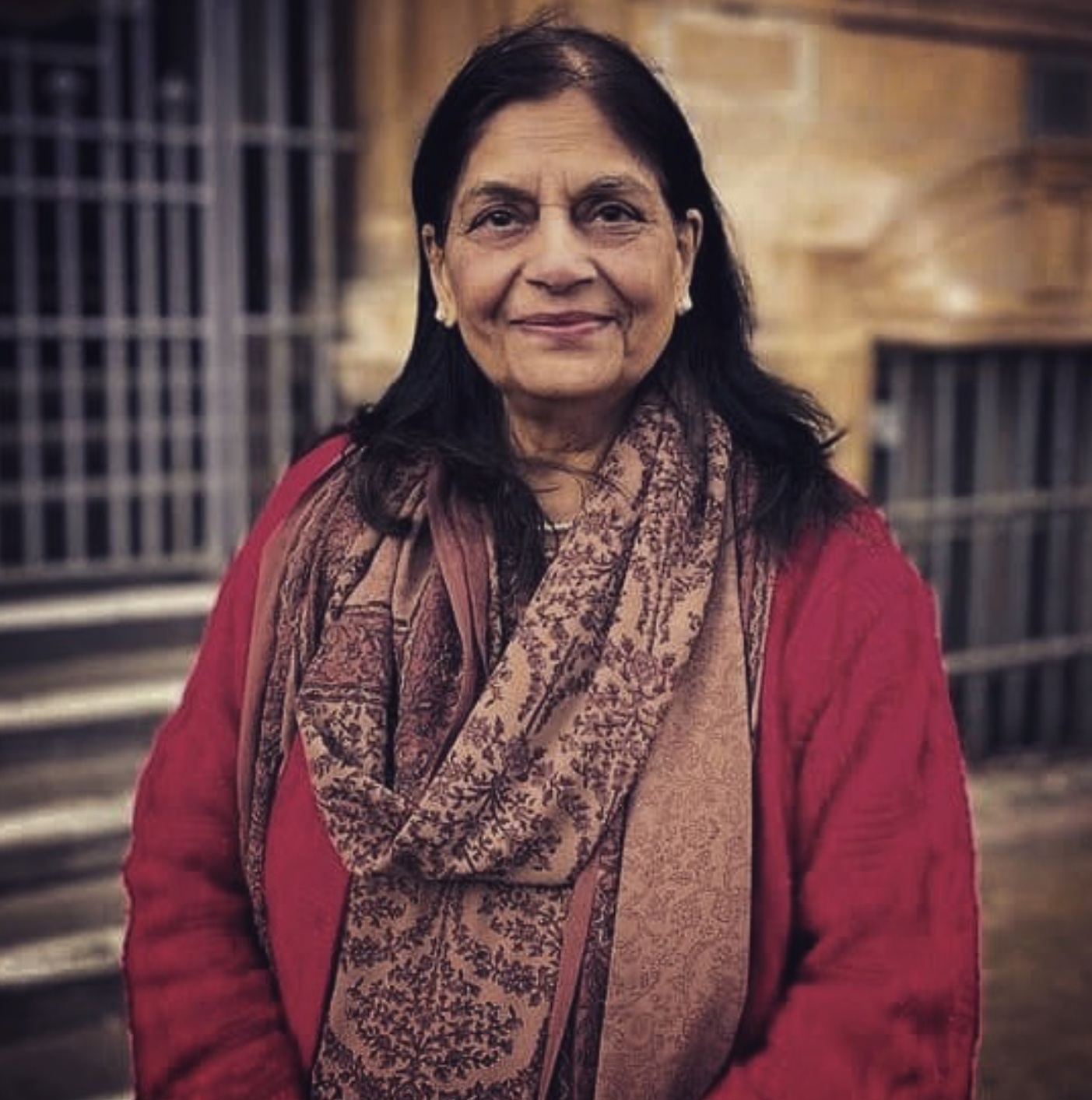
Manjula Sood – A civic first
In 2008, Manjula Sood became the first Asian female Lord Mayor in the UK when she took office in Leicester.
Her journey from immigrant to civic leader became a powerful symbol of how Britain’s changing communities were increasingly shaping local leadership.
Dame Bobbie Cheema-Grubb – A milestone in the judiciary
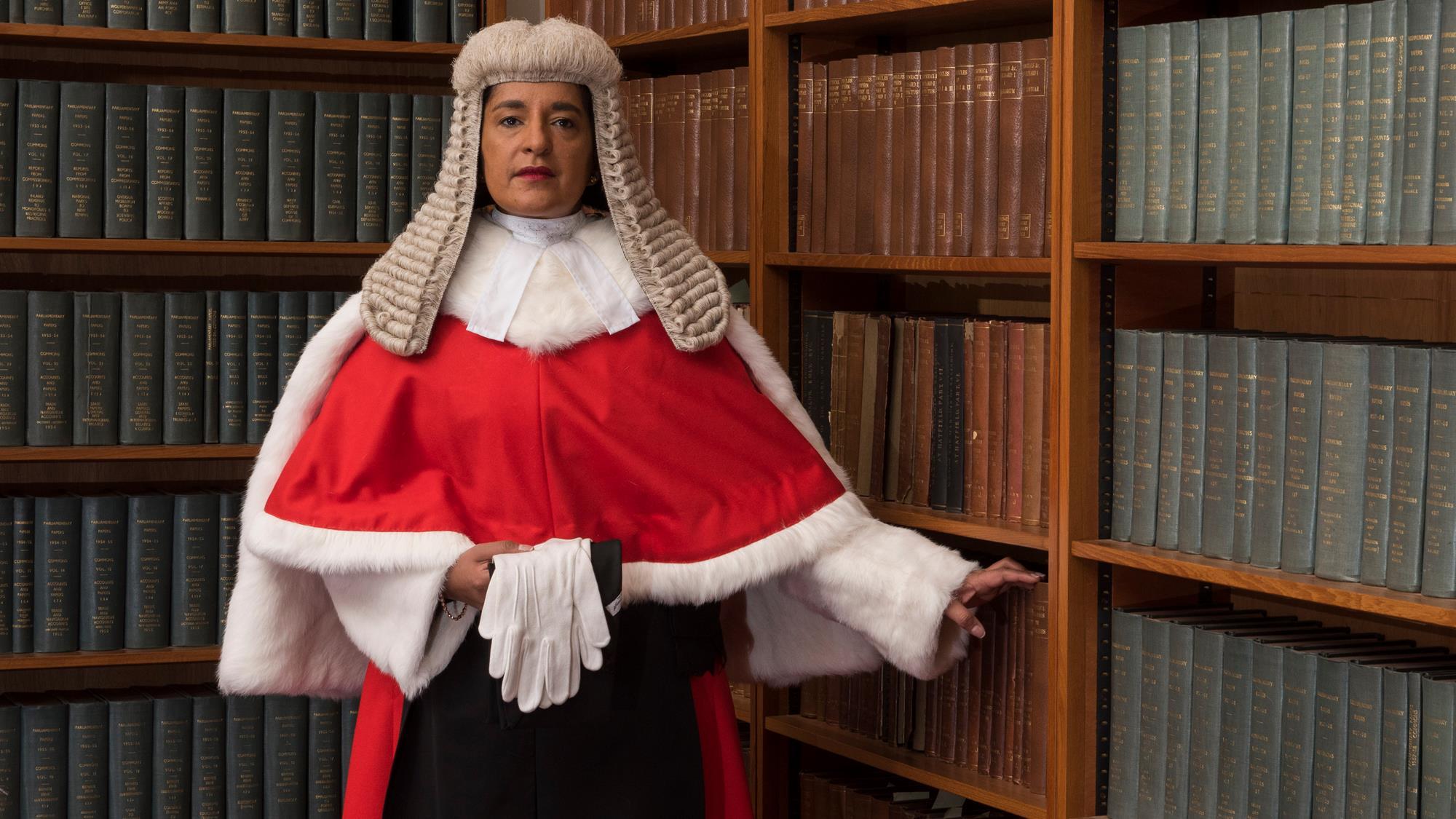
The legal profession saw a historic breakthrough in 2015, when Dame Bobbie Cheema-Grubb was appointed to the High Court.
Her appointment made her the first Asian woman to serve as a High Court judge in England and Wales, marking a major milestone in one of Britain’s most traditionally exclusive professions.
Professor Adeeba Malik – A historic royal appointment
Another landmark moment came with the appointment of Professor Adeeba Malik CBE as Lord-Lieutenant of
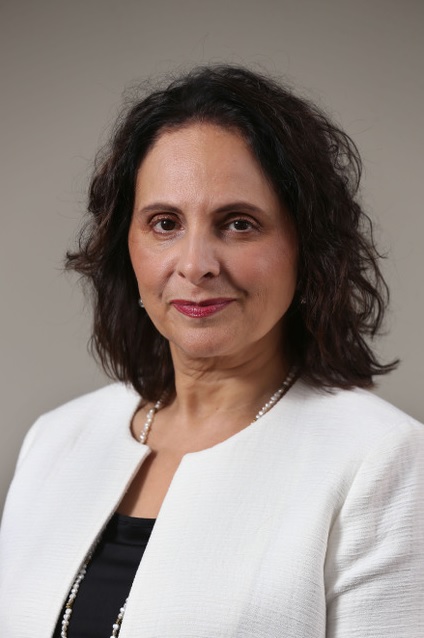
West Yorkshire.
As the monarch’s representative in the county, the role carries both ceremonial and civic importance. Malik became the first woman of Asian heritage to hold the position, reflecting the evolving face of leadership in modern Britain.
Dame Meera Syal – A cultural icon honoured
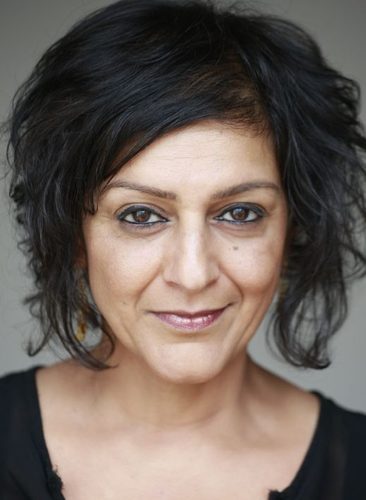
Few artists have shaped British Asian storytelling like Dame Meera Syal.
Awarded a damehood in the 2026 New Year Honours, Syal was recognised for her services to literature, drama and charity. Through landmark work including Goodness Gracious Me and Anita and Me, she helped bring British Asian experiences into the cultural mainstream.
Sheila Chandra – A music pioneer
In the early 1980s, Sheila Chandra helped bring South Asian sounds into mainstream British pop.

Her appearance on Top of the Pops with the band Monsoon’s hit Ever So Lonely marked a major moment for
British Asian representation in music, paving the way for future artists to embrace their heritage while reaching wider audiences.
Isa Guha – Breaking new ground in sport
In 2002, cricketer Isa Guha became the first woman of South Asian heritage to represent England in international sport.
Guha later helped England secure victory in the 2009 Women’s Cricket World Cup and has since become one of the most respected voices in sports broadcasting.
Preet Chandi – Redefining exploration
Few modern achievements capture the spirit of endurance like those of Harpreet Kaur “Preet” Chandi MBE.
The British Army officer and physiotherapist made global headlines in January 2022 when she completed a solo expedition to the South Pole, becoming the first woman of colour to achieve the feat.
A year later, she completed the longest ever solo and unsupported polar expedition, cementing her place as one of Britain’s most remarkable explorers.
Leena Nair – Leading one of the world’s most iconic brands
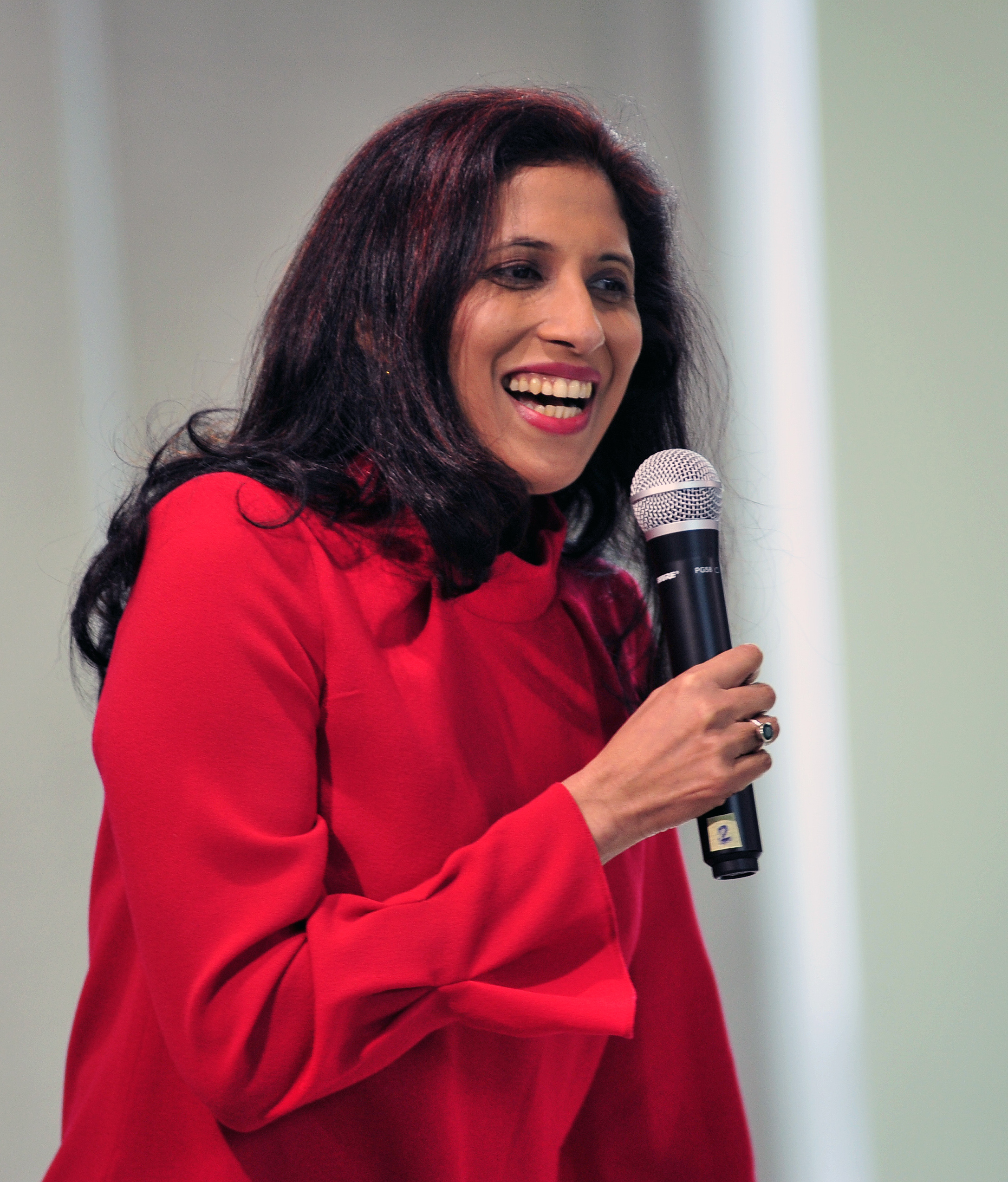
In the global business arena, Leena Nair made headlines when she was appointed Global CEO of luxury fashion house Chanel.
The former Unilever executive became the first Asian woman to lead the iconic brand, bringing a leadership style centred on inclusivity and purpose to one of the world’s most recognisable companies.
Bushra Nasir – Transforming education leadership
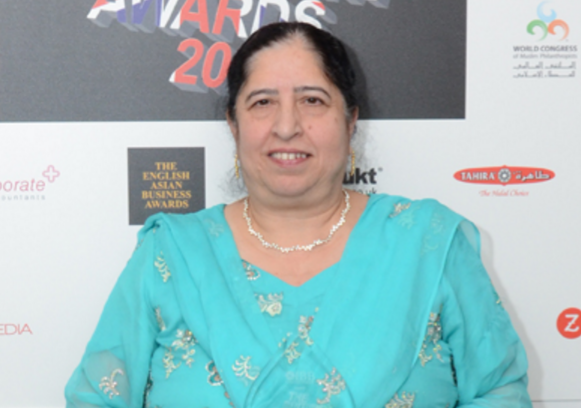
Education has also seen its share of trailblazers.
Bushra Nasir CBE became one of the UK’s first and most prominent Muslim female headteachers in Britain, leading Plashet School in east London to national recognition for academic success.
Her leadership helped challenge perceptions around women, faith and education leadership.
A legacy that continues
These pioneers represent only part of the story.
Across medicine, science, broadcasting, literature and civil society, other influential British Asian women have also helped reshape modern Britain. Figures such as Dame Parveen Kumar, a globally respected medical educator; Professor Usha Goswami, whose research has transformed understanding of how children learn; Mishal Husain, one of Britain’s most recognised broadcast journalists; Baroness Shami Chakrabarti, a leading voice on human rights; and acclaimed writers including Kamila Shamsie and Nikita Lalwani, have all played significant roles in expanding representation and influence.
Entrepreneur and campaigner Pinky Lilani CBE, founder of the Asian Women of Achievement Awards, has also spent decades championing the success of women across industries, ensuring their stories are recognised and celebrated.
Together, these women demonstrate the true meaning of International Women’s Day’s “Give to Gain” theme.
By breaking barriers, sharing knowledge and opening doors for others, they have ensured that progress does not stop with them. Instead, it continues to ripple through communities across Britain, inspiring the next generation of women to step forward and shape the future.


