


The Mayor of London has been criticised for not doing enough to use his “convening powers” to connect Londoners with job opportunities and help address skills shortages across the capital.
“Convening powers” refer to the ability to bring together businesses, local authorities and organisations to coordinate solutions to shared challenges.
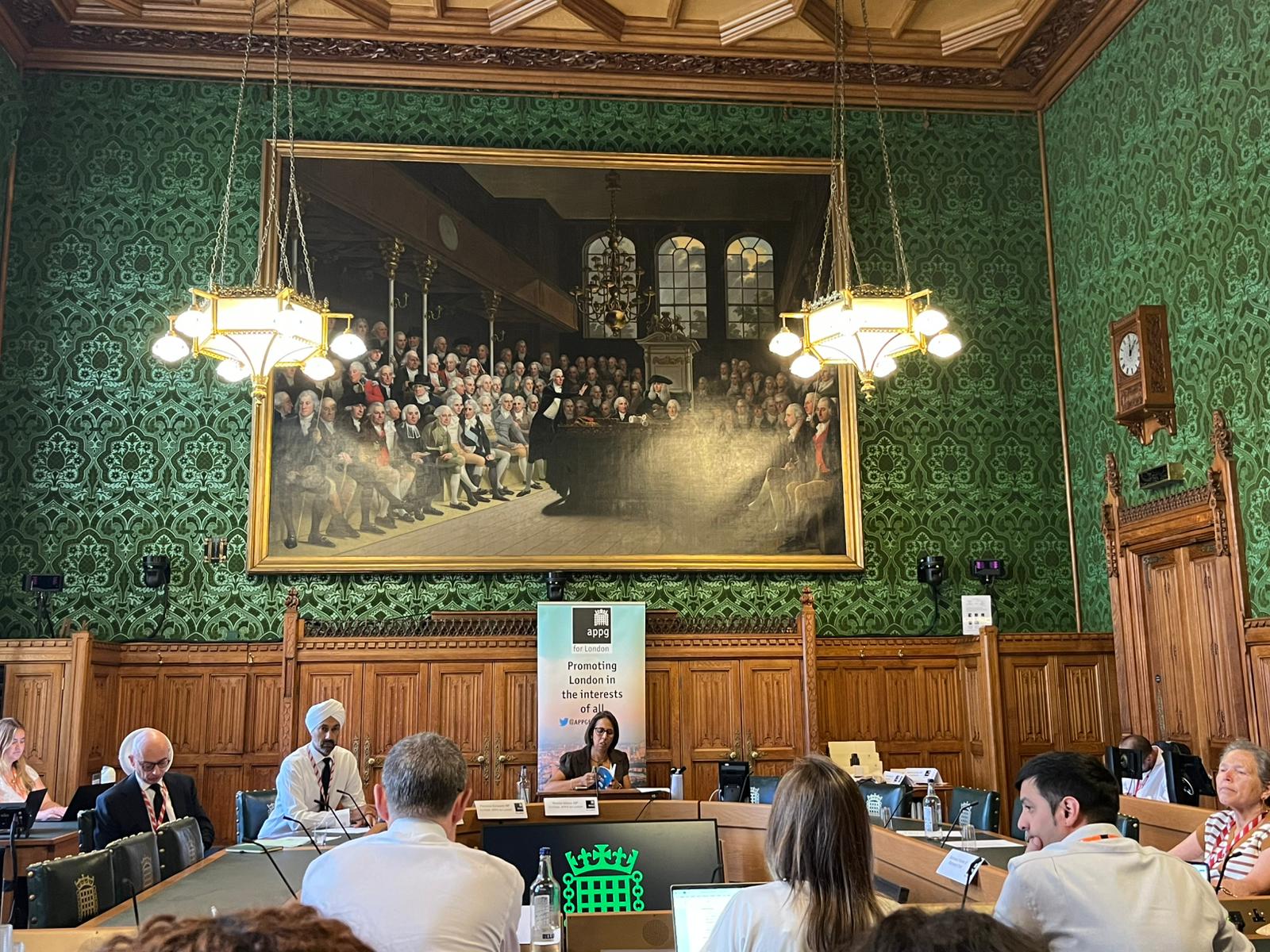
The criticism was raised during an inquiry by the All-Party Parliamentary Group (APPG) for London, which is examining ways to improve productivity in the city.
While London continues to outperform much of the UK in economic terms, experts told the inquiry that productivity growth has stalled since the 2008 financial crisis. This has raised growing concerns over skills shortages and youth unemployment.
Lord Ranger, who worked in City Hall under former London Mayor Boris Johnson, said London was failing to effectively connect people with employment opportunities despite being one of the world’s leading economic centres. He said opportunities and talent were often found side by side in the capital but were not being linked together effectively.
Lord Ranger suggested previous mayors had been more successful in using their influence to bring organisations together and drive change, adding that leadership was not only about gaining additional powers from Government but also about making the most of existing ones.
Similar concerns were raised by Matthew Fell, Director of Competitiveness at BusinessLDN, who described London’s situation as a “skills paradox”. He said: “London’s superpower lies in the agglomeration of different sectors – but there is a skills paradox, where London ranks high for human capital but there are still skills gaps and mass youth unemployment, with an underinvestment in training.”
Mr Fell argued that while calls for greater devolution remain important, more could be achieved using powers that already exist. He added: “Investors say that in other parts of England, mayors use their convening powers to play an active role in aligning stakeholders and setting the groundwork for investment.”
According to Mr Fell, better coordination between employers, training providers and local authorities could help ensure opportunities are more effectively matched with available talent across the capital.
Meanwhile, Majeed Neky of the West London Alliance said London’s governance structure differs from combined authorities elsewhere in England, making it more difficult for City Hall to work directly with borough councils in the same way as other metro mayors.
The discussion comes as London leaders continue to push for greater devolution while also facing growing pressure to address skills shortages, productivity challenges and economic inequalities across the capital.
Liberal Democrat MP Munira Wilson, who co-chairs the APPG, said there was a need for stronger investment in London and greater recognition of the city’s role in driving national economic growth.
The inquiry is expected to continue examining how London can improve productivity and ensure that opportunities are more effectively connected with the people who need them.


